
Atractotomus magnicornis
Atractotomus magnicornis
Description
How to identify
Atractotomus magnicornis is a species of plant bug belonging to the family Miridae within the order Hemiptera. This small insect is specialized in feeding on various conifer species, particularly spruce and fir trees.
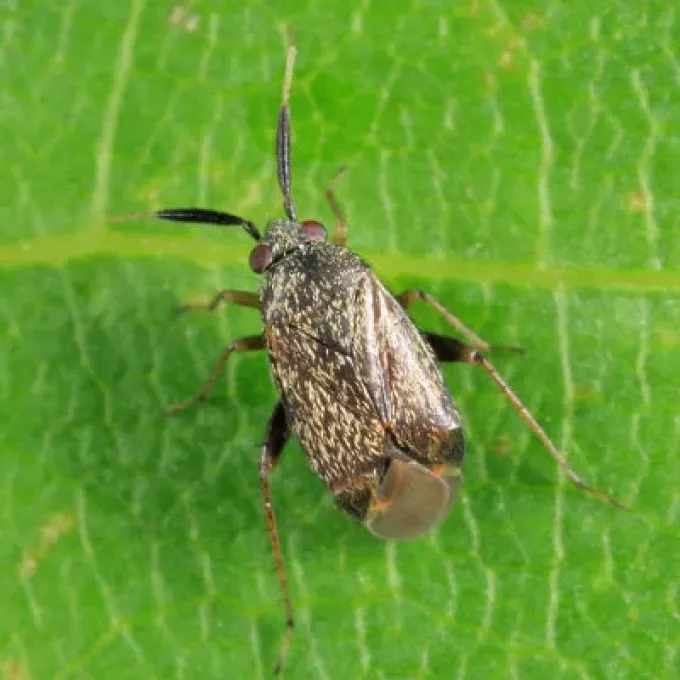
The adult bug typically measures about 3 to 4 millimeters in length. Its most distinctive characteristic is the presence of noticeably thickened basal segments on the antennae, which serves as a primary key for identification.
The body color is generally dark, ranging from brown to black, which helps the insect blend into the bark and needles of its host plant. The body is covered with tiny scales, providing camouflage against predators.
Nymphs undergo several developmental stages, growing in size while maintaining a similar general appearance to adults. They are highly active and possess a piercing-sucking mouthpart designed for sap feeding.
This species is secretive and often remains high in the tree canopy. Due to their small size and cryptic coloration, they are frequently overlooked during initial visual inspections of affected trees.
What it damages
The primary hosts of Atractotomus magnicornis include Norway spruce (Picea abies) and several species of fir and pine. The bug preferentially feeds on young, tender growth, such as new needles and developing buds.
Feeding involves puncturing plant tissue and extracting cell sap. As the bug feeds, it injects enzymes into the plant, which can disrupt the vascular system and metabolism of the affected needle or twig.
Visible damage includes the formation of small yellowish or chlorotic spots at the site of the puncture. Prolonged feeding can lead to needle deformation, browning, and premature needle drop.
When infestation levels are high, the growth of the host tree is significantly hampered. Young trees and nursery stock are particularly susceptible, as their small size makes them unable to compensate for the lost nutrients.
Stressed trees are also at higher risk of secondary infections and attacks from bark beetles. In extreme cases, the cumulative damage can lead to the death of tree tops, especially in hot and dry climates.
When it appears
The life cycle begins in early spring when the eggs, which have overwintered in the plant tissues, hatch. This timing is closely synchronized with the bud burst of the host trees.
The nymphs are most active during the late spring and early summer months. This period is critical, as they consume large amounts of sap to fuel their development into adult insects.
Adults typically emerge by mid-summer and remain active for several weeks. During this time, they mate and lay eggs on the shoots or needles of the host plant, preparing for the next generation.
The species has a univoltine life cycle, meaning it produces only one generation per year. Despite this, a single generation is often enough to cause significant aesthetic and physiological damage if the population density is high.
The overwintering stage is the egg, which is laid deep within the bark or at the base of the needles. This location protects the eggs from winter frosts and desiccation until spring arrives.
Signs of infestation
The most common sign of infestation is the presence of small, pale dots on the needles. These dots are the physical marks left by the bug's mouthparts as it feeds on the internal tissues.
Young shoots may show signs of curling or stunted growth after being attacked. This reaction is a stress response by the tree to the interruption of normal growth patterns.
Monitoring is best performed using the branch-beating method, where branches are gently shaken over a white sheet. This often reveals the presence of nymphs or adults that would otherwise remain hidden.
Small black fecal spots near the base of the needles are another indicator. These deposits often coincide with localized yellowing, which highlights the areas where the bugs have been feeding.
In nursery settings, reduced vigor and a lack of proper shoot elongation are strong indicators that a pest infestation, such as Atractotomus magnicornis, is affecting the young conifer population.
Control measures
Management of Atractotomus magnicornis relies heavily on the use of contact or systemic insecticides. Applications should be timed to coincide with the period when nymphs are most active.
Preventive measures include maintaining the overall health of the trees, as well-watered and well-fertilized trees are better able to recover from minor feeding damage.
- Using biological control agents such as predatory spiders and beneficial insects.
- Regular inspection and monitoring during the spring and early summer.
- Pruning and removing severely infested shoots to reduce local population density.
- Applying insecticidal soaps or oils for small-scale infestations.
- Using pheromone-based monitoring to track population peaks for precision timing.
It is essential to follow local regulations regarding pesticide use. Whenever possible, choose products that have a low impact on non-target species and beneficial pollinators.
Integrated Pest Management (IPM) strategies offer the most sustainable results. By combining cultural practices with targeted insecticide applications, foresters and gardeners can keep populations below economic injury levels.
Taxonomy
- Latin name
- Atractotomus magnicornis
- Order
- Hemiptera (bugs, aphids, leafhoppers)
- Family
- Miridae
- EPPO code
- ATRAMC
Discussion
No discussions yet — be the first.