
Atractotomus
Atractotomus
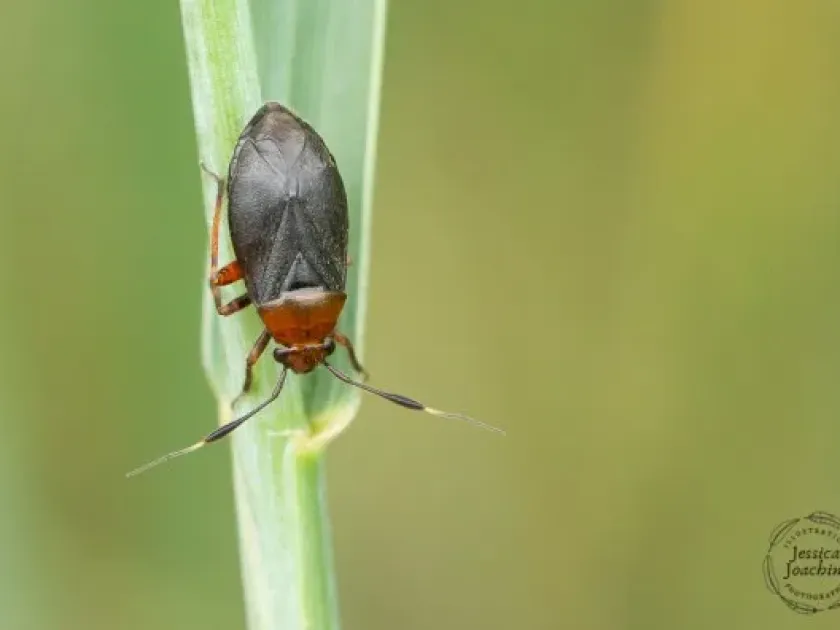
Description
How to identify
Atractotomus is a genus of plant bugs belonging to the family Miridae. These small insects are often overlooked in the garden due to their cryptic coloration and nocturnal or shy behavior.
Adult insects typically measure between 3 and 5 mm in length. Their coloration ranges from dark brown to black, which provides effective camouflage against the bark of host trees.
A distinctive feature of this genus is the presence of specialized hairs or scales on the body, which can appear silvery or golden under magnification. These structures are crucial for morphological identification.
The nymphs are smaller versions of the adults but lack wings. They go through several instars before reaching adulthood, consistently staying on the host plants to feed.
Because many Mirid species share similar characteristics, positive identification often requires professional entomological assessment or the use of specific taxonomic keys based on antenna structures.
What it damages
The primary hosts for Atractotomus, especially Atractotomus mali, are fruit trees such as apples and pears. They are significant pests in intensive orchard production.
The bugs cause damage by feeding on the sap of developing buds, leaves, and young fruits. This feeding habit disrupts the normal development of the plant organs.
Damaged buds often fail to open or produce malformed flowers. This directly reduces the fruit-bearing potential of the tree, leading to significant yield losses in severe infestations.
Feeding on young fruit results in cosmetic damage, such as pitting or scarring on the fruit surface. These scars remain as the fruit grows, negatively impacting commercial quality.
Furthermore, the physical wounds caused by the bugs' mouthparts act as entry points for secondary pathogens, potentially leading to fungal infections in the affected tissues.
When it appears
The life cycle begins with overwintering eggs laid within the bark of twigs. Hatching usually coincides with the critical phenological stages of the host tree in early spring.
The peak nymphal activity occurs during the green cluster and pink bud stages of apple trees. This is when the bugs are most destructive to the developing reproductive structures.
Adults emerge toward the end of the flowering period. They remain active, feeding on foliage and small fruits throughout the early summer months before entering a period of decline.
There is typically one generation per year. After mating, the females deposit their eggs into the bark crevices to ensure the survival of the next generation through the winter.
By mid-summer, adult numbers drop significantly, which is why orchard management programs must prioritize early-season intervention to mitigate the primary damage.
Signs of infestation
One of the earliest signs of an infestation is the appearance of tiny, light-colored stippling or spots on the leaves, caused by the bugs inserting their mouthparts into the plant cells.
Leaves that develop from damaged buds are often curled or show visible distortion. These morphological changes are clear indicators of early-season feeding pressure.
If a tree shows an unusually high rate of flower drop or bud desiccation, it may be a sign of Atractotomus presence, especially if accompanied by feeding marks.
Young fruits may display corky areas or small depressions. These blemishes appear as the fruit expands and the damaged cells fail to grow at the same rate as the surrounding tissue.
Careful inspection of the foliage, particularly near the undersides of leaves and within flower clusters during the morning hours, often reveals the presence of the bugs.
Control measures
Successful management relies on timely insecticide application, targeting the nymphal stages before they cause significant damage to the floral structures.
- Implement monitoring programs using beating trays or sticky traps to determine pest density.
- Encourage natural predators, such as Anthocorid bugs (minute pirate bugs), which act as biological control agents.
- Perform winter pruning to remove heavily infested wood, which can reduce the overwintering population.
- Use selective, environmentally friendly insecticides during the sensitive bud-burst stage to preserve beneficial insect populations.
Effective control requires a deep understanding of the orchard's phenology, as timing the application to coincide with egg hatch is essential for preventing economic damage.
Taxonomy
- Latin name
- Atractotomus
- Order
- Hemiptera (bugs, aphids, leafhoppers)
- Family
- Miridae
- EPPO code
- ATRASP
Discussion
No discussions yet — be the first.