
Asaphidion
Asaphidion
Description
How to identify
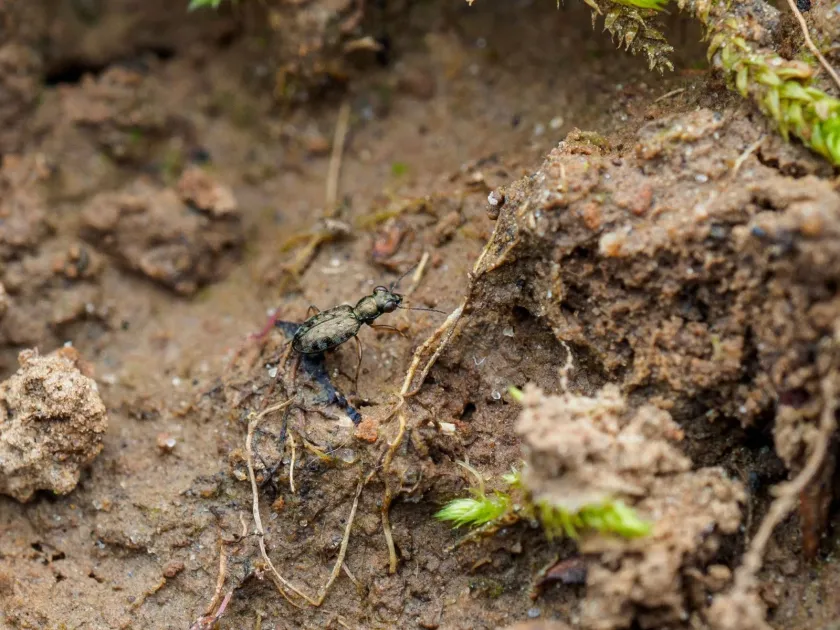
Asaphidion is a genus of small ground beetles (Carabidae family, order Coleoptera). These beetles typically measure 4–6 mm in length and are distinguished by their metallic sheen and prominent, bulging eyes, which make them easily identifiable compared to other soil organisms.
The body of the adult is oval and slightly flattened. The coloration is usually bronze, greenish, or copper-red, with the elytra surface covered in dense punctation and fine, short hairs.
The larvae of these ground beetles live hidden in the upper soil layers or under plant debris. They possess an elongated, well-sclerotized body of a yellowish-white color with distinct, powerful chewing mouthparts.
In the field, adults can be recognized by their characteristic erratic movement. They move in quick, jerky dashes, frequently stopping to assess their environment, which is typical for these active predatory and phytophagous insects.
For accurate identification at the species level in laboratory conditions, agronomists utilize microscopy of the genitalia and the shape of the pronotum, as the genus includes several morphologically similar species.
What it damages
While many ground beetles are considered beneficial entomophages, certain species within the Asaphidion genus can damage agricultural crops during their early growth stages.
Significant damage is often reported in cereal crops, sugar beets, and various vegetable crops when population levels spike during the spring season.
The pests feed on cotyledons, tender stems of young plants, and the root collar, leading to reduced crop density and, in severe cases, the need for field reseeding.
Damage caused by these beetles is frequently exacerbated by secondary infections, as the compromised plant tissues serve as entry points for various pathogenic fungi and bacteria.
- Damage to cereal seedlings.
- Feeding on the edges of beet cotyledons.
- Injury to the root collar of vegetable crops.
When it appears
The life cycle of Asaphidion is closely linked to soil temperatures. Adult activity begins in early spring, immediately after the snow melts and the topsoil layer warms up.
The peak population density usually coincides with the germination period and seedling emergence, when the plants are most vulnerable to mechanical damage.
During the summer, the activity of the beetles decreases as they migrate deeper into the soil or seek shaded areas to avoid overheating and moisture deficit.
Adults primarily overwinter in the soil or under plant litter, which provides them with high survival rates even during harsh winter conditions.
The generation is typically annual, although under favorable climatic conditions and abundant food availability, partial overlaps in developmental stages may occur.
Signs of infestation
The primary sign of an Asaphidion infestation is the presence of small, irregular "notches" or holes along the edges of cotyledons or on the stems of young seedlings.
During morning or evening hours, a visual inspection of the soil surface near damaged plants often reveals the active, metallic-sheened beetles moving quickly across the ground.
The presence of large numbers of these beetles is often correlated with significant amounts of undecomposed plant residue on the field surface, which acts as their refuge.
Large-scale infestation manifests as patches in the field where seedlings are either dead or severely stunted, becoming noticeable just days after emergence.
Recognizing these specific damage patterns combined with visible beetle activity on the soil surface helps agronomists distinguish Asaphidion from other soil pests like wireworms or mole crickets.
Control measures
The primary control measure is the implementation of proper crop rotation and thorough incorporation of plant residues into the soil, as these serve as key habitats and food sources for the pest.
The use of insecticidal seed treatments is highly effective in protecting plants during the most critical period, which is the germination and seedling emergence phase.
Mechanical tillage, such as disking or plowing, helps disrupt their overwintering sites and reduces the overall population density within the field.
In cases of high pest pressure on young seedlings, the application of foliar or soil-applied insecticides with contact-stomach action, registered for the specific crop, may be necessary.
Maintaining optimal growing conditions and utilizing starter fertilizers is essential to help crops get off to a quick start, as rapid development through the seedling phase reduces the window of vulnerability and minimizes economic losses.
Taxonomy
- Latin name
- Asaphidion
- Order
- Coleoptera (beetles)
- Family
- Carabidae
- EPPO code
- ASPNSP
Discussion
No discussions yet — be the first.