
Aphrastasia pectinatae
Aphrastasia pectinatae
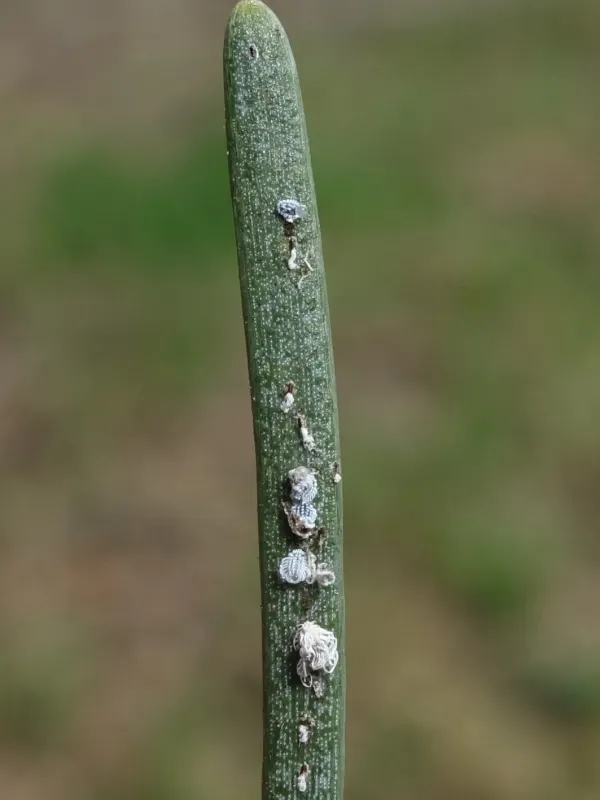
Description
How to identify
Aphrastasia pectinatae is a specialized insect species belonging to the order Lepidoptera, specifically within the group of moth-like insects. The adult moth is characterized by its unique wing structure, where the wing margins display a comb-like or pectinate pattern, which is the defining feature of this species.
The larvae of this pest undergo several developmental stages (instars). During these stages, the appearance of the caterpillar transitions from a light beige to a distinctive greenish hue, allowing it to blend into the foliage of host plants. The body is covered in fine setae for better adhesion.
The biological cycle of this species is closely synchronized with regional climatic conditions, progressing through the stages of egg, larva, pupa, and imago. The adult moths are primarily nocturnal, which often results in their presence being overlooked until significant damage is already visible.
Egg-laying usually occurs on the undersides of leaves or within plant axils, providing natural protection for the offspring against sunlight and potential predators. High female fecundity enables the population to expand rapidly when favorable environmental conditions persist.
The overwintering stage typically occurs as a pupa, protected within a dense cocoon located in the upper layer of the soil or tucked away in plant debris. With the arrival of stable spring temperatures, the moths emerge to begin a new generation cycle.
What it damages
The primary diet of this pest consists of specific families of wild and cultivated plants. The foliage is the most frequent target, leading to a marked decrease in photosynthetic capacity and overall physiological stress for the host plant.
Damage symptoms primarily involve skeletonization of the leaves, where larvae consume the leaf tissue, leaving behind only the vascular structure (veins). In cases of high infestation, total defoliation of shoots can occur, which is detrimental to young seedlings.
Damage also extends to reproductive organs if the larvae feed on buds or fruit sets. This causes direct yield losses and significant drops in the market quality of the harvest, which is critical in large-scale commercial farming.
Injured plant tissues serve as entry points for secondary infections, such as fungal and bacterial pathogens. Therefore, the damage caused by Aphrastasia pectinatae is multifaceted, combining direct consumption with increased susceptibility to plant diseases.
The pest is particularly dangerous during the peak growing season, as damage to terminal buds can cause stunted growth or distorted branching, negatively affecting the plant's structural development.
Control measures
Management of Aphrastasia pectinatae requires an integrated approach that combines agrotechnical, biological, and chemical control methods. The foundation of any successful protection strategy is consistent monitoring of population levels.
Preventive measures include deep autumn plowing to disturb overwintering pupae and destroy their habitat. Crop rotation and the systematic elimination of weeds, which act as alternative hosts for the larvae, are essential for reducing infestation risks.
Once the economic threshold of damage is reached, insecticides with contact or systemic action may be employed, provided they are registered for the specific crop. Applications are most effective during the evening hours when larvae are most active.
Biological control using formulations based on Bacillus thuringiensis is a sustainable and effective strategy that minimizes impact on beneficial entomophages. These treatments perform best when applied early in the larval development cycle.
- Conduct regular crop inspections from May through July.
- Deploy pheromone traps to monitor adult flight activity.
- Encourage the presence of natural enemies such as parasitic wasps and predatory bugs.
- Immediately remove and destroy highly infested plant material.
Taxonomy
- Latin name
- Aphrastasia pectinatae
- Order
- Hemiptera (bugs, aphids, leafhoppers)
- Family
- Adelgidae
- EPPO code
- APRAPE
Discussion
No discussions yet — be the first.