
Aphidecta
Aphidecta
Description
How to identify
Aphidecta (Aphidecta obliterata) is a species of ladybird beetle (family Coccinellidae) that plays a beneficial role in forest and garden ecosystems.
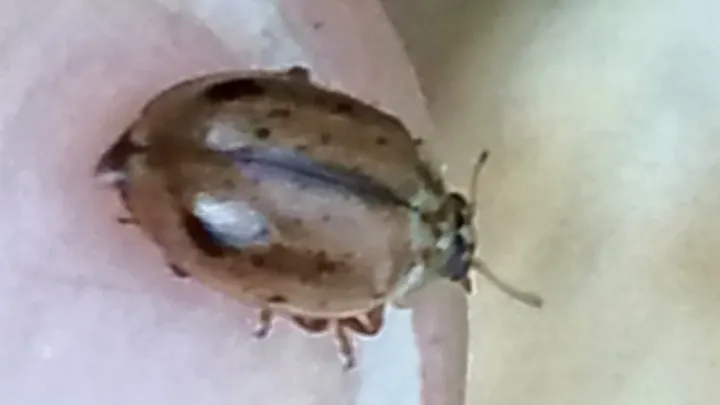
Adult beetles are relatively small and characterized by a brownish-yellow or ochre coloration, which allows them to blend in seamlessly with the bark of coniferous trees.
As members of the order Coleoptera, these insects are predatory throughout most of their life cycle. They are highly efficient hunters of aphids, which makes them valuable allies for foresters and gardeners.
The larvae are elongated and have a dark appearance with distinct protrusions. They are highly mobile and constantly patrol the needles and branches of trees in search of prey.
It is important to correctly identify this species to avoid confusing it with harmful pests, as it does not feed on plant tissues and is completely harmless to vegetation.
What it damages
Aphidecta does not cause damage to plants. It is a strictly predatory species that feeds on various aphid species, primarily those affecting conifers like spruce and pine.
By consuming aphids, the beetle prevents the heavy infestations that often lead to stunted growth, needle yellowing, and the spread of viral diseases in coniferous trees.
There is no economic damage associated with this insect. On the contrary, its presence is a sign of a healthy ecosystem capable of regulating its own pest populations.
In silviculture, Aphidecta is considered a natural regulator that helps maintain the balance of aphid populations without the need for synthetic chemical intervention.
The insect is essentially an ecological service provider, reducing the workload for human-managed pest control programs by keeping aphid numbers in check.
When it appears
The activity of Aphidecta typically begins in early spring, synchronized with the emergence of the first aphid generations on host trees.
The summer months represent the peak of their activity, during which larvae and adults actively feed and complete their developmental cycles to maximize impact on prey.
Overwintering occurs at the adult stage. The beetles seek shelter in deep bark crevices, under forest litter, or within piles of needles to survive low temperatures.
The species life cycle is closely tied to the host tree and prey abundance. If aphids remain present into the late summer, the beetle activity continues accordingly.
As autumn transitions into winter, the metabolic rate of the beetles drops, and they enter a state of dormancy to prepare for the cold season ahead.
Control measures
No control measures should be taken against Aphidecta. Instead, horticultural practices should focus on conservation and supporting its natural population.
The most critical step in protecting this beneficial insect is to minimize the use of broad-spectrum insecticides that can wipe out non-target predators along with the target pests.
If chemical control of aphids becomes necessary, it is advised to use systemic or selective products that minimize impact on ladybird populations.
Maintaining a diverse environment with some woody debris or undisturbed soil near trees helps provide the necessary habitat for overwintering adults.
- Prioritize biological control over chemical applications.
- Avoid broad-spectrum pesticide usage during peak activity times.
- Ensure natural wintering sites (leaf litter, bark) are available.
- Monitor aphid levels to avoid unnecessary spraying.
Taxonomy
- Latin name
- Aphidecta
- Order
- Coleoptera (beetles)
- Family
- Coccinellidae
- EPPO code
- APHCSP
Discussion
No discussions yet — be the first.