
Anaphes
Anaphes
Description
How to identify
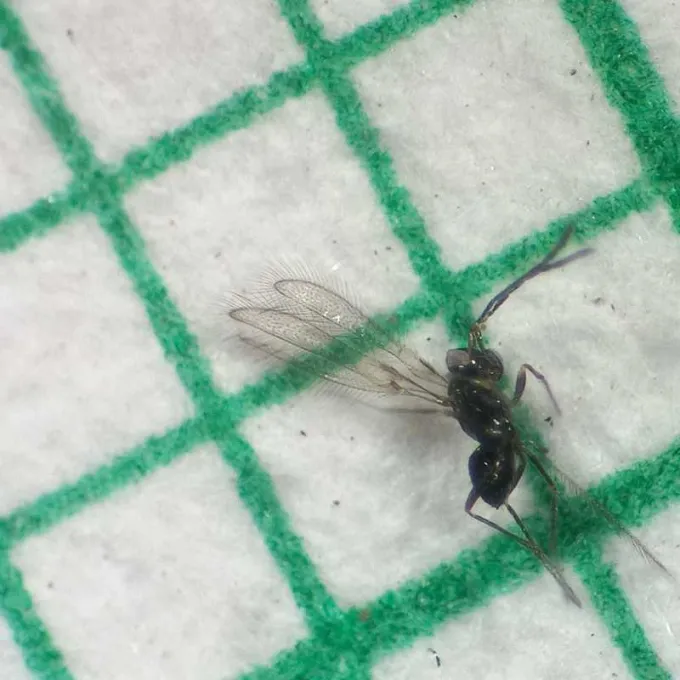
The genus Anaphes belongs to the family Mymaridae, also known as fairyflies, which are among the smallest insects in the world.
Adults typically measure less than 1 mm in length and are recognized by their characteristic narrow wings fringed with long, fine hairs.
Their body color is usually dark, ranging from metallic brown to black, allowing them to blend into the plant environment efficiently.
Identification at the species level requires specialized microscopic skills, as differences between species are often subtle and based on antennae structure.
Understanding these parasitoids is essential for researchers focusing on sustainable agricultural practices and the preservation of natural biodiversity.
What it damages
The genus Anaphes is not a pest; it is a highly specialized beneficial insect that plays a crucial role in regulating agricultural pest populations.
These wasps are egg parasitoids, meaning they lay their own eggs inside the eggs of various host species, including many notorious crop pests.
By developing within the host's eggs, the larvae of Anaphes consume the host, thereby preventing the pest from reaching the larval stage.
This natural process of parasitism provides a significant economic benefit by reducing the need for chemical intervention in crop fields.
The presence of these parasitoids is a positive indicator of a healthy and balanced agroecosystem capable of self-regulation.
When it appears
The seasonal activity of Anaphes is strictly aligned with the life cycle of its specific host insects throughout the growing season.
They emerge as adults during the peak oviposition period of pests, ensuring that they can locate fresh eggs for their reproductive cycle.
Several generations of Anaphes can occur within a single year, providing continuous control over pest populations as the season progresses.
Overwintering usually occurs in a dormant stage, often inside the host egg or within debris or soil, ensuring the population's survival.
Environmental variables such as temperature and humidity significantly influence their developmental rates and search efficiency.
Signs of infestation
The most reliable sign of Anaphes activity is the presence of discolored or darkened host eggs compared to healthy ones.
Under magnification, one can observe the tiny exit holes in the chorion (egg shell) where the adult wasp has emerged after pupation.
A reduced density of pests in a field despite an initial presence of adults often points to high rates of parasitism by these wasps.
Field scouting using yellow sticky traps or careful observation of host egg clusters helps monitor the presence of these beneficial insects.
Dissection of egg samples in a laboratory setting can provide exact percentages of parasitism, helping to quantify their impact on pest density.
Control measures
Conservation biological control is the primary strategy for maintaining Anaphes populations in agricultural settings.
Avoiding the indiscriminate use of broad-spectrum insecticides is critical, as these chemicals often harm beneficial parasitoids more than the target pests.
Providing flower strips or refugia with non-crop vegetation supports adult parasitoids by offering nectar and essential shelter.
Practicing conservative soil management techniques can protect overwintering populations and enhance the survival of future generations.
Integrated Pest Management (IPM) strategies should prioritize the protection of these natural allies to ensure long-term sustainability and yield stability.
Taxonomy
- Latin name
- Anaphes
- Order
- Hymenoptera
- Family
- Mymaridae
- EPPO code
- ANAHSP
Discussion
No discussions yet — be the first.