
Amblyomma tuberculatum
Amblyomma tuberculatum
Description
How to identify
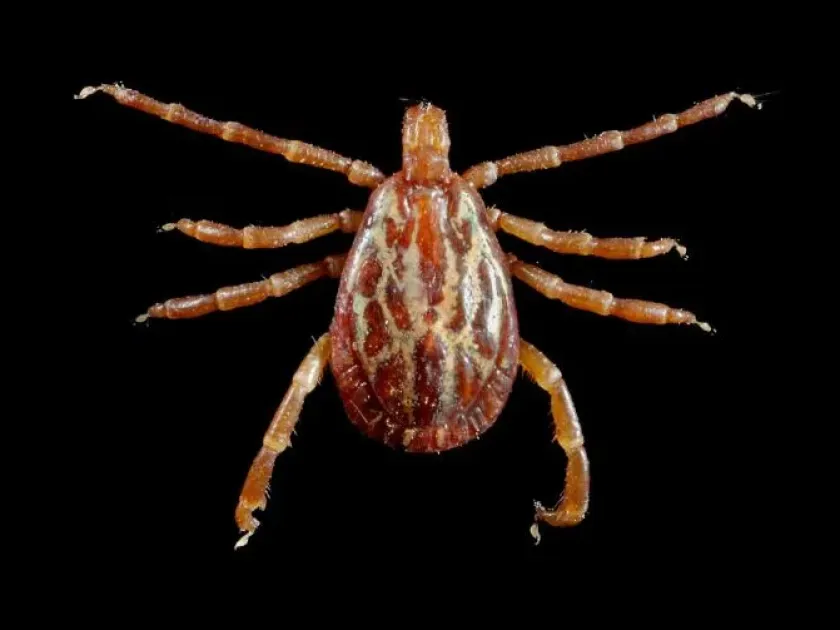
Amblyomma tuberculatum, commonly known as the gopher tortoise tick, is a species of hard tick within the family Ixodidae. Adults are distinguished by the presence of prominent tubercles on the scutum, which serves as a key identifying feature.
These ticks are robust, with a coloration that ranges from deep reddish-brown to dark brown. Like other members of the genus Amblyomma, they possess elongated mouthparts, specifically the hypostome, designed for firm attachment to their hosts.
The biology of this species is often associated with the habitats of its primary hosts, such as gopher tortoises, though they can also be found on livestock and other mammals in specific ecological niches. They require different hosts for various developmental stages.
The lifecycle includes the egg, larva, nymph, and adult stages. Each stage is characterized by specific morphological requirements and a need for blood-feeding to progress to the next phase of development or reproduction.
Due to their adaptation to sandy soils and dry, scrubby environments, these ticks exhibit high resilience. They can survive for long periods in the environment while waiting for a suitable host to pass by.
What it damages
The primary impact of Amblyomma tuberculatum is its role as an external parasite on livestock and wildlife. Infestation can lead to significant stress for the host animals, impacting their overall health and economic value in agricultural settings.
Persistent blood-feeding by large numbers of these ticks causes physical exhaustion and anemia in livestock. This results in reduced weight gains, poor milk production, and damaged hide quality due to the tick bites.
Beyond direct physical harm, these ticks are potential vectors for pathogens. Their feeding process creates wounds that serve as entry points for secondary bacterial or fungal infections, leading to inflammation and skin lesions.
Livestock owners face significant challenges in managing infested animals, as the irritation from ticks often leads to behavior changes, such as excessive rubbing and restlessness, which can cause secondary injuries.
The cumulative effect of these factors reduces the overall productivity of a farm. Effective management is essential to prevent losses and maintain high standards of animal welfare.
When it appears
The seasonal activity of Amblyomma tuberculatum is heavily influenced by temperature and humidity. Generally, adult activity peaks during the warmer months, as they emerge from the soil to climb onto vegetation.
Host-seeking behavior is triggered by environmental cues such as heat, vibration, and carbon dioxide exhaled by animals. These ticks are highly efficient at detecting potential hosts in their immediate vicinity.
Environmental factors like prolonged drought can cause activity levels to shift. However, they remain well-adapted to the sandy habitats where they reside, often staying deep within the litter or soil during extreme weather conditions.
The lifecycle length varies depending on host availability and climate, often spanning multiple years. Each stage waits for an appropriate host, making their presence unpredictable without consistent monitoring.
Grazing cycles on infected land should be managed based on these activity peaks. Understanding when ticks are most likely to be seeking hosts helps farmers implement timely interventions.
Signs of infestation
Signs of infestation include the physical presence of attached ticks on the animal. Commonly affected areas include the groin, axillae, under the tail, and around the ears, where skin is thin and blood flow is accessible.
Redness, swelling, and localized scabbing at the attachment sites are primary indications of tick feeding. If left untreated, these areas can develop into larger inflammatory spots or open sores.
Animal behavior often changes during heavy infestations. Restlessness, frequent scratching against fences or trees, and a general decline in appetite are common observations made by farm workers.
In addition, routine monitoring of pastures using cloth dragging techniques can reveal the density of questing ticks on vegetation, providing an early warning of potential infestation risks.
General poor condition of livestock, including dull coats and listlessness, should prompt an immediate veterinary examination for external parasites like Amblyomma tuberculatum.
Control measures
Management of Amblyomma tuberculatum involves a multi-pronged approach, focusing primarily on chemical control using acaricides. Regular treatment of livestock is necessary to keep parasite loads within manageable limits.
Acaricidal dips, sprays, and pour-on solutions are effective methods for killing attached ticks and providing residual protection. It is critical to rotate products to prevent the development of tick resistance.
Pasture management practices such as clearing brush and maintaining shorter grass help reduce the habitat suitability for tick populations. This forces ticks to reside in areas less likely to encounter grazing animals.
Strict quarantine protocols for incoming livestock are essential to prevent the introduction of ticks to new areas. Every animal must be inspected thoroughly before being allowed into the main herd.
- Use of topical acaricides and repellents.
- Implementation of pasture rotation schedules.
- Regular visual inspections of all animals.
- Collaboration with local veterinarians for diagnostic testing.
Taxonomy
- Latin name
- Amblyomma tuberculatum
- Family
- Ixodidae
- EPPO code
- AMBYTU
Discussion
No discussions yet — be the first.