
Skylark
Alauda arvensis
Description
How to identify
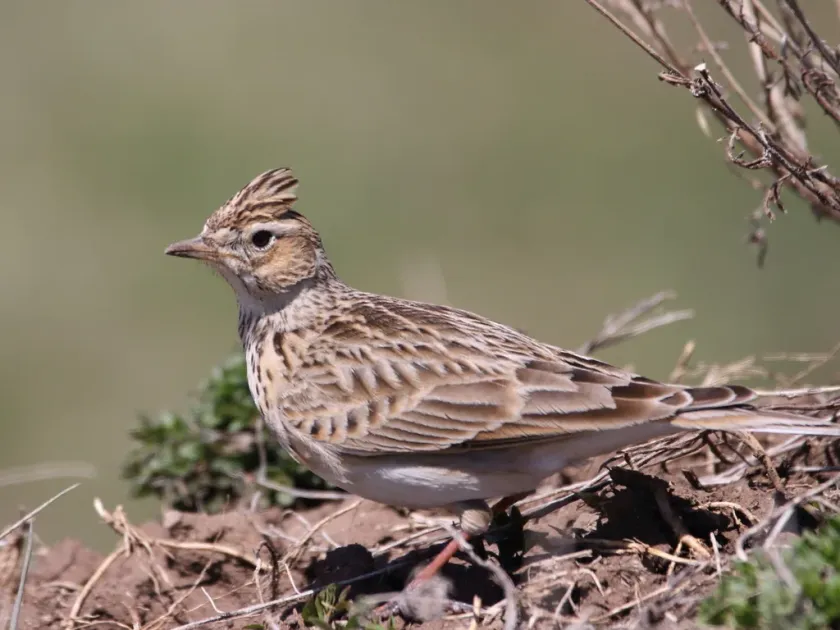
The Skylark (Alauda arvensis) is a member of the Alaudidae family, order Passeriformes. This small brown bird is famously known for its exceptional camouflage, allowing it to blend seamlessly into open field environments.
It is easily identified by its distinctive flight behavior; the skylark performs a high-altitude hovering flight while singing, which makes its presence known across large farming areas.
The biological nature of the species dictates that it nests exclusively on the ground in open habitats, making agricultural lands primary sites for their reproductive activities.
The life cycle involves early seasonal migration; they return to agricultural fields at the onset of spring, immediately selecting sites for nest construction before crops fully emerge.
Given that they can produce multiple broods per season, the density of these birds can rapidly increase, placing a sustained pressure on young crop stands throughout the spring.
What it damages
Skylarks primarily cause damage during the early growth stages of cereals, oilseeds, and vegetables, as they consume fresh shoots, leading to thinning of the crop stands.
They are known to target wheat, barley, sunflowers, and sugar beet, specifically feeding on the cotyledons and tender stems, which can severely stunt or kill young seedlings.
In addition to damaging green shoots, they can dig up and consume seeds if the sowing depth is insufficient, leading to poor crop establishment and reduced yield potential.
Physical damage occurs due to the birds nesting and moving within the field, which results in trampled plants and crushed seedlings around nest sites.
The level of damage is directly correlated with the proximity of the field to natural nesting habitats, as higher populations concentrate in these border areas.
Signs of infestation
Signs of infestation include patches of missing or destroyed seedlings where plants have been plucked from the soil, often leaving just root remnants behind.
Examination of the soil surface near damaged areas often reveals characteristic bird footprints with a long hind claw, distinct from other small field species.
The presence of bird droppings concentrated in specific zones is a strong indicator of high activity areas where the birds spend most of their feeding time.
Visually, the presence of localized stunted or bare spots in a field is a key indicator, especially if these spots follow the edge of the field or border areas.
High acoustic activity, characterized by frequent song flights above specific sections of the field, serves as an early warning for farmers to inspect those zones for potential damage.
Control measures
Proper sowing depth is the most effective agronomic prevention measure; ensuring seeds are buried deep enough prevents them from being easily retrieved by birds.
Deploying visual or bio-acoustic deterrents can significantly reduce bird activity during the vulnerable period when seedlings are most attractive to them.
Mechanical operations, such as light harrowing during the early vegetative stage, disrupt nesting patterns and discourage birds from settling in the treated fields.
Integrated management should include field monitoring to assess bird density, allowing for timely application of deterrent strategies before significant damage occurs.
Creating sacrificial crop strips or leaving non-critical field edges as alternate nesting spots may help divert bird pressure away from the main commercial crop stands.
Taxonomy
- Latin name
- Alauda arvensis
- Family
- Alaudidae
- EPPO code
- ALADAR
Discussion
No discussions yet — be the first.