
Agonum
Agonum
Description
How to identify
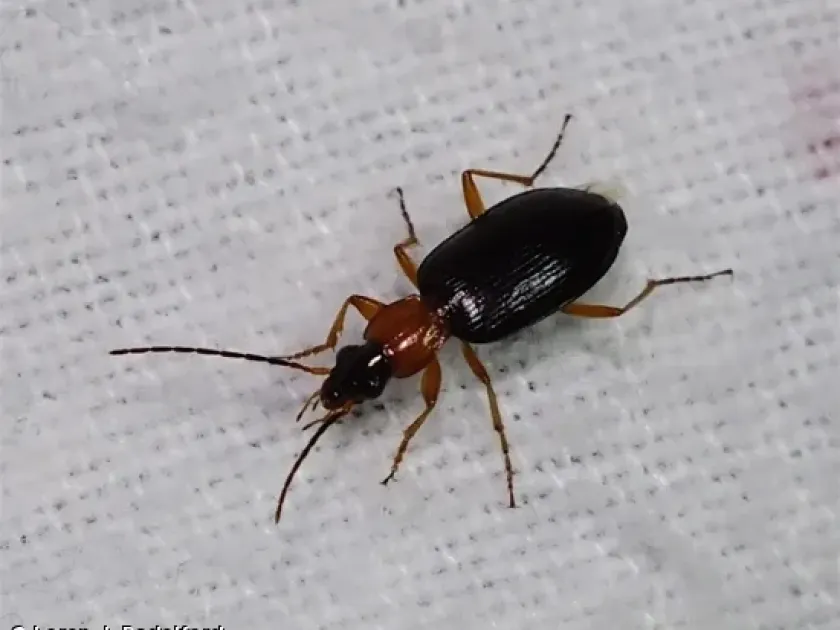
Agonum is a genus of ground beetles belonging to the family Carabidae. These beetles are generally medium-sized with a flattened body shape, which allows them to move efficiently through soil crevices and dense vegetation.
The coloration of these beetles is often dark, sometimes displaying metallic reflections on their pronotum and elytra. They possess long, slender legs and antennae, typical for active predatory insects within the Carabidae family.
Larvae of the genus have an elongated, slightly flattened appearance. They are rarely seen on the surface, as they spend the majority of their life cycle within the soil or deep inside moist debris.
The life cycle of Agonum species is closely linked to moisture levels. They are most commonly found in damp environments, such as fields near water bodies, low-lying areas, or soil with high organic matter content.
While many carabids are beneficial predators of other insects, some members of the genus Agonum can occasionally feed on plant tissues, causing economic damage if their population density becomes high in agricultural lands.
What it damages
The primary damage caused by Agonum is observed in cereal crops like wheat and barley, particularly during the germination stage and the development of early seedlings.
Beetles and their larvae can feed on sown seeds, hollowing them out completely. This prevents germination and leads to significant gaps in plant stands across the agricultural field.
In addition to seed consumption, they may attack the hypocotyl or the base of the young stem. This mechanical damage causes the plant to wilt and often results in the death of the seedling.
Fields with poorly drained soils or those experiencing excessive moisture are at the highest risk for infestations, as these conditions favor the survival and feeding activity of the pest.
The secondary effect of this pest is the vulnerability of damaged plants to various soil-borne fungal pathogens, which easily infect the tissues through the wounds created by the beetles.
When it appears
Agonum activity typically begins in early spring, as soon as the soil temperatures rise enough to allow the overwintered adults to emerge and become active in the topsoil layer.
The most intense feeding period coincides with the sowing season of spring crops, placing the most vulnerable stage of the plants at high risk of infestation.
During the summer, if the weather turns hot and dry, the activity levels of these beetles may drop significantly as they move deeper into the soil to escape the heat and desiccation.
A secondary peak in activity can occur in the autumn, particularly in regions with regular rainfall, as beetles prepare for the winter period and move towards overwintering sites.
The insect typically overwinters as an adult or a mature larva, hiding under surface debris, in field margins, or deep within the soil profile where it remains protected from freezing.
Signs of infestation
The most prominent sign of an Agonum infestation is the patchy emergence of crops, with missing seedlings or dead patches appearing shortly after the plants start to sprout.
Upon inspecting the soil in the affected areas, one can find the remnants of damaged seeds that have been gnawed or eaten, often with the beetles present in the immediate vicinity.
Young plants may show signs of wilting or may be found severed near the soil surface, which is a classic indicator of beetle feeding activity on the stem base.
Nighttime field inspections or the use of soil traps can help identify the presence of the pest, as these beetles are primarily active during the twilight hours or at night.
- Uneven crop stands and emergence patches
- Hollowed-out seeds within the seedbed
- Wilted young seedlings with severed stems
- Presence of beetles under soil clods or debris
- Increased damage observed in low-lying, damp areas
Control measures
Cultural control measures include proper soil preparation, such as plowing and harrowing, which disrupts the habitat of the larvae and reduces the beetle population before planting.
Seed treatment with systemic insecticides is the most effective way to protect seedlings during the crucial early development phase when they are most vulnerable to soil-dwelling pests.
Maintaining crop rotation prevents the buildup of Agonum populations by removing their preferred habitats and constant food sources, thus limiting their long-term impact on field crops.
Optimal planting dates should be chosen to ensure rapid plant growth, allowing seedlings to surpass the most sensitive developmental stage before the peak activity of the pest.
In severe infestations, the application of granular soil insecticides during sowing may be necessary to establish a protected zone around the seeds and young root systems.
Taxonomy
- Latin name
- Agonum
- Order
- Coleoptera (beetles)
- Family
- Carabidae
- EPPO code
- AGOUSP
Discussion
No discussions yet — be the first.