
Pohutukawa mealybug
Acanthococcus pohutukawa
Description
How to identify
The Pohutukawa mealybug (Acanthococcus pohutukawa) is a small insect belonging to the family Eriococcidae, order Hemiptera.
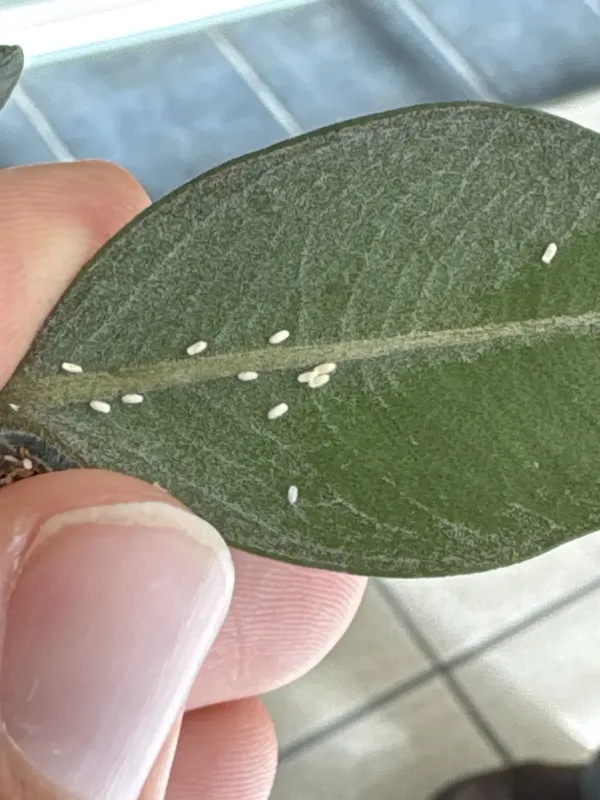
Adult females are recognized by the white, waxy ovisacs they produce, which protect their eggs from environmental stressors.
The first-instar nymphs, commonly referred to as crawlers, are the primary stage responsible for the spread of the population across the plant.
These insects are characterized by their small size and specific adaptation to feeding on the bark and branches of their host species.
Scientific identification is crucial for managing this pest, as it is often confused with other types of scale insects and mealybugs.
What it damages
The primary host plant is the Pohutukawa tree (Metrosideros excelsa), which is highly susceptible to this specific infestation.
The mealybugs feed on the phloem sap of the tree, which directly deprives the plant of essential nutrients and carbohydrates.
Feeding activity often results in stunted growth, chlorosis, and the general decline of the plant's overall health and vigor.
In cases of severe infestation, the cumulative effect of sap removal can lead to branch dieback and even tree mortality if not treated.
The damage is not just direct; the stress caused by the insects makes the plants more susceptible to secondary infections and environmental stress.
Signs of infestation
One of the most obvious signs is the appearance of white, cotton-like masses on the bark, which indicate the presence of egg-laying females.
Sticky honeydew secretions cover the branches, promoting the growth of sooty mold, which leaves a black, unsightly layer on the tree.
Leaves may exhibit yellowing and premature shedding, signaling that the tree's vascular system is under significant stress.
Visual inspection of branch junctions and bark crevices usually reveals clusters of insects, especially during the warmer months.
Slow growth of new shoots and a lack of bloom production are frequent indicators that a colony is well-established on the host plant.
Control measures
Effective management of the Pohutukawa mealybug involves an integrated approach combining pruning and chemical intervention.
Pruning and destroying infested plant material is a vital first step to reduce the overall population pressure in the garden.
Systemic insecticides are highly recommended as they provide long-lasting protection by ensuring the toxin is present in the sap.
Horticultural oils can be applied during the dormant season to suffocate overwintering eggs and mobile crawler stages.
Regular monitoring of the trees is essential, as early detection significantly simplifies the control process and limits potential damage.
Taxonomy
- Latin name
- Acanthococcus pohutukawa
- Order
- Hemiptera (bugs, aphids, leafhoppers)
- Family
- Eriococcidae
- EPPO code
- ACCCPO
Discussion
No discussions yet — be the first.