
Zythia fragariae
Zythia fragariae
Zythia fragariae is a fungal pathogen belonging to the class of Coelomycetes. It is recognized as a specific parasite affecting the vegetative parts of strawberry plants, often appearing in temperate climate zones.
What the section contains
Zythia fragariae
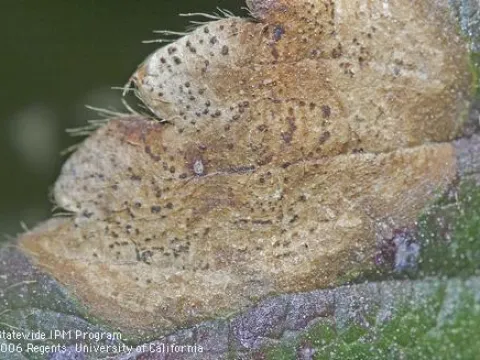
The fungus is characterized by the production of pycnidia, which are asexual fruiting bodies embedded within the host tissue. These structures house the conidia required for the pathogen's dispersal.
The life cycle of the pathogen is closely tied to moisture availability. During wet weather, spores are extruded from the pycnidia in gelatinous masses, allowing them to spread via water splashes.
It overwinters in infected strawberry leaves and plant debris left on the field. The persistence of the fungus in decaying matter makes sanitation a critical factor in management.
Microscopic examination of the pycnidia shows them to be small, dark, and globose. They are often arranged in patterns on the necrotic lesions of the leaves, helping in definitive identification.
The primary host is Fragaria × ananassa (cultivated strawberry). The fungus targets leaf blades and petioles, resulting in localized tissue death and reduced photosynthetic capacity.
By damaging the leaves, the pathogen limits the plant's ability to produce carbohydrates, which are essential for fruit development and overwintering survival.
In nurseries, the presence of the pathogen on runners and young plants can degrade the quality of the stock, leading to stunted plants that perform poorly after transplanting.
Severe infections weaken the entire crown of the plant. This physiological stress makes the strawberry bushes more susceptible to further environmental stressors and other soil-borne diseases.
While direct fruit infection is less common than leaf infection, the overall loss of plant vigor inevitably impacts the yield, reducing both fruit size and total volume.
The initial symptoms manifest as small, reddish-brown spots on the leaves. These lesions gradually expand and the center turns grayish-white as the tissue dies.
As the infection progresses, tiny black dots (pycnidia) appear scattered across the necrotic areas. These are easily visible with a hand lens and confirm the fungal origin of the spot.
Petiole infection leads to elongated, dark-colored lesions that can cause the stems to collapse. This often leads to premature leaf senescence and death.
In conditions of high humidity, the spores may emerge as sticky droplets or threads from the pycnidia. The infected leaves eventually turn brown and shrivel, leaving the plant defoliated.
Early warning signs include the rapid yellowing or browning of older leaves, especially when the canopy density prevents adequate airflow and drying.
Management focuses on reducing the inoculum level. Removing and burning all dead leaves and infected debris at the end of the season is the most effective cultural practice.
Promoting good airflow by planting at appropriate densities and thinning out overgrown beds helps create an unfavorable microclimate for fungal development.
Chemical control can be achieved through the application of fungicides during the growing season. Copper-based compounds and triazoles are frequently used preventatively.
Water management is crucial; overhead irrigation should be timed to allow foliage to dry before nightfall, thereby breaking the moisture-dependent cycle of the pathogen.
- Regular monitoring during the spring growth phase.
- Avoiding planting strawberries in poorly drained soils.
- Using pathogen-free runner plants for new bed establishment.