
Zucchini yellow mosaic virus
Zucchini yellow
Zucchini yellow mosaic virus (ZYMV) is a significant plant pathogen belonging to the Potyviridae family and the Potyvirus genus, known for its severe impact on cucurbit crops.
What the section contains
Zucchini yellow mosaic virus
The virus is primarily transmitted by various species of aphids in a non-persistent manner, which allows for extremely rapid spread within a field following short feeding periods.
Mechanical transmission also plays a role in the dissemination of the pathogen, occurring through contact with infected plant sap during agricultural handling and pruning.
The virus thrives in wild cucurbit species, which act as perennial reservoirs, ensuring that the pathogen remains present in the environment from one season to another.
The virus particles are filamentous, containing a single-stranded RNA genome that directs the plant cell machinery to replicate the virus at the expense of host development.
The host range is largely confined to the family Cucurbitaceae, including zucchini, pumpkin, squash, cucumber, and melon, causing severe systemic infections.
Economic losses are devastating, primarily due to the severe distortion of fruits, rendering them completely unsellable and reducing yields by up to 90% in susceptible fields.
Infected plants exhibit stunted growth, reduced leaf surface area, and a significant decrease in the number of flowers produced, leading to overall physiological collapse.
The quality of the fruit is compromised, with off-colors and internal tissue disorders that make them unsuitable for both fresh market sales and processing.
Young seedlings infected early in the growing season rarely reach maturity, often becoming stunted shrubs that never produce viable fruit.
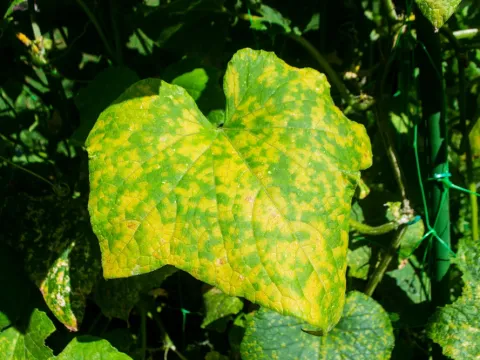
The hallmark of the disease is the intense yellow mosaic pattern on the foliage, often coupled with severe leaf distortion and "shoestring" symptoms.
Leaves often develop dark green blisters and severe crinkling, indicating a major disturbance in hormonal regulation and metabolic activity within the plant tissue.
Fruits show characteristic bumpy, knobby, and irregular surfaces with distinct yellow and green mottling, which severely impacts the visual quality of the crop.
- Chlorotic vein banding on older leaves.
- Shortened internodes causing a rosette growth habit.
- Stunted development of young developing fruit clusters.
While symptoms are distinct, they can be confused with other potyviruses; therefore, serological or molecular testing is recommended for confirmation in breeding programs.
There are no direct chemical treatments to cure an infected plant, making the integrated management of the disease the only viable strategy for growers.
The primary control method involves rigorous monitoring and control of aphid populations using selective insecticides to break the cycle of viral transmission.
The use of genetically resistant or tolerant hybrids is the most efficient and sustainable way to mitigate the risk of ZYMV in areas with high disease pressure.
Strict sanitation practices, including the removal and destruction of symptomatic plants and controlling weeds near fields, are essential to minimize infection reservoirs.
Farmers should implement spatial separation between successive plantings to avoid carrying the virus from older, infected crops to young, vulnerable seedlings.