
Septoria leaf blotch
Zymoseptoria tritici
Description
How to identify
Septoria leaf blotch, also known as speckled leaf blotch, is caused by the fungus Zymoseptoria tritici. It is one of the most economically damaging fungal diseases affecting wheat crops worldwide.
The pathogen is an ascomycete fungus that survives in crop debris. It produces two types of spores: asexual conidia and sexual ascospores, both of which are involved in the infection process.
Infection is highly dependent on environmental conditions, specifically moisture and temperature. High humidity, such as prolonged rain or dew, facilitates the splashing of spores from the ground to the lower leaves.
The fungus develops optimally at temperatures ranging from 15°C to 22°C. Once the spores germinate, they enter the leaf through stomata and colonize the intercellular spaces of the plant tissue.
The latent period, which is the time between infection and the appearance of new spores, typically lasts between 10 to 20 days depending on the cultivar and the local environmental conditions.
What it damages
The primary impact of the disease is the destruction of the leaf surface area. As the pathogen kills leaf cells, the photosynthetic capacity of the plant is significantly reduced during the grain-filling period.
When the flag leaf is heavily infected, the grain size and weight are severely compromised. This leads to substantial reductions in yield, often ranging from 20% to 50% in susceptible varieties.
Grain quality also suffers; infected crops produce grain with lower protein content, reduced starch accumulation, and lower test weights, affecting marketability.
Furthermore, the weakened condition of the plant makes it more susceptible to other opportunistic pathogens and environmental stressors like drought or lodging.
Consistent damage across large areas can result in massive economic losses for wheat farmers, requiring significant expenditure on chemical control measures throughout the growing season.
Signs of infestation
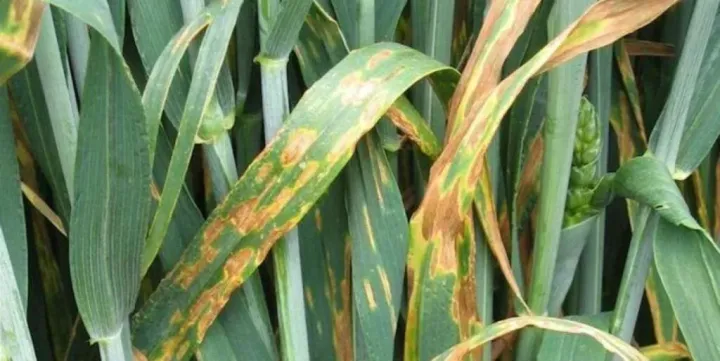
Symptoms initially appear as small, light-green or yellow spots on the lower, older leaves of the wheat plant, which gradually expand into irregular, brownish lesions.
A hallmark sign of Zymoseptoria tritici is the appearance of tiny, black structures called pycnidia within the necrotic lesions. These are often arranged in rows following the leaf veins.
As the disease progresses, these lesions merge, causing the entire leaf tissue to turn brown and necrotic, eventually leading to premature senescence of the affected leaves.
If the infection occurs during the later stages of growth, it may spread upwards to the upper leaves and, in severe cases, to the spikes, causing spotting and browning.
Under humid conditions, these pycnidia release spores that look like a creamy ooze, which can be seen upon close inspection of the lesions with a magnifying glass.
Control measures
Cultural practices are essential for managing Septoria. Rotating wheat with non-host crops and ensuring thorough burial of infected crop residues can significantly reduce the initial inoculum load.
Choosing resistant or moderately resistant wheat varieties is a foundational strategy to minimize the reliance on frequent fungicide applications.
Chemical control involves the application of fungicides, particularly during critical growth stages like stem elongation and flag leaf emergence, to protect high-yield-contributing leaves.
The use of fungicides from groups such as triazoles, strobilurins, and SDHIs is standard practice. Farmers are advised to alternate modes of action to manage fungicide resistance.
Regular monitoring of the field is crucial. If disease symptoms are observed on the lower leaves early in the season, a timely fungicide spray can prevent the upward spread of the disease.
Causes diseases · 1
Discussion
No discussions yet — be the first.