
Aster yellows
Yellow asters
Description
How to identify
Aster yellows is caused by Aster yellows phytoplasma (AYP), a specialized bacterial pathogen belonging to the Mollicutes class. These pathogens thrive specifically within the phloem tissues of their host plants.
The primary vector for the transmission of this disease is the aster leafhopper, Macrosteles quadrilineatus. The insect acquires the pathogen while feeding on infected sap and transmits it after a latent period.
The transmission process involves the injection of phytoplasmas into the plant's vascular system via the leafhopper's saliva. Once inside, the pathogen migrates rapidly through the sieve tubes.
Phytoplasmas are obligate parasites and cannot survive outside of their insect vector or a living host plant. This reliance on biological links makes the disease cycle highly dependent on the presence of the leafhopper population.
Because the infection is systemic, it affects the entire physiology of the host plant, often leading to irreversible damage that becomes visible as the pathogen disrupts normal cellular development.
What it damages
This pathogen has a vast host range, including over 300 plant species. Major horticultural crops affected include asters, lettuce, carrots, celery, tomatoes, and potatoes.
In ornamental gardens, the disease destroys the marketability of flowers. Infested asters exhibit stunted growth and failed flowering, resulting in complete aesthetic loss.
For vegetable crops, aster yellows causes severe physiological malfunctions. In carrots, it triggers the formation of thin, fibrous secondary roots, creating a "hairy" appearance that ruins the crop for consumption.
The disease poses a significant threat in greenhouse production and nurseries, where one infected specimen can lead to the spread of the pathogen across the entire stock.
Economic losses are cumulative, caused not only by direct crop failure but also by the labor costs associated with rogueing (removing) infected plants and the necessity for continuous pest control.
When it appears
The disease usually appears in late spring and early summer, coinciding with the migration of leafhoppers from overwintering sites or southern regions. The timing of arrival determines the severity of the infection.
Environmental factors, particularly temperature, influence both the life cycle of the leafhopper and the multiplication rate of the phytoplasma. Warmer weather accelerates the disease development cycle.
During hot, dry summer months, leafhoppers move more actively between host plants. This period represents the highest risk of transmission to high-value vegetable and flower beds.
The disease persists into the autumn, as the pathogen overwinters in perennial hosts and certain weeds. These reservoir plants are essential for the survival of the phytoplasma during the winter months.
Monitoring seasonal patterns of leafhopper populations is the foundation of effective integrated pest management (IPM) to mitigate the impact of Aster yellows.
Signs of infestation
The hallmark symptom of Aster yellows is chlorosis, particularly in younger leaves, where the leaf turns yellow while the veins remain green. This contrast is a key indicator for diagnosis.
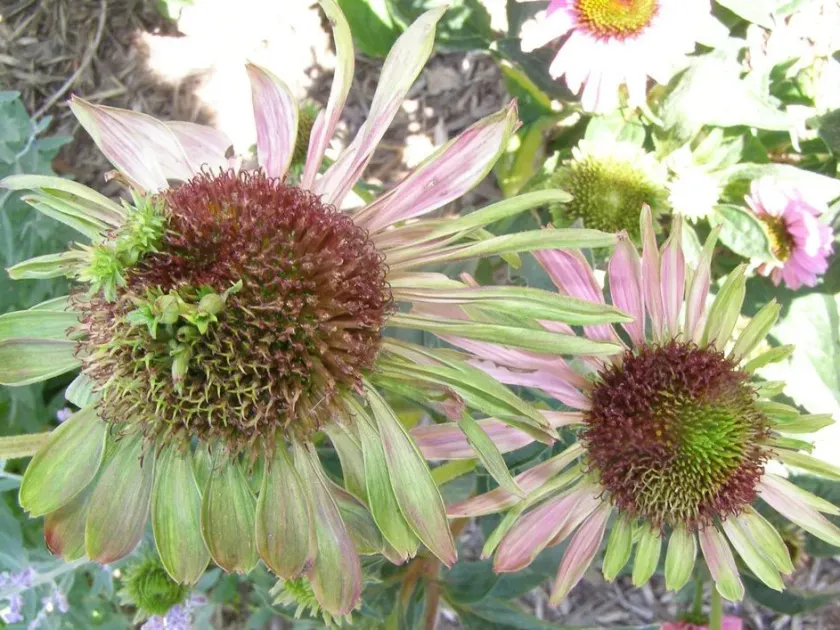
Another classic sign is virescence, where the petals of the flower turn into greenish, leaf-like structures. In many cases, the flower buds fail to open or appear severely deformed.
Infected plants exhibit extreme stunting and increased branching, often referred to as "witches' broom." The plants lose their characteristic shape and develop an unhealthy, bushy, or rosette-like appearance.
- Yellowing of new foliage with green veins.
- Virescence and deformation of flowers.
- Stunted plant development and reduced size.
- Formation of excessive, spindly side shoots.
- Reduced yield and sterility of flowers.
In carrots and other root vegetables, the roots become woody or fibrous, showing abnormal growth of secondary rootlets. These symptoms signal that the plant's hormonal balance is permanently compromised.
Control measures
Management focuses on managing the leafhopper population and removing host reservoirs. Using row covers or fine-mesh netting during peak migration times creates a physical barrier against the vectors.
Sanitation is crucial; all plants showing symptoms of Aster yellows should be immediately removed and destroyed. Keeping the surrounding area free of weeds is also essential to reduce host reservoirs.
Systemic insecticides can be used to control leafhoppers, but they must be applied preventively, before the disease becomes widespread. Once a plant is infected, no chemical treatment can cure it.
Crop rotation and selecting resistant or tolerant varieties can help manage the long-term impact of the disease, although genetic resistance to AYP remains limited in many popular cultivars.
Collaborative area-wide management is often required in commercial farming to reduce the overall population of the aster leafhopper, which minimizes the probability of individual fields being targeted.
Causes diseases · 1
Discussion
No discussions yet — be the first.