
Loose smut of oats
Ustilago avenae
Description
How to identify
Loose smut of oats is caused by the fungus Ustilago avenae, a member of the Basidiomycota phylum. This pathogen is an obligate parasite that exclusively infects members of the Avena genus.
The pathogen persists as teliospores on the seed surface or beneath the glumes of oat seeds. Infection occurs when spores germinate simultaneously with the host seed in the soil.
The fungal mycelium colonizes the seedling and develops systemically within the plant tissues throughout the entire growing season without showing visible symptoms.
During the flowering stage, the spores are disseminated by wind to healthy florets, where they infect the ovary, ensuring the perpetuation of the disease cycle.
By harvest time, the fungus has successfully produced a new generation of spores, which remain dormant in or on the seed until the next planting season.
What it damages
The disease causes significant damage by destroying the inflorescence of the oat plant, replacing healthy grains with a mass of dark fungal spores.
Yield losses can be substantial, often ranging from 10% to 40% depending on the infection rate of the seeds used for planting in a given season.
Beyond direct yield reduction, the presence of spores reduces the market quality of the grain, making it unsuitable for feed or food processing due to contamination.
Infected plants may exhibit stunted growth and reduced vigor, which further compounds the negative economic impact on farmers and agricultural productivity.
If left uncontrolled, the disease can spread rapidly throughout the field, leading to severe outbreaks that compromise the profitability of the oat crop.
Signs of infestation
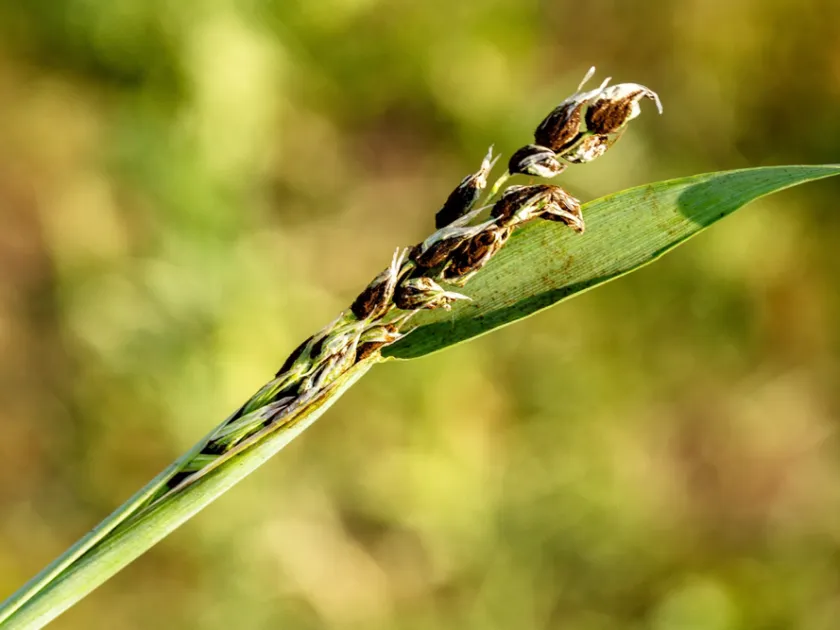
The most diagnostic symptom is the conversion of the entire oat panicle into a loose, powdery mass of black spores that is easily scattered by the wind.
Unlike covered smut, the loose smut pathogen lacks a persistent membrane, meaning the spores dissipate quickly after formation, leaving only the bare central stalk.
Affected panicles are typically visible as soon as they emerge from the leaf sheath, often appearing prematurely compared to the healthy crop.
Plants affected by Ustilago avenae frequently appear shorter and more chlorotic than their healthy counterparts during the mid-to-late growth stages.
In the field, the black, soot-like appearance of the panicles makes infected plants stand out clearly against the backdrop of healthy, ripening oat fields.
Control measures
The primary method of control is the systematic treatment of seeds with high-quality fungicides prior to planting to eradicate spores adhering to the seed.
Choosing resistant oat varieties is the most sustainable and cost-effective strategy to minimize the prevalence of loose smut in agricultural systems.
Agronomic practices, such as ensuring optimal planting conditions in warm, well-draining soil, help seedlings establish quickly, reducing the window of susceptibility.
Crop rotation and field sanitation help reduce the overall inoculum pressure, though primary focus remains on the quality and treatment of the seeds planted.
Regular inspection and rouging of infected plants in seed production fields are essential to prevent the spread of the pathogen to larger commercial acreages.
Causes diseases · 1
Discussion
No discussions yet — be the first.