
Unknown cause
Unknown cause
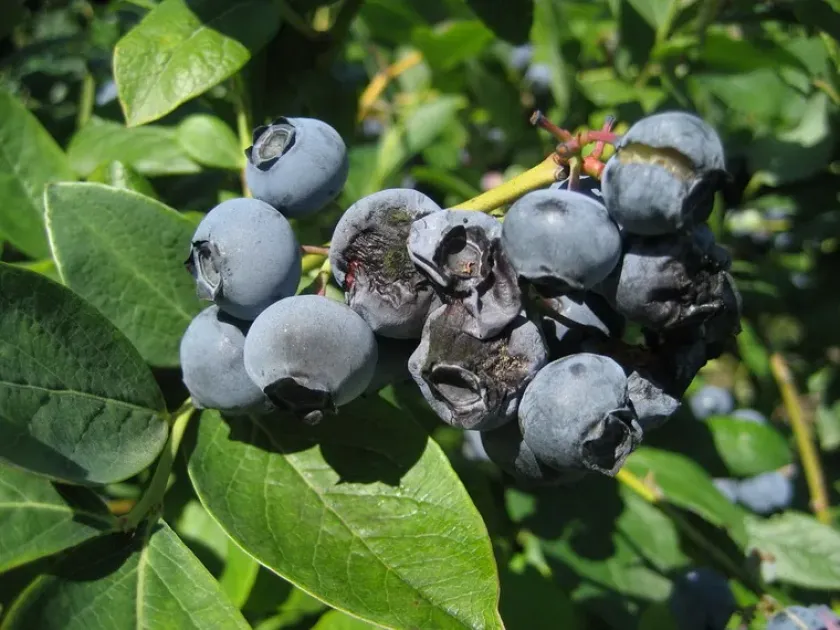
Description
How to identify
The term unknown cause in agronomy refers to plant diseases or physiological disorders for which a specific biological agent cannot be immediately identified.
These conditions often present non-specific symptoms that do not correspond to typical fungal, bacterial, or viral patterns documented in textbooks.
The etiology of such cases is frequently linked to complex interactions between abiotic stress factors, soil chemical composition, and environmental fluctuations.
Systematic classification is difficult as the pathogen, if one exists, remains undetected by standard isolation techniques used in traditional plant pathology labs.
Modern agronomists must utilize molecular diagnostic tools, such as sequencing or PCR, to rule out rare virus strains or phytoplasmas that might be causing the damage.
What it damages
The economic impact of an unidentified pathogen or cause can be severe, as delayed diagnosis leads to ineffective treatment strategies and potential crop failure.
Symptoms often lead to reduced photosynthesis, stunted growth, and lower yields, sometimes affecting entire fields or specific sections depending on the root cause.
In many instances, damage is confused with nutrient deficiencies, requiring precise soil and leaf tissue analysis to determine the availability of micro-elements.
If the issue is of a systemic nature, such as soil toxicity, it can prevent proper seed germination or lead to seedling death shortly after emergence.
Without an early identification, the plant's natural defense systems become compromised, making it susceptible to opportunistic secondary infections.
Signs of infestation
Signs are typically varied and confusing, ranging from leaf discoloration and chlorosis to complete necrosis of the apical meristem.
Plants often exhibit morphological changes such as leaf curling, dwarfing, or abnormal branching, which could signify internal hormonal imbalances.
The absence of characteristic structures like spores, mycelium, or bacterial ooze is a major distinguishing feature of an unknown or abiotic cause.
Vascular browning or stem lesions may appear, but unlike typical fungal diseases, they often do not develop further into clear, reproducible symptoms.
- Generalized wilting during heat peaks.
- Irregular patches of chlorosis across the canopy.
- Failure of fruit development or abnormal fruit morphology.
Control measures
The first step in control is a systematic approach to eliminate all possible non-pathological factors, such as herbicide drift or soil pH imbalance.
It is vital to maintain strict field hygiene to prevent the spread of any potential unidentified infectious agent until a lab report is available.
Applying broad-spectrum fungicides or insecticides is discouraged until the cause is determined, as unnecessary chemical loads can exacerbate plant stress.
Use of biological stimulants, such as amino acids or seaweed extracts, helps plants recover from unidentified physiological stress while diagnostics are conducted.
Maintain detailed records of field management practices and weather events to identify potential correlations when the plant pathology report is finalized.
Causes diseases · 7
Discussion
No discussions yet — be the first.