
Unidentified phytopathogen
Unidentified
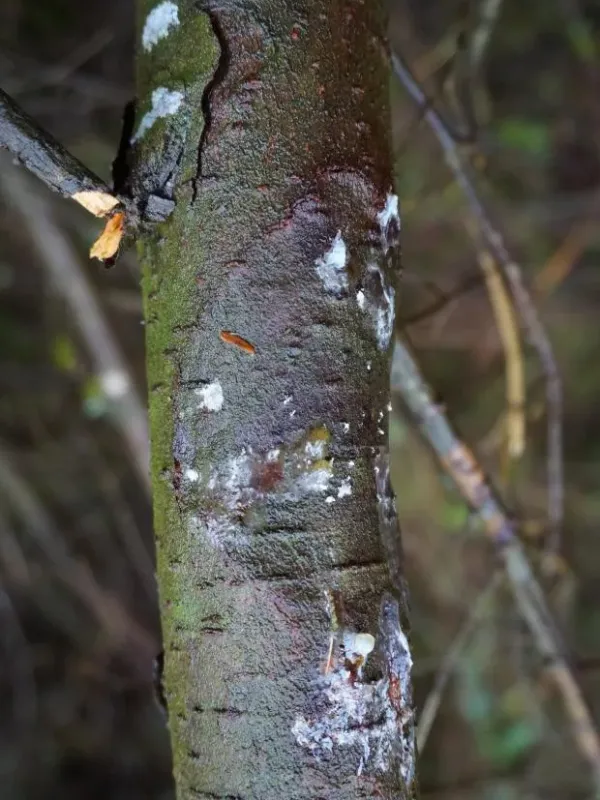
Description
How to identify
An "unidentified phytopathogen" refers to an infectious agent whose taxonomic classification remains unknown. These pathogens often defy standard diagnostic criteria, requiring advanced molecular techniques such as high-throughput sequencing for precise identification.
These agents can include novel viruses, phytoplasmas, or specialized fungal strains that do not manifest typical morphological features. The lack of standard culturing methods for these organisms makes them a significant challenge in modern plant pathology.
Identification process usually involves molecular screening to detect non-standard DNA or RNA sequences. Agronomists encounter these pathogens when field symptoms do not align with known regional disease profiles, requiring intervention from diagnostic laboratories.
The biological nature of these pathogens is often cryptic, meaning they may exist in a latent state before causing significant damage. Environmental shifts often act as catalysts, triggering rapid multiplication of these previously dormant or unrecognized organisms.
Understanding the life cycle of an unidentified pathogen is difficult without long-term observation. Researchers focus on identifying the transmission vectors and host range to assess the potential economic impact on agricultural systems.
What it damages
Unidentified phytopathogens can impact a wide variety of crops, including staple cereals, legumes, and high-value horticultural plants. The damage is often significant because producers are unprepared for the specific symptoms shown by the pathogen.
The pathogen interferes with the plant’s physiological processes, leading to stunted growth, reduced nutrient uptake, and overall yield decline. In severe cases, it causes physiological collapse and total crop failure within the field.
Cereal crops often suffer from vascular system disruption, which results in wilting and poor grain filling. These symptoms are often misidentified, leading to ineffective treatment protocols and wasted input costs.
Horticultural crops may exhibit severe leaf deformation or mosaic patterns, which are frequently mistaken for viral infections. These symptoms reduce the marketability and overall shelf life of the produced fruits or vegetables.
Spread is facilitated by infected planting material, contaminated soil, or insect vectors. Because the pathogen is unidentified, there are no established resistant cultivars, making control efforts particularly difficult.
Signs of infestation
Key indicators include irregular chlorosis, systemic necrosis, plant stunting, and abnormal tissue development. These symptoms often appear suddenly across fields, indicating a fast-spreading infectious agent.
Visible changes in root architecture, such as root rot or vascular browning, are common signs of systemic infection. The plant may fail to thrive even under ideal growing conditions, signaling a deeper internal pathogen issue.
Unlike well-known pathogens, these agents may not produce visible signs like fungal mycelia or spores. This absence of external structures is a major clue that the pathogen might be viral, bacterial, or a specialized intracellular organism.
Symptoms may vary depending on the plant growth stage and the environmental stress levels. Early detection is often missed, as signs might be confused with micronutrient deficiencies or abiotic damage.
Consistent patterns of plant decline across specific fields should be documented and sampled for laboratory testing. Professional analysis is the only way to differentiate these pathogens from abiotic stressors.
Control measures
Integrated pest management (IPM) is essential when dealing with an unknown pathogen. Strict quarantine measures and the use of certified, disease-free seed are the primary lines of defense against spreading the infection.
Field sanitation is critical: removing and destroying infected plant debris prevents the buildup of the pathogen in the soil. Proper crop rotation cycles help in disrupting the life cycle of the mysterious organism.
Chemical control, while often applied as a precaution, should be selected based on the suspected nature of the pathogen. Using broad-spectrum systemic products may help, but biological stimulants are also recommended to improve plant resilience.
Constant monitoring and scouting allow for early intervention. If an area shows signs of an unknown infection, it should be isolated immediately to prevent cross-contamination by machinery or water runoff.
- Regular field scouting and documentation of unusual symptoms.
- Implementation of strict farm hygiene practices.
- Use of soil amendments to support plant immunity.
- Consultation with plant health diagnostic centers for molecular testing.
Causes diseases · 5
Discussion
No discussions yet — be the first.