
Description
Symptoms
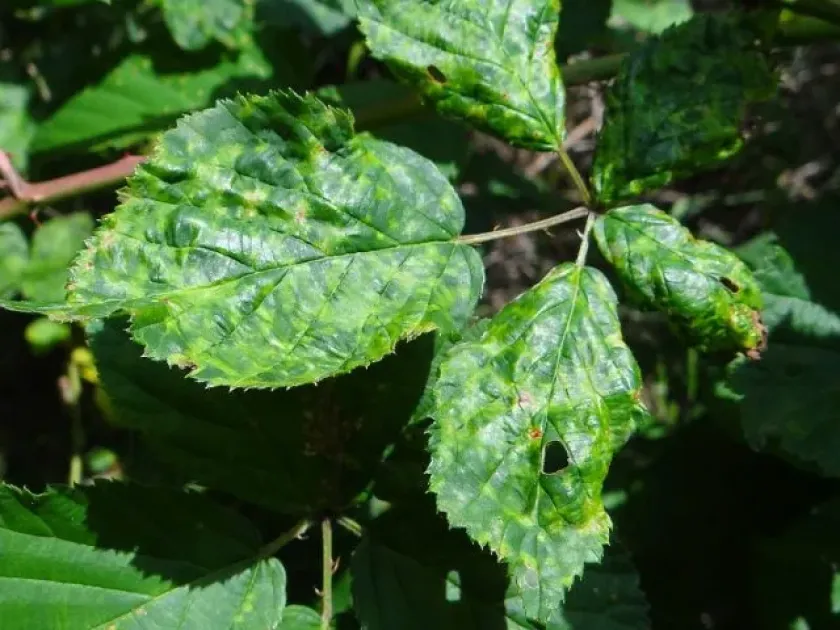
The most distinctive symptom is the appearance of a mosaic pattern on the leaves, characterized by irregular patches of light and dark green coloration.
Leaf deformation is a common secondary symptom, where tissues may wrinkle, curl, or exhibit stunted growth, disrupting the natural shape of the foliage.
Symptoms often appear more pronounced during periods of active growth, particularly when temperatures are moderate, as the virus affects metabolic activity.
In cases of severe infection, leaves may appear smaller than normal, and internodes on shoots may become shortened, giving the tree a dense or stunted appearance.
While fruit symptoms are less consistent, severe cases may lead to reduced fruit size, altered coloration, or overall poor development, impacting commercial quality.
Pathogen
Green mottle is a viral disease caused by specific phytopathogenic viruses, which often belong to the mosaic or mottle virus groups affecting various agricultural crops.
The virus is systemic, meaning it infects the internal transport systems of the plant, including the phloem, thereby spreading throughout the entire organism.
It is primarily transmitted through the use of infected grafting material, including rootstocks and scions, making nursery management critical for disease control.
As a viral pathogen, it does not respond to fungicides; once an individual plant is infected, the virus typically persists within its tissues throughout its lifespan.
The disease affects a wide range of botanical hosts, with significant implications for apple tree cultivation (Malus domestica), where it can cause chronic issues.
Conditions for development
The spread of the virus is largely facilitated by human activity, particularly through the use of non-sterilized tools during pruning or grafting operations.
Insects, such as aphids and leafhoppers, act as vectors, transmitting the virus from infected trees to healthy ones during their feeding process.
Environmental conditions that favor rapid plant growth can sometimes intensify the expression of viral symptoms as the virus moves through the vascular tissues.
Nursery environments are particularly vulnerable if proper hygiene and sanitation protocols are not maintained when propagating fruit tree saplings.
Stress factors like drought, nutrient imbalance, or soil salinity weaken the tree's defensive response, allowing the viral load to increase significantly within the plant.
Why it matters
The primary economic impact of green mottle is the progressive decline in fruit yield, which diminishes the long-term profitability of the apple orchard.
Chronic infection results in a weakened physiological state, making trees more susceptible to winter injury and other environmental stressors that lead to decline.
Marketable quality of the fruit is compromised as infected trees produce smaller harvests and fruits with inferior physical characteristics and taste.
The longevity of the orchard is significantly reduced, as trees become unproductive and need to be removed earlier than planned due to the cumulative viral effect.
Viral infections weaken the host's overall immunity, predisposing the tree to opportunistic secondary infections by bacteria or fungi that can further harm the wood.
Protection
Prevention is the most effective management strategy, starting with the exclusive use of virus-free, certified nursery stock for all new plantings.
Rigorous sanitation of all pruning tools using disinfectant solutions between trees is necessary to prevent the mechanical transmission of the viral pathogen.
Integrated pest management should be employed to control known insect vectors that facilitate the movement of the virus throughout the orchard.
- regular monitoring for early detection of symptomatic trees;
- prompt removal and destruction of severely infected individuals;
- avoidance of propagation from infected parent trees;
- selection of resistant cultivars whenever available.
Since no curative treatment exists for plant viruses, focusing on biosecurity and proactive orchard management is essential to minimize the impact of the disease.
Pathogens and affected parts
Affects crops · 1
Discussion
No discussions yet — be the first.