
Stemphylium leaf spot
Stemphylium herbarum
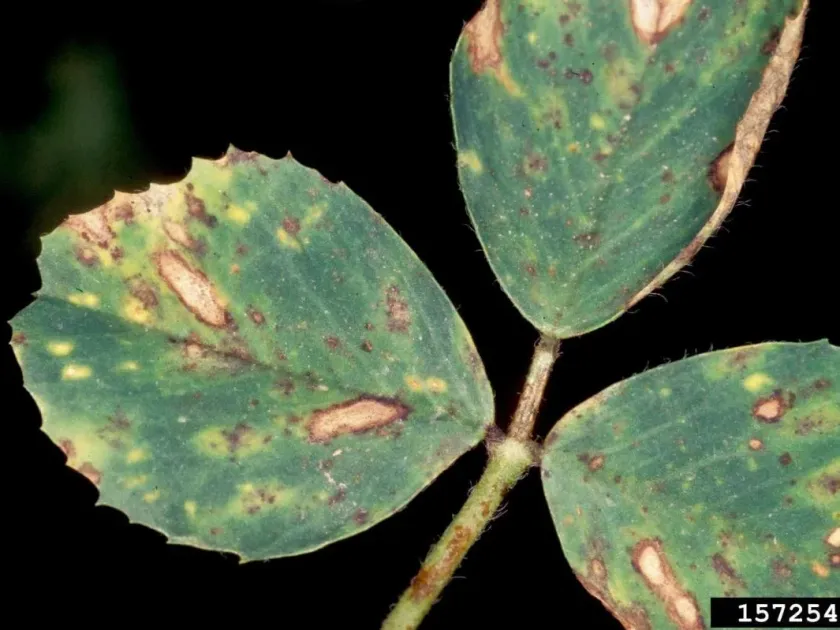
Description
How to identify
Stemphylium leaf spot is a plant disease caused by the fungus Stemphylium herbarum (syn. Pleospora herbarum). It belongs to the kingdom Fungi, class Dothideomycetes, and order Pleosporales.
The pathogen is a facultative parasite that survives as mycelium, chlamydospores, or perithecia in plant debris and soil, maintaining its viability for long periods.
Asexual reproduction occurs via conidia, which are efficiently dispersed by wind currents, splashing rain, and mechanical contact through farming operations.
The development of the infection is favored by high humidity, frequent rainfall, and warm to moderate temperatures, which accelerate the spread of the fungus.
Stemphylium can attack host plants at any growth stage, making ongoing field scouting an essential component of modern agronomic management.
What it damages
This fungus affects a diverse range of horticultural and field crops, including tomatoes, onions, garlic, asparagus, as well as sunflowers and alfalfa.
On tomato plants, the infection typically manifests on the leaves, leading to chlorosis and premature defoliation, which severely reduces photosynthetic capacity.
In onion and garlic production, the disease targets the foliage, causing necrotic spots that can lead to rapid wilting and bulb quality deterioration.
The primary economic impact stems from reduced crop yields, poor plant vigor, and increased susceptibility to secondary infections that further stress the host.
If left unmanaged during a wet growing season, the pathogen can cause significant yield losses, potentially destroying up to half of the crop.
When it appears
Initial infections often emerge in early summer when temperatures stabilize and rainfall frequency increases, providing the necessary moisture for germination.
The peak of disease progression typically occurs during the mid-growing season under warm, humid conditions with temperatures between +20°C and +28°C.
Multiple generations of spores are produced throughout the season, allowing for rapid disease spread across fields if humidity remains consistently high.
As autumn approaches and temperatures decline, the pathogen transitions into survival structures, overwintering in residues to initiate new cycles the following year.
Weed hosts in or near the field can serve as reservoirs, maintaining the fungal population throughout the off-season and acting as a source for early spring infection.
Signs of infestation
Early symptoms appear as small, dark brown or tan spots on lower leaves, often surrounded by a distinct yellow (chlorotic) halo, indicating tissue stress.
As lesions enlarge, they may exhibit concentric zonation patterns, and under high humidity, a characteristic olive-black velvet-like coating of spores develops.
In onions, symptoms often begin at the tips of the leaves, which become blighted and covered in the dark mold, eventually leading to dieback of the entire plant leaf.
Severe infection causes significant leaf tissue death, leading to plant stunting, loss of vigor, and eventually premature senescence of the affected crop.
Laboratory diagnosis involves examining the characteristic large, multicelled, dark conidia of the fungus under a microscope to confirm the identification.
Control measures
The foundation of management is a robust crop rotation strategy, avoiding the planting of susceptible crops in the same field for at least 3 to 4 years.
- Sanitation, including the removal and destruction of crop residues, is critical to reduce the initial inoculum load in the field.
- Use of high-quality, disease-free seed and planting material, along with resistant or tolerant varieties where available.
- Strategic planting density to ensure adequate air movement and reduce humidity levels within the crop canopy.
- Application of protective and systemic fungicides, including strobilurins and triazoles, according to local thresholds and regional guidance.
Regular field scouting for early signs and the timely application of fungicides are essential to preventing major outbreaks and ensuring a successful harvest.
Causes diseases · 1
Discussion
No discussions yet — be the first.