
Description
Symptoms
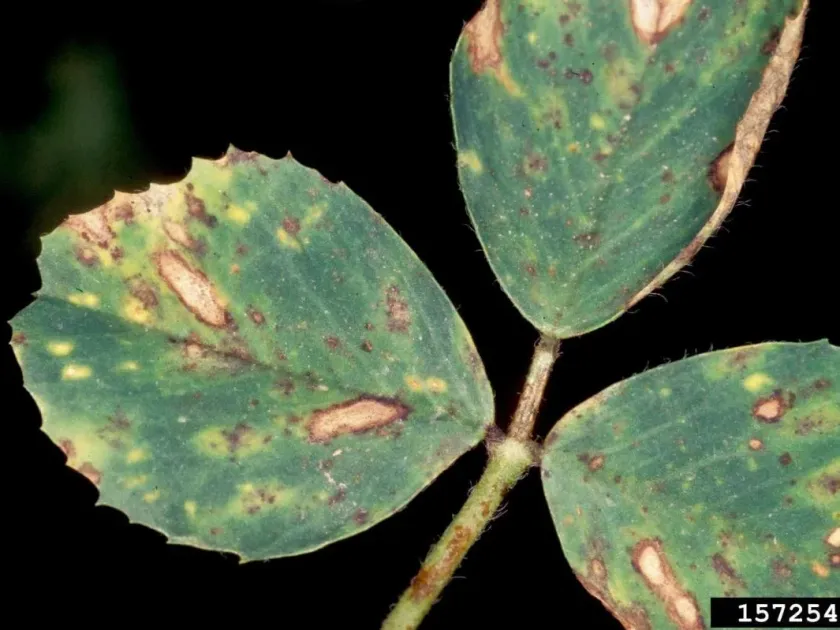
The first symptoms of Pleospora leaf spot are small, circular, or irregular chlorotic spots on leaves. As the disease progresses, these spots expand and become necrotized, typically displaying a light brown or dark grey center.
A hallmark diagnostic feature of this disease is the appearance of concentric zones within the lesions. Often, a distinct yellow halo (chlorosis) surrounds the dead tissue, reflecting the host plant's physiological stress.
Under high humidity conditions, a dark olive-green or grey velvety growth emerges on the surface of the lesions. This growth consists of dense clusters of conidiophores and conidia, confirming the presence of Stemphylium.
In citrus, the disease manifests as unsightly dark lesions on the peel of the fruit, which can lead to post-harvest decay. Leaf damage on citrus may result in chlorosis, distortion, and premature abscission of the leaves.
In severe cases, stem lesions can occur, potentially leading to wilting or dieback of entire branches or seedlings. This weakens the structural integrity and overall vigor of the host plant.
Pathogen
The causative agent of the disease is the fungus Stemphylium herbarum (teleomorph stage: Pleospora herbarum). It is a ubiquitous plant pathogen that acts both as a saprophyte on plant debris and as a parasite on living tissues.
The fungus is highly resilient, surviving long periods in soil, seeds, and infected plant residues. It produces both conidia (asexual spores) and ascospores (sexual spores), which facilitate the rapid spread of the disease under favorable environmental conditions.
Stemphylium herbarum possesses a broad host range, infecting various field crops, vegetables, and fruit plants. It is particularly known for causing significant damage to citrus, where it compromises both foliage health and fruit quality.
The fungus's ability to adapt to diverse environments allows it to persist in both temperate and tropical regions. It remains a major concern for intensive agriculture where high humidity and temperature fluctuate frequently.
Dissemination occurs primarily through wind-borne conidia, splashing rain, and contaminated irrigation water, making it a challenging pathogen to contain in open field environments and greenhouse setups alike.
Conditions for development
The development of Pleospora leaf spot is highly dependent on moisture. High relative humidity (above 85%) and the presence of leaf wetness are essential for the germination of fungal spores and infection.
Optimal temperatures for the fungus range between +18°C and +25°C. Prolonged periods of rainy weather, heavy dew, or overhead irrigation provide the perfect environment for the pathogen to thrive and spread.
Poor agricultural practices, such as excessive plant density and inadequate ventilation in greenhouses, create pockets of stagnant air with high humidity, significantly increasing the likelihood of an outbreak.
Plants that are already under physiological stress from drought, nutrient deficiencies, or mechanical damage are significantly more susceptible to Stemphylium herbarum infection compared to healthy, well-nourished plants.
Warm, humid conditions facilitate the formation of new conidia on previously infected tissues, allowing the disease cycle to repeat multiple times within a single growing season.
Why it matters
The primary economic impact of Pleospora leaf spot is the reduction of the photosynthetic area of the plant, which directly impacts biomass accumulation, fruit yield, and overall plant growth rates.
In fruit crops like citrus, damage to the peel significantly lowers the aesthetic and market value of the produce. This makes the fruit more susceptible to secondary pathogens and reduces its storage life.
Infected seeds can harbor the fungus, which may lead to poor germination rates and stunted seedlings. This creates a cycle where the disease is introduced into new fields via contaminated planting material.
Significant infestations can lead to premature senescence and defoliation of plants, which severely weakens perennial crops and makes them less productive in subsequent years, leading to long-term yield losses.
The cumulative effect of tissue destruction and physiological weakening often forces growers to increase their chemical intervention, raising production costs and increasing the risk of fungicide resistance.
Protection
Managing Pleospora leaf spot requires an integrated approach. Cultural practices such as crop rotation, removing and destroying plant debris after harvest, and ensuring proper spacing between plants are fundamental steps.
Using high-quality, certified seeds and resistant cultivars significantly reduces the risk of initial infection. In high-risk areas, the use of preventative fungicide sprays based on copper or systemic products is recommended.
For greenhouse production, maintaining low humidity and ensuring adequate air circulation are critical to preventing the buildup of fungal inoculum on the leaf surfaces.
Balanced fertilization, particularly adequate potassium and phosphorus levels, enhances the plant's natural defense mechanisms, making it more resilient against fungal penetration and colonization.
- Rotate crops to break the disease cycle.
- Remove crop debris to eliminate overwintering sites.
- Monitor plants and apply fungicides at the first sign of symptoms.
- Improve air circulation and reduce humidity in greenhouses.
Pathogens and affected parts
Affects crops · 1
Discussion
No discussions yet — be the first.