
Stemphylium leaf spot
Stemphylium botryosum
Description
How to identify
Stemphylium leaf spot is caused by the fungus Stemphylium botryosum (teleomorph Pleospora herbarum), which belongs to the Ascomycota phylum.
This pathogen is a facultative saprophyte, meaning it can survive on decaying organic matter as well as infect living plant tissues under favorable conditions.
The fungus produces large, multicellular, dark-pigmented conidia that are easily dispersed by wind, rain splashes, and irrigation water.
It has a broad host range, infecting various vegetable crops, legumes, and oilseeds, making it a significant challenge in diverse agricultural systems.
Microscopic analysis reveals characteristic conidia with distinct transverse and longitudinal septa, which differentiates it from other common foliage pathogens.
What it damages
The disease causes significant damage to foliage, leading to premature leaf senescence and a reduction in the overall photosynthetic capacity of the plant.
In bulb crops like onions and garlic, the pathogen causes severe lesions that can lead to leaf blight and reduced bulb development.
On susceptible crops such as spinach and lettuce, the leaf spots significantly reduce the commercial value and marketability of the fresh produce.
In high-humidity environments, secondary infections often occur, with opportunistic bacteria and other fungi colonizing the weakened tissues.
Total yield losses can be substantial, especially when the disease reaches epidemic proportions during sensitive growth stages of the plant.
When it appears
The disease development is heavily dependent on moisture; prolonged leaf wetness is essential for conidial germination and infection.
Temperature plays a crucial role, with the most rapid disease development occurring in the range of 20°C to 25°C.
Outbreaks are most common during periods of high humidity, such as frequent rain showers, heavy dew, or overhead irrigation use in summer months.
The pathogen can survive in soil and on infected crop debris during winter, providing a source of primary inoculum for the next growing season.
Seasonal patterns of spread are dictated by local weather conditions, with the highest risk of infection during canopy closure when humidity remains high.
Signs of infestation
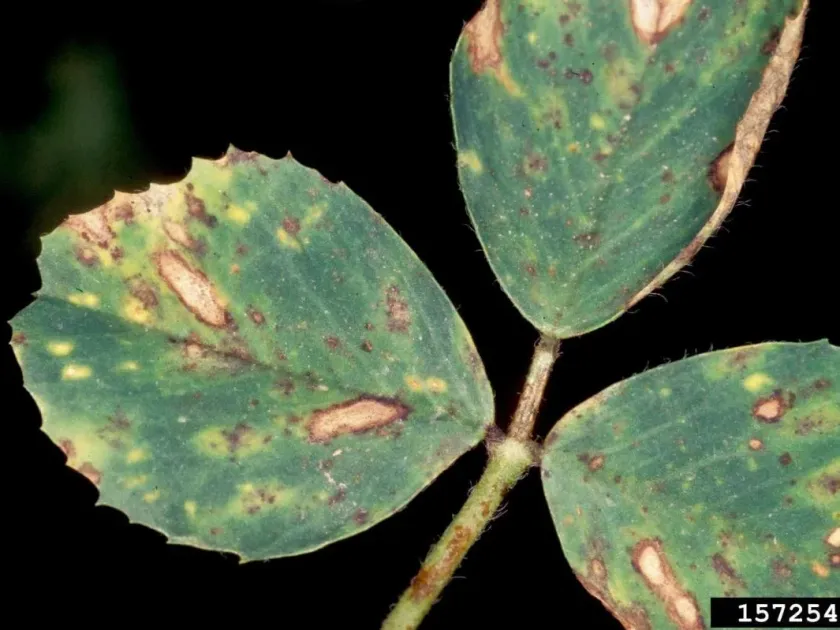
Early symptoms appear as small, water-soaked spots on leaves that soon enlarge and turn light brown or tan in color.
- Development of distinct dark-colored borders around necrotic leaf spots.
- Presence of a dark, sooty, moldy appearance on the surface of the lesions.
- Yellowing of leaves surrounding the infected areas (chlorosis).
- Blighting and drying of the entire leaf foliage in advanced stages.
- Deformed growth and localized necrosis on stems or flower stalks in specific crops.
Control measures
Cultural practices such as crop rotation and the destruction of infected plant debris are essential to reduce the primary inoculum level.
Optimizing plant spacing and ventilation helps create a less favorable microclimate for fungal infection and spore production.
Balanced fertilization, particularly avoiding excessive nitrogen, can help maintain stronger plant cell walls and reduce susceptibility to the pathogen.
Chemical control involving the timely application of systemic fungicides, such as strobilurins or triazoles, is highly effective when applied preventively.
Integrated pest management (IPM) strategies, including monitoring weather forecasts to time fungicide applications, provide the most sustainable control.
Causes diseases · 1
Discussion
No discussions yet — be the first.