
Fig stagonosporosis
Stagonosporopsis caricae
Description
How to identify
Fig stagonosporosis is caused by the fungal pathogen Stagonosporopsis caricae, a member of the Didymellaceae family. This fungus is a specialized parasite that affects various parts of the fig tree (Ficus carica).
The pathogen is characterized by the production of pycnidia, small flask-shaped fruiting bodies, where asexual spores (conidia) are formed. These spores are essential for the rapid spread of the disease under favorable environmental conditions.
Taxonomically, it falls within the Ascomycota phylum. The fungus is well-adapted to surviving the winter in dead plant debris, particularly in fallen leaves and on the bark of previously infected branches.
The infection cycle begins when spores are dispersed by splashing water, wind, or insects. Once they land on susceptible tissue, they penetrate the plant via stomata or wounds caused by pests or mechanical damage.
High relative humidity and moderate temperatures are the most critical factors influencing the development and proliferation of this pathogen, making wet growing seasons particularly dangerous for orchards.
What it damages
The primary host for this fungus is the common fig tree. The infection impacts both vegetative growth and fruit production, leading to significant yield losses in untreated orchards.
Leaf infection is the most common form of damage. It reduces the tree's photosynthetic capacity, which directly stunts tree growth and weakens its ability to produce high-quality fruit for the season.
Fruit infection results in necrotic spots that ruin the aesthetic and commercial value of the crop. Infected fruit often rots on the branch or quickly decomposes after harvest, rendering them useless.
Young shoots can also be affected, suffering from bark necrosis and cracking. This damage limits nutrient transport within the branch, potentially leading to the death of small twigs and branches.
Overall tree vigor declines as a result of repeated seasonal infections. Weakened trees become more susceptible to other diseases and environmental stress, including frost damage during winter months.
Signs of infestation
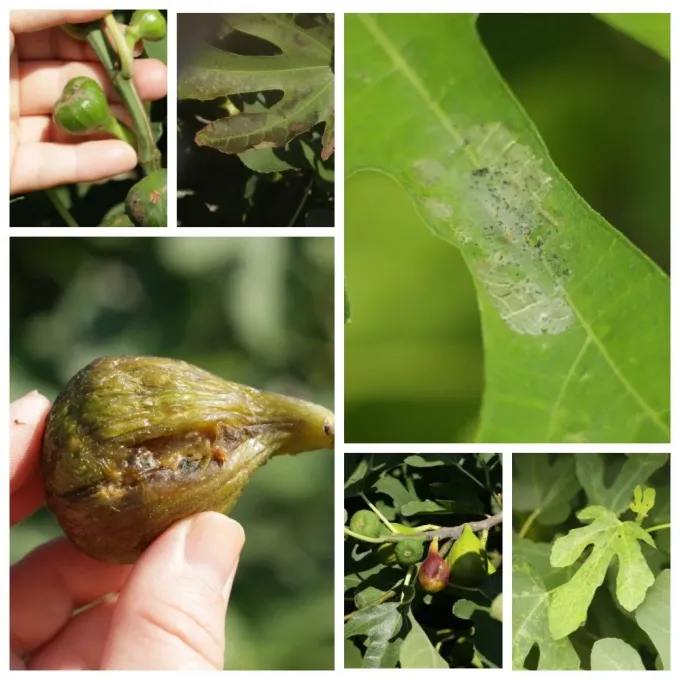
Initial symptoms include the appearance of small, brown spots on the leaves. As the infection progresses, these spots often enlarge, merge, and develop a yellowish halo around the necrosis.
A key diagnostic feature is the appearance of tiny, black pycnidia scattered across the necrotic lesions. These dots are the reproductive structures of the fungus and are visible upon close inspection.
On fruits, the disease manifests as sunken, dark-colored lesions that expand quickly. Under humid conditions, a visible fungal mycelium or sporulation may appear on the surface of these rotted spots.
Bark necrosis is evident on branches, where the surface may appear discolored, brittle, or split. In severe cases, the infected bark can peel away, exposing the woody tissue beneath.
Premature leaf drop is a hallmark of a serious infection. Trees may lose a significant portion of their canopy in the middle of summer, leading to reduced sugar accumulation in the developing fruit.
Control measures
Sanitation is the cornerstone of disease management. All fallen leaves and infected fruit should be removed from the orchard floor and destroyed to eliminate the primary sources of overwintering inoculum.
Pruning is essential for improving airflow and sunlight penetration within the tree canopy. A well-managed, open crown allows the foliage to dry out quickly after rain, inhibiting fungal spore germination.
Fungicide applications, particularly those containing copper, should be considered as a preventative measure. Timing is crucial, with applications usually recommended during bud break and early vegetative growth.
Water management plays a vital role in disease suppression. Transitioning from overhead sprinkler irrigation to drip irrigation prevents unnecessary wetting of the leaves and fruit, reducing infection risks.
Continuous monitoring of the orchard allows for early detection of infected sites. Immediate pruning and disposal of the first affected branches can often prevent a small outbreak from spreading throughout the entire orchard.
Causes diseases · 1
Discussion
No discussions yet — be the first.