
Rosellinia bunodes
Rosellinia bunodes
Description
How to identify
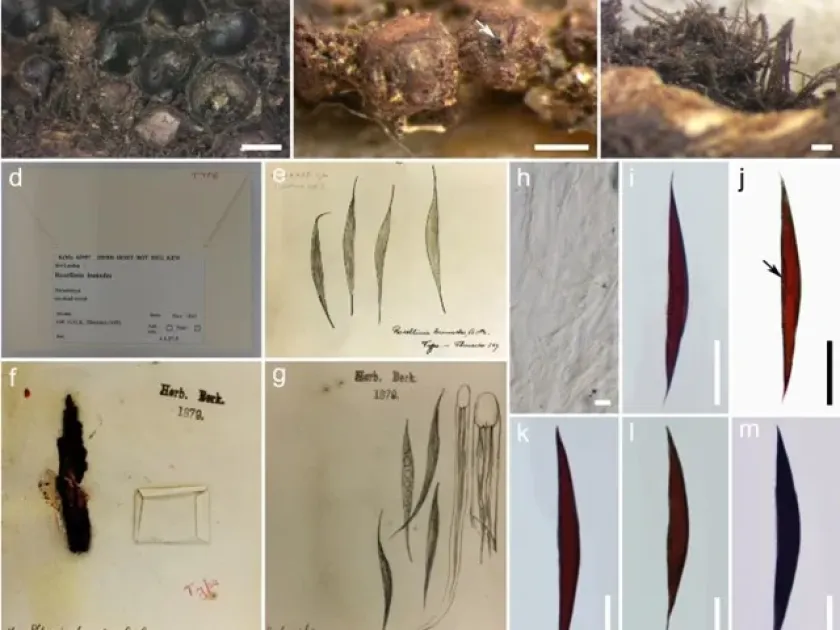
Rosellinia bunodes is a pathogenic fungus belonging to the Ascomycota division. It is widely recognized as a serious soil-borne pathogen capable of causing destructive root rot in various perennial crops, particularly in tropical and subtropical regions.
The fungus exists primarily in the soil as mycelium or sclerotia, which can survive for extended periods on decaying organic matter or infected root debris. Its biological cycle involves both asexual stages and the formation of perithecia, which are small black reproductive structures.
One of the most characteristic features of this pathogen is the development of black, thread-like mycelial cords that form a dense network over the surface of the infected roots. This structure facilitates the fungus's ability to spread from plant to plant through soil contact.
Rosellinia bunodes thrives in high-humidity environments and well-drained but organic-rich soils. It can effectively colonize a wide range of host plants, moving from dead plant material to healthy living tissues when conditions are favorable.
The pathogen's resilience and its ability to act as a saprophyte on dead organic matter make it a persistent threat in established plantations, where it can easily migrate through the root zone over many years.
What it damages
The fungus primarily attacks economically important perennial trees, including coffee, cocoa, tea, and various citrus species. It causes severe damage by compromising the root system's ability to transport water and minerals to the tree canopy.
Infection usually starts at the root collar or major structural roots. As the pathogen advances, it destroys the cambium layer, effectively girdling the tree underground and cutting off the supply of essential nutrients.
The damage often results in slow, progressive decline, manifested by leaf chlorosis and gradual wilting. In many instances, growers do not realize the extent of the infection until the tree shows significant crown dieback.
The spread of the fungus is horizontal within the plantation, often leading to the formation of "dead patches" where clusters of trees die consecutively. This creates significant financial losses due to the necessity of removing entire blocks of crops.
Management of the damage involves not just treating infected trees but also implementing wide-ranging sanitation protocols to prevent the expansion of these infection foci into healthy plantation areas.
Signs of infestation
Initial symptoms are often subtle, presenting as a loss of vigor, yellowish discoloration of leaves, and reduced productivity. These signs are frequently mistaken for nutrient deficiency or drought stress.
The hallmark diagnostic feature is the presence of the dark, crust-like or net-like mycelial growth on the bark of the roots and the base of the stem. If the bark is scraped away, the underlying wood may appear discolored, typically showing a dark, necrotic appearance.
Roots in advanced stages of infection are soft, brittle, and emit a characteristic odor associated with the decomposition process. The connection between the root cortex and the wood becomes weakened and easily separated.
During dry spells, the foliage may suddenly wilt due to the inability of the damaged root system to compensate for high transpirational demand, leading to rapid death of the plant.
- Yellowing and shedding of leaves (chlorosis).
- Dieback of terminal twigs and branches.
- Visible black mycelial threads on roots.
- Decay and necrosis of the root bark.
- Sudden collapse of trees in drought conditions.
Control measures
Integrated pest management is critical for controlling Rosellinia bunodes. The first step involves the complete removal of infected plants, including all major roots, to reduce the inoculum load in the soil.
Site sanitation is crucial; removing dead logs, stumps, and root fragments before replanting helps minimize the chances of the fungus persisting in the soil. Proper soil cultivation also aids in aerating the soil, which can limit the pathogen's growth.
Improving the biological health of the soil by incorporating organic matter and beneficial microorganisms, such as Trichoderma species, can provide natural suppression against the pathogen.
Isolation trenches are often dug around infected zones to prevent the physical contact of healthy roots with the infected soil, effectively halting the spread of the fungus across the plantation.
While chemical fungicides can be used for soil drenching, they should be applied with caution and only as part of a targeted program to ensure they reach the root zone, where the pathogen is most active.
Causes diseases · 3
Discussion
No discussions yet — be the first.