
Rosellinia
Rosellinia
Description
How to identify
Rosellinia is a genus of ascomycete fungi known for causing severe root and crown rot in various plants. The most destructive and well-studied species within this genus is Rosellinia necatrix.
The fungus acts as a facultative parasite, surviving in the soil on decaying plant matter for extended periods. It develops a thick, white mycelial mat that colonizes the root cortex and disrupts plant vascular systems.
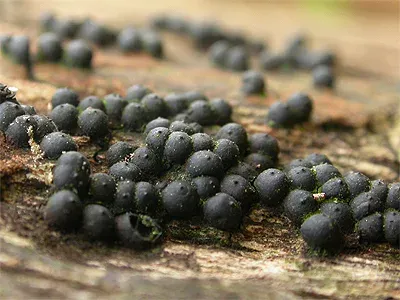
Its biological life cycle involves the formation of perithecia, small black fruiting bodies, on dead plant tissues, which release ascospores to spread the infection to new hosts.
In addition to spore dispersal, the fungus spreads vegetatively by growing mycelial strands through the soil from infected roots to healthy ones, creating patches of dead trees in orchards.
Identification is confirmed by observing the distinctive white mycelial fans beneath the bark of roots and the presence of small, black, pin-head-sized fruiting bodies on affected surfaces.
What it damages
This pathogen attacks a wide range of woody plants, including fruit trees like apples, pears, peaches, as well as grapevines and various woody ornamentals.
The damage starts at the root system, where the fungus causes necrosis and decay of the bark. This eventually starves the host plant of water and nutrients, leading to rapid wilting and tree mortality.
When it appears
The infection is most prevalent during periods of high soil moisture and moderate temperatures, typically during the spring and autumn months.
However, the fungus remains active throughout the year as long as the soil conditions provide enough moisture and organic matter to support its mycelial growth.
Signs of infestation
Infected plants display sudden yellowing of leaves, premature defoliation, and wilting of terminal shoots. Affected trees usually show a rapid decline in health followed by death.
A diagnostic sign is the presence of white, star-shaped or mat-like mycelial colonies under the bark of the root collar, which are often accompanied by a distinct mushroom-like smell.
Control measures
Managing Rosellinia is challenging and primarily relies on strict sanitation and cultural practices. Infected trees must be removed immediately, ensuring the entire root system is cleared from the soil.
- Improve soil drainage to create an unfavorable environment for fungal development.
- Sanitize all gardening tools to prevent transferring spores between healthy and infected sites.
- Avoid replanting susceptible species in soil where the pathogen was previously identified.
- Use certified, disease-free nursery stock to prevent the introduction of the fungus to the field.
Causes diseases · 4
Discussion
No discussions yet — be the first.