
Pycnostysanus azaleae
Pycnostysanus azalea
Description
How to identify
Pycnostysanus azaleae is a specialized pathogenic fungus belonging to the Deuteromycetes group. It primarily targets members of the Ericaceae family, particularly azaleas and rhododendrons, acting as a parasite that inhabits plant tissues.
Systematically, this organism represents the anamorphic stage of a fungus known for forming distinctive sporulating structures. These structures allow the pathogen to survive and spread across both indoor greenhouse environments and outdoor landscapes.
The fungus is highly resilient, capable of persisting in dead plant debris. It disperses through spores that are easily carried by wind, splashing rain, or even human interaction during routine gardening tasks like pruning or watering.
The biological development of the pathogen is closely tied to the host's vitality. Plants stressed by improper cultivation techniques, cold injury, or mechanical damage are significantly more susceptible to colonization by this opportunistic fungus.
Laboratory identification involves microscopic examination of affected shoots. Pathologists look for characteristic dark, bristle-like conidiophores that emerge through the bark, which provides a definitive diagnosis of a Pycnostysanus infection.
What it damages
The primary damage caused by this fungus is the systematic dieback of branches on azaleas and rhododendrons. If left unchecked, the infection progressively weakens the shrub, ultimately leading to the death of major branches or the entire plant.
The pathogen attacks the vascular tissues, effectively blocking the transport of water and nutrients. This disruption leads to stunted growth, deformation of shoots, and a general loss of plant vigor that is difficult to reverse once well-established.
Nurseries and ornamental gardens are particularly vulnerable. High-density planting creates a favorable microclimate for spore germination, allowing the fungus to spread rapidly from a single infected specimen to an entire collection.
By compromising the plant's structural integrity, the fungus also creates entry points for secondary pathogens and wood-boring insects. This makes the overall health decline much more complex to manage than a simple primary infection.
Economic losses are significant, including the cost of chemical treatments, the labor-intensive removal of infected limbs, and the potential loss of high-value specimen plants that require years of careful growth.
Signs of infestation
The earliest symptom is a color change in the bark, which turns grayish or brownish and loses its natural elasticity. This indicates that the underlying tissues are necrotizing and the fungal mycelium has begun to colonize the wood.
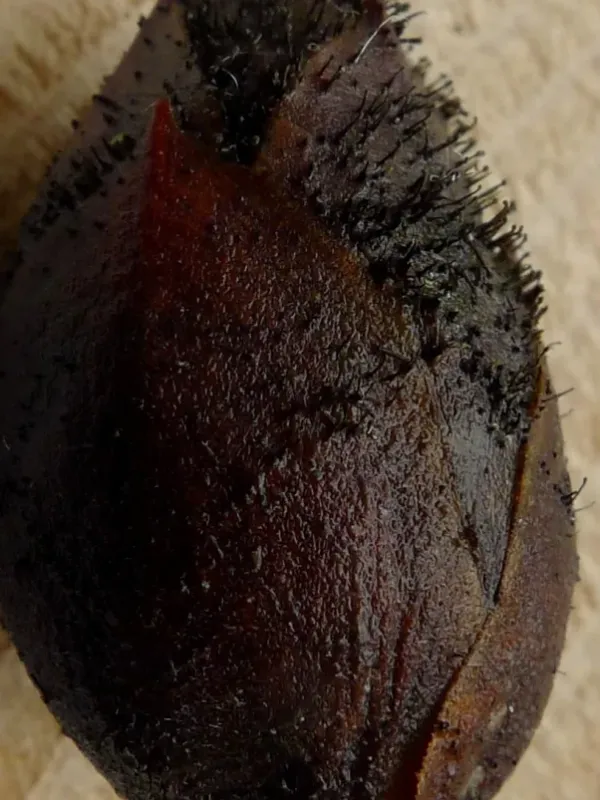
During periods of high humidity, the most distinct sign appears: the formation of black, fuzzy-looking sporulating structures on the surface of the bark. These tufts are clear evidence of the fungus actively producing spores.
Leaves located above the infection site typically turn yellow, curl, and eventually drop off. As the infection progresses, the branch continues to die back toward the main stem, leading to complete structural failure of that part of the plant.
A cross-section of an infected branch reveals darkened wood, which contrasts sharply with healthy tissue. This discoloration confirms that the vascular system is heavily clogged with fungal hyphae, preventing normal metabolic processes.
In advanced stages, the bark may crack and peel away from the wood. The affected branches become brittle and break easily, signaling a long-standing infection that has severely compromised the shrub's physical and aesthetic condition.
Control measures
The cornerstone of management is strict sanitation. All infected shoots must be pruned away, ensuring that cuts are made into healthy, green wood. It is crucial to disinfect pruning tools with a bleach solution or alcohol between every cut to prevent cross-contamination.
All debris from pruning must be destroyed, preferably by burning or sealing it in waste bags. Leaving infected branches on the ground allows spores to survive and re-infect the plants during the next wet season.
Cultivation practices must focus on air circulation and moisture management. Avoid overhead irrigation whenever possible and ensure that the soil has excellent drainage to prevent the stress conditions that favor fungal development.
Chemical control is an effective supplement to sanitation. Fungicides containing copper or systemic agents can be used as a preventative measure or to suppress active infections, following the specific label guidelines for ornamental plants.
- Maintain proper spacing between plants to enhance ventilation.
- Monitor for early signs of necrotic spotting during cool, wet weather.
- Apply mulch to minimize soil-to-leaf contact during rain.
- Use high-quality, certified disease-free nursery stock.
Causes diseases · 1
Discussion
No discussions yet — be the first.