
Description
Symptoms
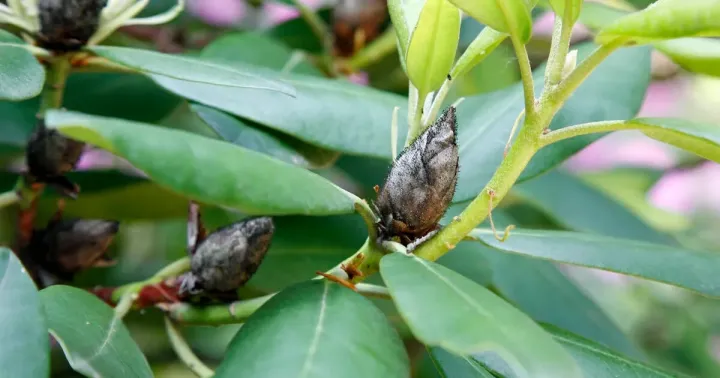
The most prominent symptom is the infection of flower buds. They turn brown or dark gray, cease their development, and eventually wither, remaining attached to the stems.
Close inspection of the dead buds reveals the presence of dark, fuzzy tufts of fungal fruiting bodies. These diagnostic structures are typical for Pycnostysanus azalea infections.
The infection often spreads to stems and twigs, resulting in depressed necrotic lesions. The bark in these areas may crack, and the parts of the branch above the infection site will wilt and die.
Affected plants suffer from a severe loss of aesthetic value, characterized by premature leaf drop, stunted growth, and a complete failure to produce flowers during the blooming season.
- Brown, withered flower buds remaining on stems
- Dark fungal sporulation on infected tissues
- Sunken necrotic spots on branches
- Dieback of stems and twigs
- Premature defoliation
Pathogen
The disease is caused by the fungus Pycnostysanus azalea (synonym Briosia azaleae). This pathogen specifically targets plants belonging to the Ericaceae family, particularly the genus Rhododendron.
The fungus is highly specialized, affecting both wild-growing rhododendrons and cultivated greenhouse or garden azaleas. It causes significant damage to both reproductive and vegetative organs.
The infection persists in infected plant debris, which serves as the primary reservoir for the fungus. It can also be introduced into gardens through contaminated nursery stock.
The life cycle involves the production of conidial spores on the surface of infected tissues. These spores are easily disseminated by water splashes during irrigation, rain, or through the movement of insects.
The pathogen enters the plant through wounds or directly via tender bud tissues. Once inside, the mycelium colonizes the host, causing tissue decay and leading to the characteristic blight symptoms.
Conditions for development
High humidity is the most critical environmental factor promoting the development of Pycnostysanus azalea. Frequent overhead watering or standing water around the root zone accelerates the spread.
Moderate temperatures combined with stagnant air in greenhouses or dense plantings create an ideal microclimate for the rapid growth and sporulation of the fungus.
Crowded planting schemes prevent air circulation, keeping plant surfaces moist for longer periods. This extended wetness is perfect for the germination of fungal spores on plant surfaces.
Wounds caused by pruning, breakage, or pest damage provide easy entry points for the pathogen. Plants weakened by poor cultural practices are significantly more susceptible to infection.
Failure to maintain hygiene, such as leaving infected plant debris on the soil or failing to remove blighted buds, increases the concentration of inoculum in the environment.
Why it matters
The disease severely impacts the ornamental quality of azaleas, often rendering them unsalable in a nursery setting. The loss of buds directly prevents the expected floral display.
Twig blight causes the disruption of the vascular system within the branches. This results in dieback, which necessitates heavy pruning and alters the natural architecture of the shrub.
The disease can become systemic within a collection if left unmanaged, leading to significant economic losses for growers and gardeners alike due to the need for discarding plants.
Chronic infection drains the plant of energy reserves, leaving it vulnerable to secondary infections and making it less resilient to environmental stressors like drought or frost.
If not contained, the blight can eventually reach the main stem, potentially killing the entire plant and leading to a permanent gap in the landscape or collection.
Protection
Prevention focuses on humidity management. Ensuring good air circulation and avoiding overhead watering are essential to keeping the foliage and buds dry.
Sanitation is a critical control measure. All infected buds and blighted twigs should be promptly pruned and destroyed by burning to reduce the amount of inoculum available for further spread.
Chemical control involves the application of fungicides, specifically those rated for ornamental fungal diseases. Timely application upon the first sign of symptoms is crucial.
Tools used for pruning must be disinfected after working on each plant to avoid mechanical transmission of the fungal spores from infected to healthy specimens.
Implementing a strict quarantine for new additions to the collection is highly recommended. Only healthy, symptom-free plants should be introduced into the garden or greenhouse.
Pathogens and affected parts
Affects crops · 1
Discussion
No discussions yet — be the first.