
Mint rust
Puccinia menthae
Mint rust is caused by the obligate fungus Puccinia menthae, which is classified within the Pucciniaceae family. It is a monocyclic pathogen that completes its life cycle on the same host plant, primarily affecting species within the Lamiaceae family.
What the section contains
Mint rust
The fungus is characterized by the production of various types of spores, including urediniospores and teliospores. These structures allow the pathogen to survive adverse conditions and rapidly disseminate via wind and water splashing during the active growing season.
The primary hosts of this pathogen are various Mentha species, including peppermint. The infection affects the leaves, petioles, and stems, leading to severe defoliation and a reduction in the overall vigor of the mint plants throughout the field.
The economic impact is significant, as the infection reduces both the biomass yield and the quality of essential oil extracted from the mint. Damaged leaves lose their market value, making them unsuitable for both fresh herbal markets and industrial processing.
The disease cycle begins in early spring as new shoots emerge, often from infected rhizomes. Optimal conditions for the development of the rust include cool, moist weather, which facilitates spore germination and mycelial growth within plant tissues.
Warm and humid summer months often trigger the rapid spread of secondary infections. The disease can persist throughout the entire season if the microclimate within the crop canopy remains sufficiently humid and temperatures are favorable for the fungus.
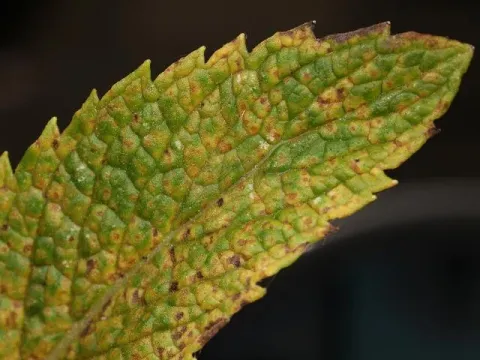
The first symptoms appear as small, bright orange pustules on the underside of the leaves. As the disease progresses, these pustules can enlarge and appear on the stems, causing significant morphological damage and tissue chlorosis.
Advanced stages of the infection lead to leaf drop and stunted growth.
- Small, powdery, orange-brown pustules
- Yellowing of leaf tissue around the infection sites
- Deformation and necrosis of stems
- Premature defoliation
- Dark-brown teliospores appearing late in the season
Sanitation is the most critical control strategy, including the removal and destruction of all infected crop residues after harvest. Growers should avoid using infected rhizomes for propagation, as they serve as the primary source of early-season inoculum.
Field management practices should prioritize adequate spacing between plants to reduce canopy humidity. In cases of severe infestation, registered fungicides may be used, although they must be applied early in the infection cycle to be effective while adhering to pre-harvest intervals.