
Potato leafroll virus
Potato leafroll
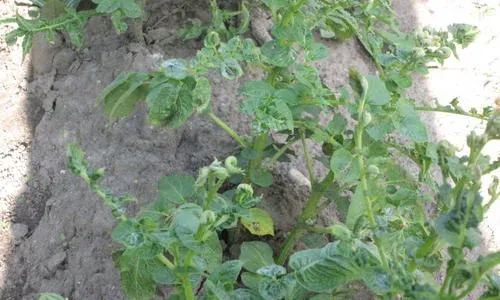
Description
How to identify
Potato leafroll virus (PLRV) is the type species of the genus Polerovirus within the family Solemoviridae. It is a small, non-enveloped virus that contains a single-stranded RNA genome.
The virus is exclusively transmitted by aphids, most notably the green peach aphid (Myzus persicae), in a persistent, circulative manner. It does not replicate within the aphid but circulates through its system.
PLRV is restricted to the phloem tissue of the host plant. This localization prevents cell-to-cell spread through plasmodesmata, requiring insect vectors for systemic transmission.
The virus is not mechanically transmitted by handling or farm tools, which distinguishes it from many other viral pathogens affecting potatoes.
The primary reservoir for the virus is the infected seed potato tuber, which carries the pathogen into the new growing season.
What it damages
The potato plant is the primary economic host for PLRV. The virus interferes with the plant's vascular transport system, disrupting the movement of nutrients from leaves to tubers.
Beyond potatoes, the virus can infect a variety of other solanaceous hosts, including tomatoes, peppers, and wild weeds that act as symptomless reservoirs.
The physiological stress caused by the infection leads to stunted growth, reduced leaf surface area, and severe depletion of starch reserves in the tubers.
In tomato crops, infection can lead to leaf rolling and systemic chlorosis, significantly impacting fruit set and overall yield quality.
The cumulative damage often results in significant economic loss for producers due to the inability to utilize harvested crops for seed propagation.
When it appears
The disease cycle is synchronized with the migration patterns of aphid populations. Primary infection occurs when winged aphids colonize young potato plants during early spring.
Secondary spread occurs throughout the growing season as aphids move between infected and healthy plants, especially during periods of high reproductive activity.
Warmer temperatures accelerate the life cycle of aphids, increasing the rate of transmission and the severity of the outbreak within the fields.
By the end of the season, the virus translocates to the developing tubers, effectively establishing a persistent infection that survives in storage.
The timing of planting can influence disease pressure, as early planting may allow plants to reach a more mature, less susceptible state before the peak aphid migration season.
Signs of infestation
The hallmark symptom is the upward rolling of the leaflets of the upper leaves, which often become stiff, leathery, and brittle to the touch.
Lower leaves may show chlorosis or a pale green appearance, with a distinct tendency to curl upwards, creating a spoon-like or tubular shape.
Tuber symptoms, particularly in certain susceptible cultivars, include net necrosis — the appearance of brown vascular streaks within the flesh of the tuber.
Plants resulting from infected seed tubers are generally smaller, with shortened internodes and a rigid, upright growth habit.
Yield reduction is significant, often reaching 50 to 80 percent, due to the reduction in starch accumulation and impaired translocation of metabolites.
Control measures
The cornerstone of PLRV management is the use of certified, virus-tested seed potatoes to ensure that the initial crop population is clean.
Strict roguing of symptomatic plants early in the season is vital to remove potential sources of inoculum for the aphid population.
Systemic insecticides are employed to manage aphid vectors, specifically targeting the early stages of infestation to prevent the virus from being transmitted.
Field isolation and the removal of solanaceous weeds around potato production areas are essential to minimize the secondary movement of the virus.
- Utilizing cultivars with natural resistance to PLRV.
- Implementing integrated pest management (IPM) to monitor aphid populations.
- Early harvest to minimize the time the virus has to translocate into tubers.
Causes diseases · 1
Discussion
No discussions yet — be the first.