
Potato tuber deformation
Potato deforming
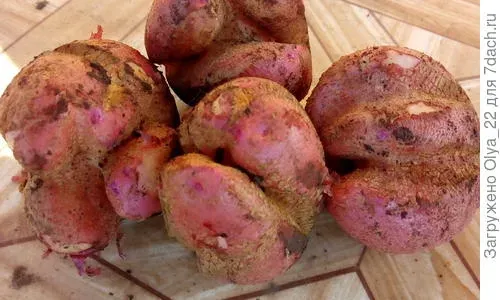
Description
How to identify
Potato tuber deformation is a physiological or pathological condition often caused by viral infections, such as Potato Leafroll Virus (PLRV) or Potato Virus Y (PVY). These viruses act as obligate intracellular parasites that interfere with plant metabolism.
The primary transmission mechanism is through insect vectors like aphids and leafhoppers, which spread pathogens from infected to healthy plants. Viral particles can also be introduced via infected seed tubers, leading to systemic infection.
Deformation occurs because viruses disrupt the plant's vascular system, hindering the normal transport of nutrients to developing tubers. This leads to uneven tuber growth, resulting in knots, cracks, or extreme bumpiness.
Viral infection is particularly persistent; once a potato line is infected, the virus accumulates in subsequent generations, leading to a phenomenon known as seed degeneration, where yields decline significantly.
While environmental stressors like heat and drought can exacerbate the appearance of tubers, the underlying cause is typically the presence of a viral agent that forces the plant into abnormal development cycles.
What it damages
Deformation significantly impacts the quality and marketability of potatoes. Tubers with irregular shapes, bumps, or deep cracks are often rejected by retailers and consumers, leading to substantial economic losses.
In addition to cosmetic issues, deformed tubers often exhibit reduced nutritional value and poorer storage quality. They are prone to secondary infections, such as soft rot, which enter through skin abrasions.
Yield loss is severe in cases of high viral pressure. Infected plants are less vigorous, develop smaller canopies, and produce fewer, smaller, or malformed tubers compared to healthy plants in the same field.
Processing industries face difficulties with deformed potatoes, as they are harder to peel and prone to internal defects like necrosis, making them unsuitable for chipping or crisp production.
Long-term damage includes the contamination of the soil and seed stocks, which forces farmers to invest in costly replacements and intensive chemical protection programs to keep the virus in check.
Signs of infestation
The most prominent sign is a structural abnormality where the tuber appears elongated, knobby, or dumbbell-shaped. The skin may become leathery or rough due to irregular cell expansion.
Above-ground symptoms include leaf rolling (upward curling), mosaic patterns, and chlorosis on the leaves. Plants often exhibit stunted growth and shortened internodes, giving them a compact appearance.
Internal examination of a deformed tuber often reveals browning or necrosis of the vascular rings. This indicates a severe disruption of nutrient translocation caused by systemic viral infection.
An infected field often shows uneven growth patterns, with some patches appearing sickly or yellowed early in the season. These symptoms are typical indicators of systemic viral spreading.
- Tuber shape distortion (knobs or dumbbell shapes).
- Upward curling or "cupping" of leaves.
- Mosaic patterns on foliage.
- Internal vascular necrosis.
Control measures
The foundation of effective control is the exclusive use of certified, virus-free seed tubers. This prevents the introduction of pathogens into the farm's soil and environment.
Proactive pest management is essential. Utilizing insecticides to control aphid populations significantly reduces the rate at which viruses are spread throughout the field during the growing season.
Implement strict phytosanitary measures, including the roguing (removal) of symptomatic plants as soon as they are identified. This prevents the spread of the virus to nearby healthy plants.
Maintain proper crop rotation cycles. Avoid planting potatoes in the same ground frequently and clear away volunteer potatoes and weeds that can host both the viruses and their insect vectors.
Select potato varieties that demonstrate genetic resistance or tolerance to local viral strains, as this reduces the reliance on intensive chemical interventions and ensures a more stable yield.
Causes diseases · 1
Discussion
No discussions yet — be the first.