
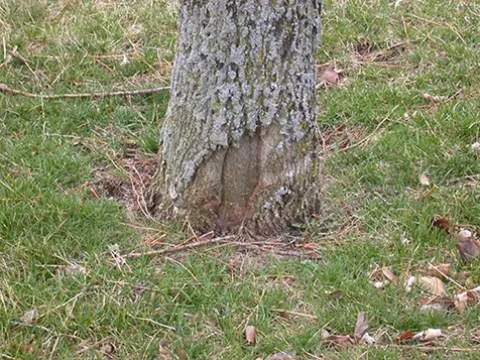
Mechanical injuries of plants
Plants injured
Mechanical injuries of plants refer to the physical disruption of plant tissues caused by external forces. While they are not biotic pathogens, they act as primary infection entry points, facilitating the colonization of plants by fungi, bacteria, and viruses.
What the section contains
Mechanical injuries of plants
These injuries include cuts, bruises, fractures, bark damage, and root trauma. Each injury breaches the plant's protective surface, exposing the nutrient-rich inner tissues to the environment, where opportunistic pathogens reside.
Identifying these injuries involves inspecting the plant for visible wounds, broken limbs, or severed roots. It is crucial to distinguish between fresh wounds, which are highly susceptible to infection, and older ones that may already be healing.
The triggers for such damage vary widely, ranging from poor agricultural practices and improper pruning to extreme weather conditions like hail, high winds, or heavy rainfall that causes lodging and stem breakage.
Phytopathologists emphasize that these physical breaches bypass the plant’s natural exterior defenses, such as the cuticle or thick bark, allowing pathogens to bypass the initial recognition phase of plant immunity.
Injuries can affect any part of the plant, including roots, stems, leaves, and fruit. Damage to the vascular system is particularly dangerous, as it disrupts the flow of water, nutrients, and photosynthates, causing systemic stress.
A broad range of crops is affected by mechanical trauma. For instance, in cereal crops, soil cultivation machinery can damage roots, while in orchards, improper pruning is the leading cause of chronic infection sites.
Injured roots have a diminished capacity to absorb water and minerals. This makes the plant significantly more vulnerable to soil-borne pathogens, such as Fusarium or Pythium, leading to root rot and wilting.
Fruits and vegetables suffer immense losses due to mechanical damage during harvesting or transport. Minor scratches on the skin of produce serve as entry points for post-harvest rots like Botrytis or Rhizopus.
Long-term damage often manifests as cankers or stem necrosis. When a tree fails to heal a wound, it can become a permanent site for perennial pathogens, eventually compromising the tree's structural integrity.
The risk of mechanical injury is highest during active growing seasons when plants are more delicate. Spring pruning and planting activities are common times when human-induced wounds occur frequently.
Summer presents risks from sudden weather events. Thunderstorms, hail, and high winds can cause widespread damage to foliage and fruit, creating thousands of entry points for opportunistic pathogens simultaneously.
Autumn harvesting is a high-risk period, especially for tuberous and root crops. Even minor bruising during mechanized digging creates favorable conditions for fungal decay that can spread rapidly throughout the storage facility.
Winter injury, often caused by frost cracking, leaves open wounds that become active infection sites during the following spring. These wounds often lead to early-season fungal infections before the plant has fully awakened.
Overall, the correlation between high humidity and mechanical wounds is strong. Moist conditions keep the wounds open and provide the necessary moisture for fungal spores to germinate and colonize the tissue.
The first sign of infection through a wound is localized tissue darkening or discoloration. This color change often marks the margin where the pathogen is colonizing the healthy tissue.
The development of ulcers or oozing spots is a secondary indicator. On many plants, this is accompanied by bacterial exudate or fungal sporulation, which appears as visible growth on the surface of the wound.
Wilting of distal plant parts is a common symptom when vascular tissues have been damaged or compromised by systemic infection. This indicates that the plant is unable to provide water to the affected branch or fruit.
The formation of abnormal tissue (callus) is a natural defense, but if it is irregular or lumpy, it may indicate that a pathogen is interfering with the plant's attempt to seal the wound properly.
- Tissue browning or necrosis at the wound site
- Fungal sporulation or bacterial slime
- Wilting of leaves or shoots above the wound
- Gummosis or sap leakage
Proactive management is the most effective approach. Using sharp, clean tools for all pruning and harvesting operations minimizes ragged wounds, which heal much faster than rough or torn tissue.
Disinfection of tools is critical. Using solutions like 70% ethanol or copper-based sprays between different plants prevents the mechanical transfer of viruses or pathogens from diseased plants to healthy ones.
Wound dressing is recommended for large cuts or branch removals. Applying a protective sealant like horticultural wax or grafting paste creates a barrier against environmental pathogens and moisture until the plant can heal.
Following extreme weather events, such as a hailstorm, applying systemic fungicides can prevent secondary infections in the damaged tissue by protecting the exposed surfaces during the critical 24–48 hour healing window.
General plant health, including optimal fertilization and water management, allows the plant to produce a rapid callusing response. A vigorous plant can effectively seal its own injuries, thereby reducing the need for intensive chemical controls.