
Meliola
Meliola
Description
How to identify
Meliola is a genus of microscopic fungi belonging to the order Meliolales. These are obligate epiphytic parasites that live on the surface of plant tissues without penetrating deep into the internal cells.
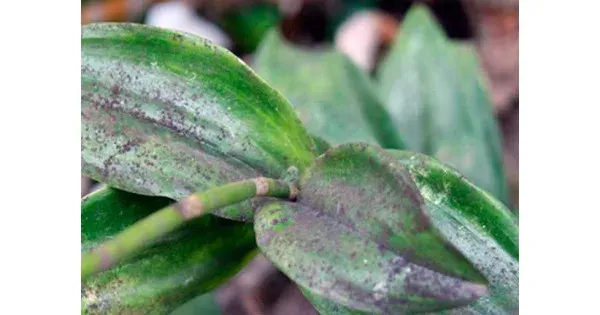
Visually, the fungus is identified by the formation of dense, black, velvety spots or coatings on the leaves, which resemble soot or coal dust. These colonies adhere strongly to the plant cuticle.
The fungus produces an extensive network of dark mycelium, characterized by specialized attachment organs known as hyphopodia, which anchor the fungus to the leaf surface.
Reproduction occurs through the formation of fruiting bodies called perithecia, appearing as minute black dots scattered across the affected surface. Spores are primarily dispersed by wind and water splashes.
Taxonomically, Meliola species are distinct from common sooty molds (Capnodiaceae) as they are true parasites, deriving nutrients directly from the host plant rather than feeding on insect secretions.
What it damages
Meliola primarily infects woody plants, shrubs, and vines in tropical and subtropical regions. It poses a significant threat to ornamental species and certain tropical crops.
Host plants include members of the Fabaceae and Lauraceae families, as well as palms, coffee trees, and various citrus species. Damage is mostly visible on leaves but can extend to shoots and fruits.
The primary damage caused by Meliola is the inhibition of photosynthesis. The dense black mycelial film blocks sunlight, reducing the energy production and overall metabolic efficiency of the host.
Weakened plants show reduced growth rates and may experience premature leaf drop, making them more susceptible to secondary environmental stresses or other pathogens.
For ornamental plants, the aesthetic damage is severe, as the dark, crusty appearance of the leaves ruins their ornamental value and marketability.
When it appears
The development of Meliola is heavily dependent on high relative humidity and warm temperatures. These conditions are essential for successful spore germination and colony establishment.
The disease spreads most aggressively during rainy seasons, periods of persistent fog, or in areas with poor air circulation where moisture lingers on the foliage for extended periods.
In greenhouse or indoor conditions, the fungus can persist and grow year-round if humidity remains high and ventilation is inadequate, creating a cycle of constant reinfection.
The life cycle coincides with the active growing season of the host plant, and the inoculum can accumulate over successive years if debris is not managed correctly.
Wind and water are the primary vectors for spore dissemination; consequently, dense plantings facilitate rapid transmission across the entire nursery or garden.
Signs of infestation
Initial symptoms consist of small dark spots that gradually enlarge and coalesce, eventually forming extensive black crusts on the upper surface of the leaves.
The coating has a distinct velvety texture; it is dry and firmly attached to the cuticle, differentiating it from superficial debris that can be easily washed away.
Microscopic inspection reveals branched, dark-brown hyphae forming a complex, net-like pattern, which is a diagnostic feature for the genus Meliola.
In advanced stages of infection, chlorosis may occur in tissues located directly beneath the fungal colonies due to persistent shade and metabolic suppression.
The presence of tiny, black, flask-shaped perithecia within the fungal mats indicates active sporulation and high potential for further spread to adjacent healthy tissues.
Control measures
Cultural management is the most effective approach. Improving airflow and sunlight penetration through selective pruning is vital to keep foliage dry and inhibit fungal growth.
Sanitation is crucial; removing and destroying severely infected leaves or branches helps reduce the local inoculum density significantly.
Chemical control involving copper-based fungicides or sulfur-based treatments can be used as a preventative or curative measure to suppress surface mycelial growth.
Regular monitoring of plants, especially in high-humidity environments, allows for the early detection and management of the pathogen before it covers large surface areas.
Ensuring optimal plant spacing prevents the creation of microclimates favorable for the fungus, which is particularly important in commercial horticultural operations.
Causes diseases · 1
Discussion
No discussions yet — be the first.