
Maracuja mosaic
Maracuja mosaic
Maracuja mosaic virus (MaMV) is a plant pathogenic virus classified within the genus Tobamovirus and the family Virgaviridae. It is characterized by rod-shaped virions containing a single-stranded RNA genome.
What the section contains
Maracuja mosaic
Tobamoviruses are known for their high stability and ability to persist in soil and crop debris for extended periods. This resilience makes the management of the Maracuja mosaic virus particularly challenging in field conditions.
The primary host for this virus is the passion fruit vine (Passiflora edulis). The virus is highly systemic, spreading throughout the plant’s vascular system after initial infection.
Ornamental passion flower species can also act as reservoirs for the virus. The systemic nature of the infection ensures that once a plant is colonized, it remains a source of inoculum for the duration of its life cycle.
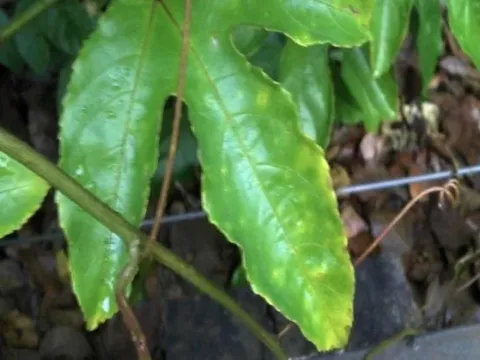
The most common symptom is a prominent mosaic pattern on the leaves, characterized by alternating shades of light and dark green. Affected leaves often exhibit distortion, stunted growth, and vein banding.
Severe infections lead to the chlorosis of new shoots and a general decline in plant vigor. This results in reduced flowering, poor fruit set, and overall weakening of the passion fruit vine.
The fruit produced by infected plants is typically small, misshapen, and commercially unacceptable. Economic losses are significant due to decreased yield and the lower quality of the remaining produce.
Since there are no chemical pesticides to cure viral infections, control efforts must focus on strict phytosanitary practices to prevent the spread of the pathogen.
- Utilizing clean, virus-indexed propagation material to establish new plantations.
- Implementing rigorous sanitation protocols, including the disinfection of pruning tools with bleach or alcohol.
- Prompt roguing and destruction of symptomatic plants to eliminate the source of infection.
- Managing surrounding weed populations that may harbor the virus.
- Ensuring that workers wash their hands and equipment thoroughly when moving between different planting areas.