
Phaeosphaeria leaf spot
Phaeosphaeria maydis
Phaeosphaeria maydis is an ascomycete fungus that causes phaeosphaeria leaf spot in maize. It is a specialized phytopathogen that thrives in humid, temperate environments where corn is grown continuously.
What the section contains
Phaeosphaeria leaf spot
The fungus completes its life cycle by forming perithecia on overwintered maize debris. The anamorph stage, formerly known as Phoma maydis, plays a significant role in the spread of secondary inoculum during the growing season.
At the microscopic level, the fungus is characterized by small, embedded pycnidia. These structures protect the spores and allow them to survive short-term unfavorable conditions until humidity levels rise.
Dissemination occurs primarily through splashing rain and wind-blown aerosols. Once spores land on susceptible host tissue, they penetrate the epidermis and begin to colonize the leaf cells.
Correct identification of this organism is essential for integrated pest management, as it is often mistaken for other common corn leaf blights, requiring specific scouting techniques.
The primary host for Phaeosphaeria maydis is Zea mays. The pathogen specifically targets the foliage, which is vital for the photosynthetic capacity of the plant.
By damaging the leaves, the pathogen restricts the plant's ability to transport carbohydrates to the developing ear, leading to significant yield losses in grain weight and quality.
In cases of severe infestation, the disease progresses upwards through the plant canopy, causing extensive necrosis of the leaves before the physiological maturity of the corn.
This rapid loss of green leaf area stresses the plant, making it more susceptible to lodging and colonization by opportunistic stalk rot fungi, which further complicates harvest.
The economic impact of the disease is most pronounced in high-density fields where microclimate conditions, such as high humidity, favor rapid pathogen development.
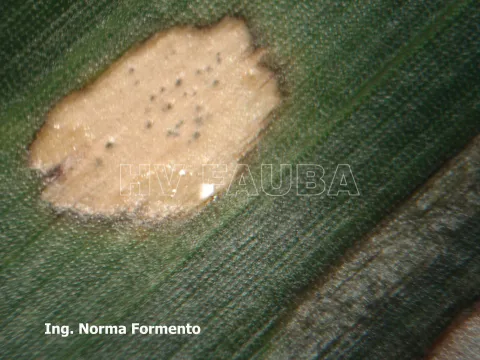
Symptoms initially appear as small, chlorotic, circular to oval lesions that gradually expand and turn light brown or tan in color with a dark border.
A distinctive feature of the disease is the presence of minute black pycnidia scattered within the necrotic tissue. These are visible to the naked eye or with a hand lens and confirm the identity of the pathogen.
As the infection advances, the lesions coalesce, resulting in large, irregular necrotic patches that cause the leaf to turn yellow and eventually die.
- Presence of small chlorotic spots on the lower foliage.
- Development of tan-colored lesions with dark edges.
- Visible black pycnidia embedded in the lesion centers.
- Gradual upward spread of leaf necrosis.
- Overall weakening of the plant during the grain-filling stage.
The disease usually starts at the bottom of the plant, where moisture remains trapped in the canopy, and progresses upward as the season continues.
Crop rotation is the most effective cultural practice to manage Phaeosphaeria maydis. Rotating maize with non-host crops helps to reduce the survival of the pathogen in the soil.
Tillage practices that bury infected crop residue accelerate the decomposition process, thereby reducing the amount of primary inoculum available for the next season.
Planting resistant or tolerant corn hybrids is the foundation of a successful management program. Genetic resistance provides the most reliable protection against leaf spot diseases.
Fungicide applications may be necessary in high-pressure years or in susceptible hybrids. Timing the application to coincide with the early stages of disease development is critical for success.
Field scouting should focus on the lower canopy to detect the first signs of the disease, allowing for timely intervention and minimizing the need for extensive chemical treatments.