
Papaya mosaic
Papaya mosaic
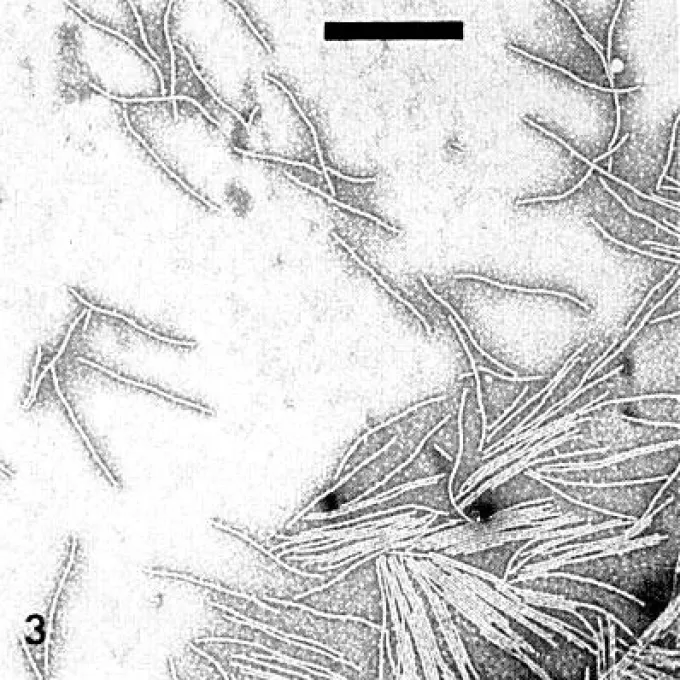
Description
How to identify
Papaya mosaic virus (PapMV) is a viral pathogen belonging to the genus Potexvirus within the family Alphaflexiviridae. It is a filamentous, non-enveloped virus containing a positive-sense single-stranded RNA genome.
The virus is primarily transmitted through mechanical contact, such as contaminated pruning tools, clothing, or direct plant-to-plant rubbing in high-density fields. It is remarkably stable in the field environment.
As an obligate parasite, PapMV relies entirely on the machinery of the host cell to replicate its RNA genome and produce viral proteins. It causes systemic infection throughout the plant tissues.
Unlike some other papaya viruses, PapMV is not typically insect-borne in the traditional sense, making mechanical transmission the primary focus of field hygiene and sanitary management.
Diagnosis usually requires laboratory testing, such as ELISA or RT-PCR, to distinguish PapMV from other viruses that induce similar chlorotic symptoms in Carica papaya and other hosts.
What it damages
The primary host for this pathogen is papaya (Carica papaya). Systemic infection affects the vascular tissues, causing physiological stress that hinders the normal development of the plant.
Besides papaya, the virus can infect other species, including various weeds and ornamental plants, which may serve as asymptomatic reservoirs of the virus in the surrounding environment.
The damage manifests as a significant reduction in photosynthetic capacity, which leads to stunted growth, reduced leaf area, and overall weakness of the plant, making it susceptible to secondary stressors.
Yield loss is significant, as infected plants produce fewer fruits, and the fruit that is produced is often of poor quality, undersized, or deformed, rendering it commercially unviable.
Economic losses are compounded by the necessity of roguing (removing) infected plants, which reduces the plant population density and total production volume per hectare.
Signs of infestation
Symptoms often start as a faint mosaic pattern on younger leaves, characterized by alternating patches of light and dark green. As the infection progresses, leaves may become distorted, crinkled, or filiform (thread-like).
Streaking or oily-looking stripes often appear on the stems and leaf petioles. These symptoms are indicative of virus movement through the phloem and local cellular damage.
The apical meristem growth is frequently inhibited, resulting in a stunted appearance with a "rosette" of distorted, small leaves at the top of the trunk.
Fruits may exhibit water-soaked ringspots or general bumps and irregularities on their surface. This internal and external damage destroys the quality of the harvest.
- Chlorotic mosaic on leaf blades
- Leaf distortion and shoestring symptoms
- Water-soaked streaking on stems
- Ring-like spots on developing fruit
- Stunted plant height and reduced internodes
Control measures
The most effective strategy is a strict phytosanitary program. Infected plants must be identified early, removed, and destroyed to eliminate the primary source of the inoculum.
Rigorous sanitation of all agricultural tools is essential. Pruning shears and harvesting knives should be disinfected between plants using appropriate chemical solutions to prevent transmission.
Establishing new plantations away from infected areas is crucial. Maintaining a weed-free buffer zone around the farm helps reduce potential viral reservoirs in the local flora.
Currently, the use of certified virus-free planting material is the primary recommendation. Genetic breeding programs continue to search for higher levels of resistance within the germplasm.
Integrated pest management to reduce secondary wounding of plants by insects or manual labor helps decrease the number of infection entry points on the host plants.
Causes diseases · 1
Discussion
No discussions yet — be the first.