
Ovulinia azaleae
Ovulinia azaleae
Description
How to identify
Ovulinia azaleae is a specialized fungal pathogen belonging to the Ascomycota phylum. It is the sole causal agent of azalea petal blight, a disease that targets the flowers of Rhododendron species, including evergreen and deciduous azaleas.
The fungus overwinters as small, hard, black structures called sclerotia, which develop on infected flowers that have fallen to the ground. In the spring, these sclerotia produce small, cup-shaped fruiting bodies known as apothecia.
Apothecia release airborne ascospores that initiate the infection on newly opened flowers. Once established, the fungus produces masses of secondary spores called conidia on the infected tissues, allowing for rapid disease spread during the flowering season.
Microscopic identification is based on the presence of these characteristic apothecia emerging from the decaying floral debris. Due to its soil-borne nature, the pathogen remains a persistent threat to rhododendron plantings for many years.
Environmental conditions play a critical role in its development. The pathogen thrives in high-humidity environments and moderate temperatures, which are necessary for spore germination and infection establishment.
What it damages
The primary hosts for Ovulinia azaleae are members of the genus Rhododendron. The disease exclusively attacks the petals, causing them to rapidly wither and fall, which completely ruins the ornamental value of the plants.
Initial signs of damage are small, water-soaked spots on the petals that quickly coalesce. Within 24 to 48 hours, the entire flower can collapse into a slimy, brown, necrotic mass, significantly impacting the commercial quality of azaleas.
While the pathogen does not directly kill the vegetative parts of the plant, the sudden and total loss of flowers is devastating for nurseries, landscape designers, and gardeners. The accumulated inoculum in the soil poses a severe risk for subsequent years.
Secondary colonization by opportunistic molds frequently occurs on the blighted petals, accelerating the decay process and producing a foul smell, which further degrades the appearance of the garden.
Repeated annual infections can lead to the long-term decline of the host plants, as the constant loss of reproductive effort stresses the bushes and may impede their overall vigor over several seasons.
Signs of infestation
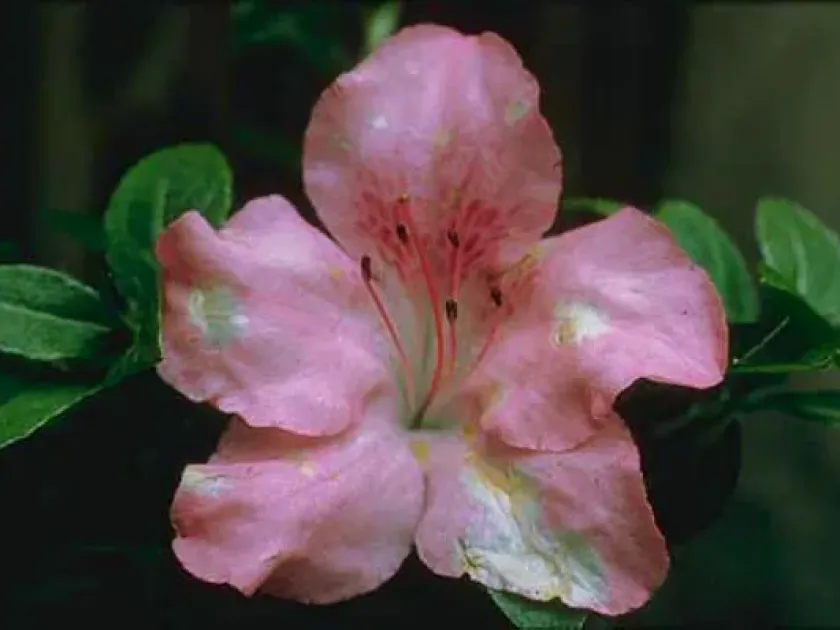
The first symptoms appear as small, white to grayish circular spots on the petals. These spots rapidly enlarge and change color to light brown or dark tan, reflecting the progression of the fungus through the tissues.
A distinct sign of infection is the loss of petal turgor. The petals become limp and watery, often adhering to the leaves or branches as they decay and dry out into a thin, paper-like mass.
Under humid conditions, a grayish powdery layer of conidia becomes visible on the surface of the blighted petals. This spore mass serves as the primary source for further infection of neighboring flowers during rainy days.
In the final stages, the remnants of the flower harden into sclerotia, which eventually drop to the ground. These are often difficult to spot as they blend in with the soil or mulch beneath the shrubs.
The speed of symptom development is a key diagnostic feature. A healthy, fully bloomed bush can be entirely destroyed in as little as two to three days under wet, warm weather conditions.
Control measures
Sanitation is the cornerstone of managing Ovulinia azaleae. Gardeners must meticulously collect and remove all fallen or blighted flowers before they can form sclerotia, effectively reducing the inoculum load for the next spring.
Preventative fungicide applications are necessary, starting just as the flower buds begin to show color. Systemic fungicides such as triazoles or multi-site inhibitors are typically used to protect the blooms from initial infection.
It is essential to rotate fungicide classes to avoid the development of fungal resistance. Regular treatments should continue throughout the blooming period, especially during stretches of wet or overcast weather.
Improving the environment is also vital; providing good air circulation through proper pruning and ensuring that water is applied to the soil rather than overhead will significantly reduce the chances of spore germination.
- Apply fresh mulch under bushes to bury existing sclerotia and prevent spore release.
- Avoid overhead irrigation, which mimics rainfall and promotes spore dispersal.
- Inspect new plants carefully for symptoms before introducing them into the garden.
- Use professional fungicides compliant with local agricultural regulations for ornamental plants.
Causes diseases · 1
Discussion
No discussions yet — be the first.