
Loranthus
Loranthus
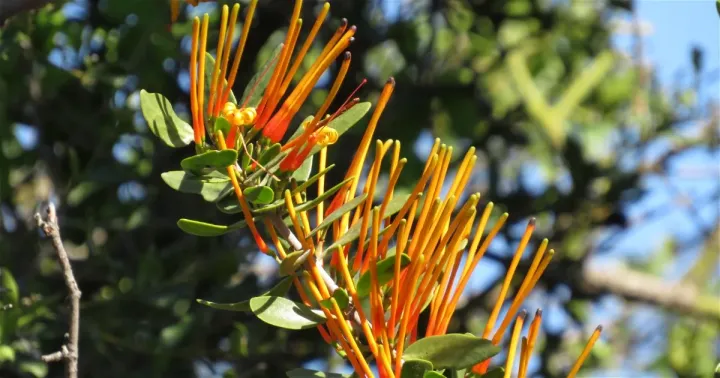
Description
How to identify
Loranthus is a genus of parasitic shrubs belonging to the Loranthaceae family. These plants are hemiparasites, meaning they perform photosynthesis but derive water and essential mineral nutrients from their host trees through specialized root-like structures called haustoria, which penetrate the host's bark and xylem.
What it damages
The host range of Loranthus includes a variety of broad-leaved trees, such as oaks, beeches, walnuts, and numerous fruit-bearing species. By diverting vital resources away from the host, the parasite weakens the tree's overall vigor. Over time, heavy infestation can lead to branch dieback, stunted growth, and increased susceptibility to drought or secondary diseases.
When it appears
The life cycle is heavily dependent on avian dispersal, as birds consume the sticky berries and transfer seeds to new host branches. Germination typically occurs during the spring and summer months when weather conditions are favorable. Once the seed adheres to the branch, it develops a haustorium that anchors the plant and initiates long-term parasitism.
Signs of infestation
Identifying Loranthus is straightforward: look for evergreen, bushy clumps that appear distinct from the host tree's foliage. The leaves are typically leathery, entire, and oppositely arranged. During the fruiting stage, the presence of small, colorful berries makes the parasite highly visible within the canopy, especially on deciduous trees during the dormant season.
Control measures
Management centers on the physical removal of infested branches. When pruning, it is critical to cut well below the point of attachment to ensure the entire haustorial system is removed, as any remnants can facilitate regrowth. Furthermore, maintaining tree health through proper fertilization and irrigation reduces the tree's vulnerability to such opportunistic parasitic colonizers.
Causes diseases · 1
Discussion
No discussions yet — be the first.