
Hop latent virus
Hop latent
Hop latent virus (HLV) is a plant virus belonging to the genus Carlavirus within the family Betaflexiviridae. Its name stems from the fact that it often infects plants without causing visible symptoms, remaining in a latent state for extended periods.
What the section contains
Hop latent virus
The virus consists of filamentous particles containing single-stranded RNA. It is globally distributed across major hop-growing regions, making it one of the most prevalent viral threats to the industry.
HLV is found wherever Humulus lupulus is commercially cultivated. Its primary method of introduction into new areas is through the distribution of infected rootstocks and plant cuttings.
In the field, the virus is transmitted mechanically through contaminated tools during pruning or harvesting, as well as via insect vectors such as aphids that feed on the sap of the host plants.
Due to its asymptomatic nature, field identification is challenging, necessitating the use of specialized laboratory testing such as ELISA or PCR to confirm the presence of the pathogen.
The primary host for HLV is the common hop. However, the virus can also infect other members of the Cannabaceae family, which serves as a reservoir for the pathogen near commercial production sites.
While often described as "latent," HLV infection can lead to a decline in alpha-acid content in hop cones, which directly impacts the brewing quality and overall market value of the crop.
When HLV occurs in mixed infections with other hop viruses, such as Hop mosaic virus, it can exacerbate the symptoms, leading to significant plant stunting, chlorosis, and reduced cone yields.
The long-term impact on plantations includes a gradual decline in the vigor and longevity of the hop yards, leading to decreased productivity over the lifespan of the plant.
Yield losses can be significant, ranging from 10% to 20% in heavily infected yards, depending on the specific hop cultivar and the presence of other environmental stress factors.
The virus cycle is intrinsically linked to the hop growing season. During spring, as sap flow initiates, the virus moves systemically through the vascular tissues of the developing bine.
As the growing season concludes in autumn, the virus moves into the rhizomes of the plant, where it persists and successfully overwinters, ensuring the infection survives until the following spring.
Transmission during the summer months is highly dependent on the activity of aphid vectors. Population peaks of these insects coincide with the periods when the virus spreads most rapidly across the yard.
Warm and humid weather conditions favor the development of insect vectors, thereby increasing the risk of secondary transmission and the spread of the virus to previously healthy plants.
Without active vector control, the proportion of infected plants in a yard can increase exponentially over consecutive growing seasons.
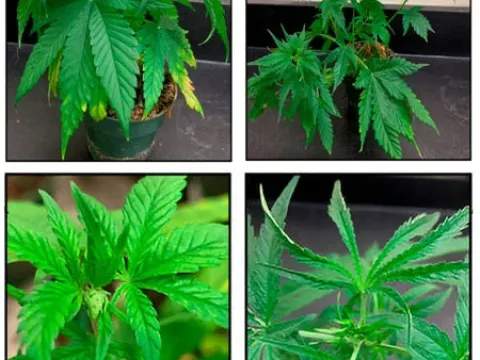
Symptoms of HLV infection are rarely observed in the field. Infected plants usually appear normal, exhibiting standard growth patterns and foliage color throughout the entire season.
On rare occasions, sensitive cultivars may show very mild mosaic or slight leaf deformation, but these are often overlooked or misattributed to abiotic stress by growers.
The lack of clear visual signs makes the virus difficult to monitor. Asymptomatic carriage is a defining characteristic of HLV, which allows the virus to spread undetected for years.
The only reliable indicators are subtle reductions in plant vigor and performance, as well as laboratory-confirmed chemical imbalances in the harvested cones.
- Lack of distinct visual symptoms.
- Gradual reduction in overall plant vigor.
- Altered chemical profiles in hop cones.
- Positive identification via ELISA or RT-PCR.
The most effective strategy for managing HLV is the exclusive use of certified, virus-free planting material derived from meristem culture and rigorous screening programs.
Strict management of aphid populations is essential to reduce the transmission rate of the virus between plants. Regular monitoring and targeted insecticidal applications are critical components of the control program.
Sanitation practices are vital; tools used for pruning and training should be disinfected regularly to prevent mechanical transmission of the virus from infected to healthy bines.
If HLV is detected, rogueing (removing and destroying) infected plants is necessary to prevent them from acting as a source of inoculum for the rest of the plantation.
Continuous monitoring through molecular diagnostic testing allows growers to manage the infection status of their yards and make informed decisions regarding crop rotation and replanting.