
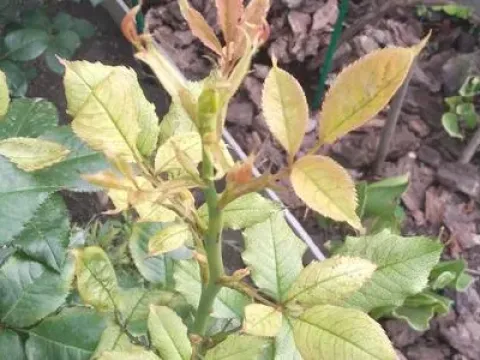
High-phosphorus soil
High-phosphorus soil
High-phosphorus soil is recognized in agronomy as an abiotic stress factor that disrupts plant nutrient uptake. Excess phosphorus (P) in the soil creates chemical complexes that lock out essential micronutrients.
What the section contains
High-phosphorus soil
Systematically, this condition is categorized as a nutritional disorder. When phosphorus concentrations exceed the threshold for specific crops, it effectively creates a physiological block in the rhizosphere.
The identification process relies on soil testing using standard agronomic protocols like the Olsen or Bray methods. Lab analysis is the only accurate way to confirm phosphorus toxicity.
Diagnosis in the field is challenging because the symptoms closely mimic micronutrient deficiencies, such as zinc or iron deficiency. Agronomists must check past fertilizer application records.
A history of prolonged phosphorus-based fertilization without adequate removal by harvested crops is a primary indicator that a soil may be suffering from phosphorus accumulation.
The damage is most severe for sensitive crops like tomatoes, peppers, and various legumes. High phosphorus levels lead to an inability of the roots to absorb vital minerals, despite their presence in the soil.
This creates a cycle of chronic physiological stress. The roots become stunted and ineffective, limiting the plant's ability to withstand drought or minor environmental fluctuations.
In cereal crops, phosphorus excess leads to accelerated senescence. The plants reach maturity too quickly, resulting in lower grain quality and a significant reduction in overall yield.
Greenhouse environments are particularly prone to this issue due to intensive fertilization programs. High phosphorus levels in growth media can halt plant growth entirely in early stages.
The final produce often shows signs of poor quality, including altered sugar content and reduced shelf life, making the yield less viable for market or storage purposes.
Interveinal chlorosis is the most common sign, caused by the plant's inability to absorb zinc and iron due to the antagonistic effect of high phosphorus in the soil solution.
Stunted growth and shorter internodes are frequent visual markers. The plants appear hardened and brittle, often displaying a rigid, unnatural growth structure despite being well-watered.
Necrotic leaf margins, resembling burning, occur as the plant fails to maintain the correct internal chemical balance. These areas turn brown and dry up, starting from the leaf tips.
Premature leaf drop is a stress response. As the plant loses access to critical nutrients, it sacrifices older leaves to redirect energy to the terminal buds, leading to early defoliation.
Root system decline is also evident; roots lose their branching efficiency and often show a brownish, unhealthy appearance, which inhibits the uptake of water and mobile nutrients.
The primary control measure is to cease all applications of phosphorus fertilizers immediately. A comprehensive soil test is required to determine the baseline and plan for future recovery.
Foliar application of chelated micronutrients, such as zinc or iron, acts as a temporary relief measure, allowing plants to bypass the blocked soil uptake mechanism and receive nutrients directly.
Adjusting soil pH can help manage phosphorus availability. Depending on the soil type, specific soil amendments can alter the chemical binding of phosphorus, reducing its toxicity.
Crop rotation with high-phosphorus-demanding plants, such as corn or certain forage grasses, is an effective biological strategy to mine the excess phosphorus from the soil over time.
Incorporating organic matter through compost or cover crops improves soil structure and microbial activity, which helps stabilize phosphorus and facilitates a more balanced nutrient release.