
Grovesinia pyramidalis
Grovesinia pyramidalis
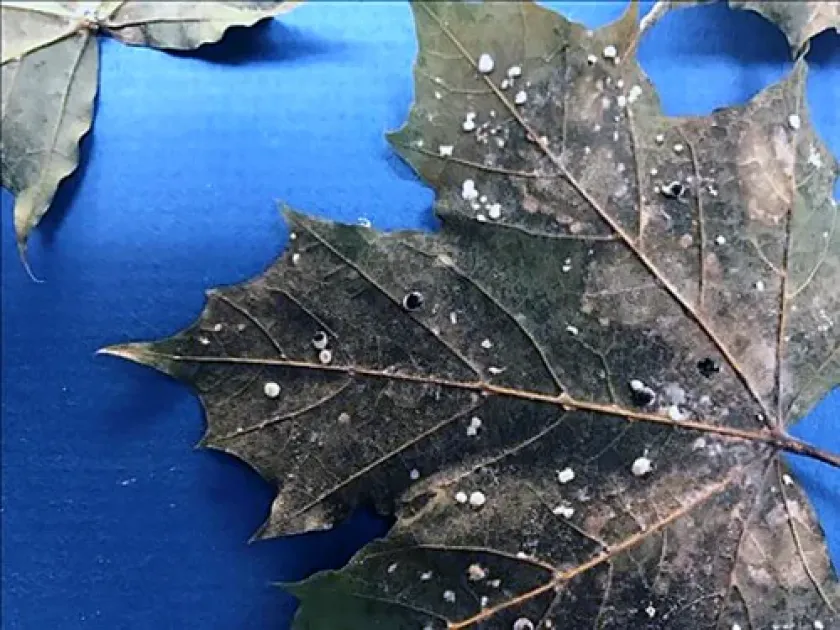
Description
How to identify
Grovesinia pyramidalis is a fungus belonging to the order Sclerotiniales within the Ascomycota phylum. It is known as a serious plant pathogen capable of causing significant damage to various botanical hosts.
The fungus is distinguished by its ability to produce sclerotia, which are hard, melanized survival structures that allow the pathogen to persist in the soil for several years.
Its life cycle involves the formation of apothecia, which release ascospores into the environment. These spores act as the primary inoculum for spreading the disease across agricultural fields.
The taxonomic classification of Grovesinia pyramidalis places it within the Sclerotiniaceae family, which contains many other notorious plant-destroying fungi.
Due to the microscopic nature of its reproductive structures, laboratory analysis is required to differentiate this pathogen from other fungi that cause similar rotting symptoms.
What it damages
This pathogen impacts a wide range of economically important crops, particularly vegetables and legumes, causing both field losses and post-harvest decay.
The fungus can attack all parts of the plant, including roots, stems, leaves, and fruits, often causing rapid tissue breakdown and wilting.
In seedling stages, the pathogen causes damping-off, leading to poor crop establishment and a significant reduction in plant density per hectare.
In mature plants, stem rot often leads to the complete collapse of the plant, cutting off the transport of water and nutrients, which inevitably kills the affected specimen.
The disease is particularly destructive in storage facilities, where one infected fruit can lead to the rot of surrounding produce if temperature and humidity are not controlled.
When it appears
Infection cycles are largely triggered by cool to moderate temperatures and high humidity, conditions typically prevalent during the spring and late autumn months.
The germination of sclerotia in the soil is highly dependent on sufficient soil moisture; when conditions are right, the fungus begins its active growth phase.
Spore dispersal occurs predominantly through wind and rain splash, which can carry the inoculum over considerable distances to infest healthy plants.
During the dormant winter season, the fungus survives as sclerotia buried in the soil or in crop debris, awaiting favorable conditions to resume its cycle.
Optimal conditions for pathogen development are often found in shaded, poorly ventilated areas where air humidity remains consistently high for extended periods.
Signs of infestation
Initial infection symptoms often appear as small, water-soaked spots on stems or leaves, which rapidly expand to cover larger surface areas.
A dense, white to grey mycelial mat, which can look like fungal fuzz, is typically visible on the surface of the lesions during humid weather conditions.
The presence of hard, black, irregular bodies known as sclerotia within the internal tissue or on the surface of the plant is a definitive indicator of the pathogen.
As the tissue collapses, it turns soft and pulpy, often exuding a foul-smelling liquid due to the secondary invasion of opportunistic bacteria.
Wilting of the upper parts of the plant, even if the roots appear intact initially, often indicates that the vascular system is being compromised by the invading fungal hyphae.
Control measures
Implementing a strict crop rotation strategy is one of the most effective ways to break the pathogen's life cycle and reduce inoculum levels in the soil.
Deep plowing or soil inversion helps to bury crop residues deep enough to inhibit the germination of sclerotia and prevent them from reaching the soil surface.
Fungicidal treatments, when applied as a preventative measure during the crop's flowering or high-risk growth stages, can effectively reduce infection pressure.
Improving field drainage and ensuring proper spacing between plants are essential cultural practices to decrease moisture levels and limit fungal growth.
Maintaining high hygiene standards in greenhouses and storage facilities, including the sanitization of containers and tools, prevents the cross-contamination of healthy harvests.
Causes diseases · 1
Discussion
No discussions yet — be the first.