
Gibberella pulicaris
Gibberella pulicaris
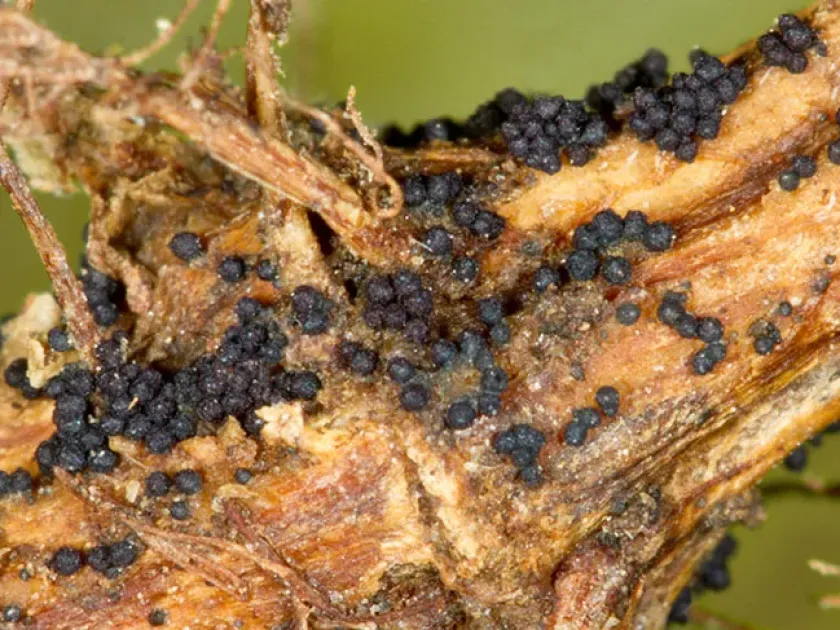
Description
How to identify
Gibberella pulicaris is an ascomycete fungus within the order Hypocreales, serving as the teleomorph (sexual stage) of the well-known plant pathogen Fusarium sambucinum. Its life cycle involves both sexual (ascospores) and asexual (conidia) spore production.
Systematically, this organism belongs to the kingdom Fungi, phylum Ascomycota. Its mycelium is capable of deep penetration into plant host tissues by secreting specialized enzymes that degrade structural cell walls.
In field conditions, the fungus is identified by the presence of a fluffy, white to pink or yellowish mycelial mat, characteristic of many fusarium-related pathogens. Laboratory diagnosis relies on the microscopic analysis of perithecia structures.
The pathogen is known for its high environmental plasticity and its ability to persist in soil organic matter for extended periods as chlamydospores or sclerotia, complicating standard crop rotation management.
Spore dispersal occurs primarily via airborne movement of ascospores and rain splashing of conidia, facilitating rapid infection spread across fields during the active growing season.
What it damages
This pathogen affects a wide range of agricultural crops, causing fusarium root rots, stem rots, maize ear rot, and potato dry rot. Susceptible crops include wheat, barley, maize, potatoes, and various vegetables.
The most significant damage is caused by dry rot in stored potatoes, which can destroy a large portion of the yield within months. The infection typically enters through mechanical injuries on the tuber surface.
In cereal crops, the fungus causes fusarium head blight, leading to shriveled grains, reduced seed germination rates, and a substantial decrease in marketable yield quality.
In addition to direct tissue destruction, the fungus produces mycotoxins, such as trichothecenes, which pose significant health risks to humans and livestock if consumed in contaminated products.
Pathogen activity also leads to poor seedling emergence, causing gaps in fields that often require costly reseeding operations.
Signs of infestation
The primary symptom on potatoes consists of sunken, dark lesions on the tuber surface, which eventually lead to wrinkled skin. Beneath these spots, the tissue becomes dry, powdery, and friable.
On cereal stems and roots, symptoms appear as browning, necrotic lesions, and the development of visible sporulation mats, particularly in the lower nodes. Plants often wilt and die prematurely.
When infecting maize ears, the fungus produces a dense, pinkish mycelial mat that gradually colonizes the kernels, destroying their integrity and lowering the quality of the seed stock.
Under high-humidity conditions, the characteristic spore pads or mats become highly visible, changing color depending on the developmental stage of the fungus.
Symptoms are often accompanied by an unpleasant odor if secondary bacterial infections colonize the primary fungal wounds.
Control measures
The cornerstone of control is the use of resistant crop varieties and strict crop rotation schemes that avoid planting susceptible cereals or potatoes in consecutive years. A 3-4 year interval is generally recommended.
Systemic fungicide seed treatment is critical for protecting seedlings from soil-borne inoculum during the early establishment phase.
Strict adherence to harvesting and storage protocols is essential: minimizing mechanical impact during harvest and ensuring cool, dry conditions in warehouses to inhibit pathogen spread.
Effective management of crop residues and deep plowing practices significantly reduce the inoculum load in the soil, preventing the long-term buildup of the pathogen.
- Application of fungicides at the anthesis stage to protect cereal spikes.
- Rigorous culling of diseased planting material before storage.
- Maintaining proper ventilation and temperature monitoring in storage facilities.
Causes diseases · 1
Discussion
No discussions yet — be the first.