
Gibberella intermedia
Gibberella intermedia
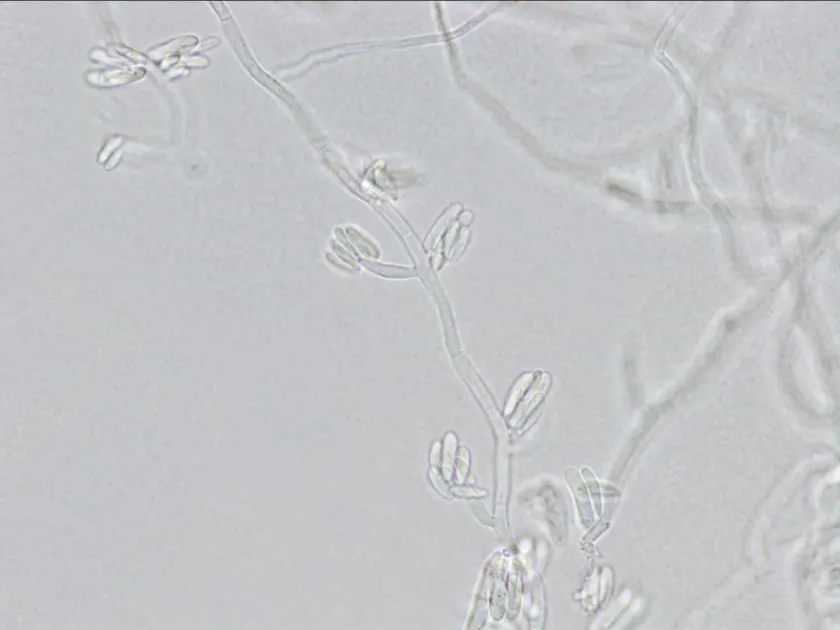
Description
How to identify
Gibberella intermedia is an ascomycete fungus that serves as the teleomorph (sexual stage) for several species within the Fusarium genus. It belongs to the order Hypocreales and is widely recognized as a significant agricultural pathogen.
The fungus is characterized by the formation of dark purple to black perithecia, which serve as the fruiting bodies found on crop debris. Within these structures, ascospores are produced and released, initiating primary infections in spring.
It acts as a hemibiotroph, capable of colonizing living host tissue while also surviving as a saprotroph on dead plant material. This dual lifestyle allows it to persist in the soil for several seasons, even in the absence of a host crop.
The genetic variability of Gibberella intermedia allows it to adapt to various environmental conditions, making it a persistent challenge for modern agriculture. It is closely related to other Fusarium species that cause root and stalk rots.
Identification often requires microscopic examination of spores or molecular methods, as the asexual stages (conidia) of associated Fusarium species are morphologically similar across many different taxa.
What it damages
This pathogen causes severe diseases in a wide range of crops, most notably maize (corn) and small grains like wheat and barley. It affects multiple parts of the plant, including roots, stems, and the grain itself.
In maize, it is a primary agent of ear and stalk rot. The infection often starts at the ear tip or through wounds created by insects, leading to the decay of kernels and the weakening of the entire stalk structure.
Small grains suffer from Fusarium head blight, which causes shriveled, discolored grains with low germination rates. This not only reduces yield but also contaminates the harvest with toxic metabolites like fumonisins.
Root rot caused by Gibberella intermedia results in early wilting, stunted growth, and a diminished ability of the plant to uptake nutrients and water. This often leads to premature plant death before harvest.
The accumulation of this pathogen in crop fields reduces the overall economic value of the produce and poses significant safety risks for both human and animal consumption due to mycotoxin contamination.
When it appears
Primary infection typically occurs in early spring. As temperatures rise and humidity increases, ascospores are ejected from the perithecia on overwintered plant residues and spread by wind and splashing rain.
The most critical window for infection is during the flowering (silking) stage of crops. High moisture levels on the plant surfaces during this time facilitate spore germination and fungal colonization.
During the summer, the fungus produces large numbers of conidia, which spread secondary infections to neighboring plants. Frequent rainfall and warm, humid weather are the primary catalysts for disease spread during this period.
As the season ends and the crop matures, the fungus shifts its focus to survival. It colonizes the remaining stubble, forming new perithecia that will endure the cold winter months until the cycle restarts.
The severity of outbreaks is highly dependent on weather patterns. Extended periods of drought can significantly limit the fungus's ability to infect, whereas humid conditions promote rapid disease development.
Signs of infestation
The hallmark sign of infection is the presence of fungal mycelium, often appearing as a white or pinkish growth on the affected plant parts. This is most visible on the ears of corn or the heads of wheat.
- Pinkish or white mold covering the kernels of maize ears.
- Discoloration and rotting of the inner stem tissue (pith).
- Premature yellowing and wilting of leaves throughout the plant.
- Poorly developed, shriveled, or bleached grain kernels.
- Darkened, decayed root systems that are easily pulled from the soil.
When stems are split, the internal pith often shows signs of disintegration, browning, or a powdery appearance, indicating heavy colonization by the fungus.
In wheat, infected spikelets often appear bleached compared to the healthy green parts of the spike. Over time, these areas may develop the characteristic pinkish mold growth.
Field diagnosis involves observing these symptoms in patches throughout the field, often following wet weather events, though laboratory confirmation is recommended for accurate disease identification.
Control measures
Effective management requires an integrated approach that focuses on reducing the inoculum level in the field. Crop rotation is essential to break the infection cycle of the fungus.
Tillage practices that incorporate crop residues into the soil help speed up decomposition, making it difficult for the fungus to persist from one season to the next.
Seed treatment with systemic fungicides is a standard preventive measure that protects seedlings from soil-borne infections during the critical early growth stages.
Foliar fungicide applications during flowering can significantly reduce the risk of head blight or ear rot, particularly in years with high rainfall, though timing is crucial for optimal results.
Finally, using resistant or tolerant crop hybrids provides a durable defense. Combining these genetic traits with balanced fertilization programs helps plants develop the physiological resilience needed to withstand pathogen attacks.
Causes diseases · 1
Discussion
No discussions yet — be the first.