
Fusarium avenaceum
Fusisporium avenaceum
Description
How to identify
Fusarium avenaceum is a fungal pathogen belonging to the kingdom Fungi and the genus Fusarium. It is a well-known causal agent of various diseases in plants, characterized by its ability to produce microconidia, macroconidia, and chlamydospores that aid in its survival.
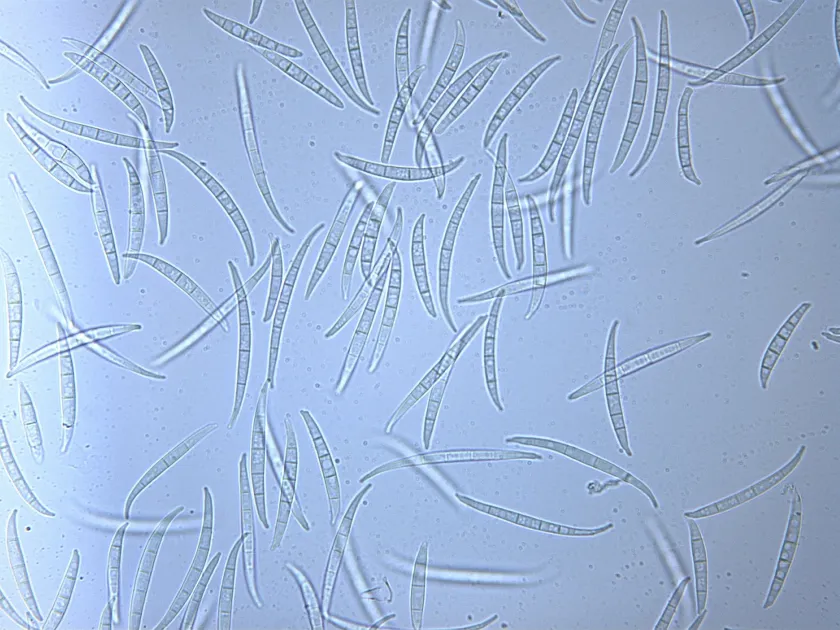
The mycelium of the fungus typically exhibits colors ranging from white to pale pink or carmine red. Morphologically, it is identified by its sickle-shaped, multi-septate macroconidia, which are commonly observed under laboratory conditions using microscopy.
The pathogen is highly versatile, acting as a facultative parasite. It can survive in the soil as a saprotroph on organic debris, allowing it to remain viable in agricultural fields for several years.
Laboratory diagnosis involves culturing the pathogen on specific media, where it produces characteristic colony patterns. Genetic analysis can also be used for precise species-level identification within the Fusarium complex.
The fungus produces various secondary metabolites, including mycotoxins, which can damage host tissues and interfere with the normal physiological functions of the infected plants.
What it damages
Fusarium avenaceum affects a wide range of agricultural crops, including all major cereals such as wheat, barley, oats, and rye. It also frequently infects corn, potatoes, and various legumes.
The primary damage is caused by seedling blight and root rot, which lead to significant stand loss. Infected plants may show poor germination, stunted growth, and a high mortality rate shortly after emergence.
In older plants, the fungus attacks the stem bases and spikes, interfering with nutrient and water transport. This results in premature wilting and decreased grain fill, which drastically reduces total crop yield.
A significant consequence of infection is the contamination of grain with harmful mycotoxins. These toxins pose serious risks to human and animal health, often making the grain unfit for food and feed processing.
The disease contributes to lodging and uneven maturation of crops, leading to increased logistical challenges and high harvest losses for farmers.
When it appears
Infection cycles typically begin in early spring when soil temperatures reach 8–10 degrees Celsius. Initial inoculum originates from infested seeds or crop residues surviving in the soil.
Environmental conditions characterized by high humidity and moderate temperatures during the growing season promote the rapid spread of the fungus. Rain droplets help disperse spores from the soil or infected lower leaves to the healthy spike tissues.
Throughout the summer, the pathogen spreads through successive cycles of conidial production. This contributes to the epiphytotic development of the disease, especially in areas with frequent rainfall.
The flowering stage (anthesis) is the most critical period for spike infection. During this time, the pathogen can penetrate the grain and establish itself firmly within the spikelet.
After harvest, the fungus enters a dormant state in the soil, utilizing its chlamydospores to survive until the next season. It thrives on crop residues left behind in the field.
Signs of infestation
Early symptoms include darkening and rotting of the roots and the basal part of the stem. As the disease progresses, the base of the plant may become brittle and covered in a grayish or pinkish fungal mycelium.
Spike infection is identified by the presence of a pinkish-orange fungal mat on the spikelets. Infected spikes often appear prematurely bleached and sterile compared to healthy ones.
Internal examination of the straw often reveals necrotic, brown tissues, indicating deep colonization by the fungus. The stems eventually lose their integrity and may collapse.
Grains harvested from infected fields appear shriveled, discolored, and often carry fungal mycelium on the surface. These grains have lower test weights and reduced milling quality.
- root and crown rot symptoms;
- blighted seedlings;
- pink spore masses on spikes;
- shriveled, discolored grains;
- premature plant senescence.
Control measures
The primary strategy for control is the use of high-quality, certified seeds. Treating seeds with systemic fungicides before planting is essential to protect young seedlings from early-stage infection.
Effective crop rotation is crucial to break the pathogen's life cycle. Avoiding susceptible crops in the rotation helps reduce the accumulation of fungal inoculum in the field over time.
Proper soil management, including deep tillage to bury crop residues, helps speed up the decomposition process and reduces the survival rate of the fungus in the field.
Foliar application of fungicides during the growing season can be effective, provided it is timed correctly during the booting and flowering stages when infection risk is highest.
Balanced fertilization, particularly maintaining appropriate phosphorus and potassium levels, helps strengthen plant cell walls. Farmers should also ensure proper drying and storage of grain to prevent post-harvest growth of the fungus.
Causes diseases · 1
Discussion
No discussions yet — be the first.