
Fusarium verticillioides
Fusarium verticillioides
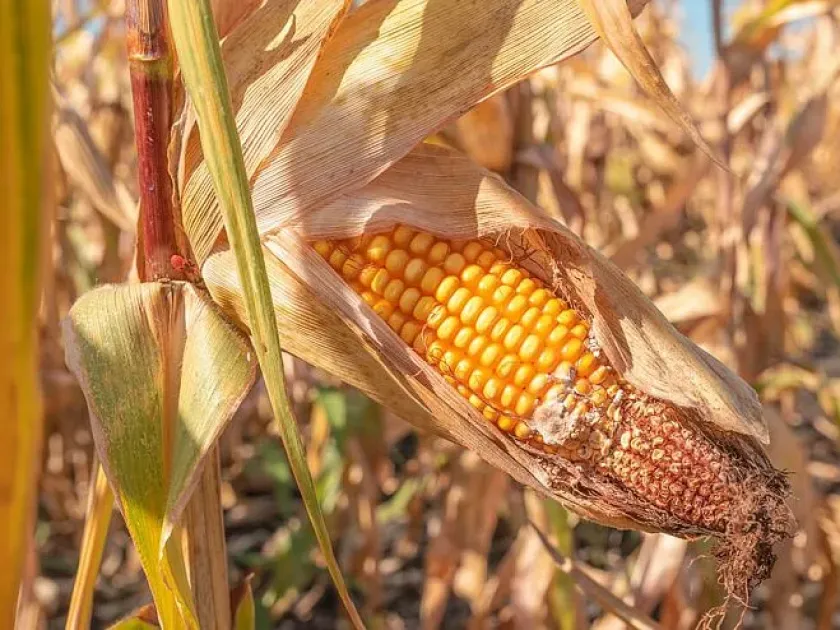
Description
How to identify
Fusarium verticillioides (formerly known as Fusarium moniliforme) is a filamentous fungus belonging to the kingdom Fungi and the genus Fusarium. It is one of the most economically significant pathogens affecting maize worldwide.
The pathogen persists as mycelium, microconidia, or chlamydospores in crop debris, soil, and seeds. It is highly adaptive, allowing it to survive various environmental conditions across different agricultural regions.
Taxonomically, it belongs to the Fusarium fujikuroi species complex. A critical aspect of this fungus is its ability to produce secondary metabolites known as fumonisins, which are potent mycotoxins harmful to both humans and livestock.
Its life cycle involves the production of different spore types, including chlamydospores, which enable the fungus to remain dormant in the soil for several years until favorable conditions reappear.
As a facultative parasite, the fungus can thrive as a saprophyte on dead organic matter or act as a pathogen, infecting living maize tissues when the plant is under physiological or environmental stress.
What it damages
Maize (corn) is the primary host of this pathogen. The fungus infects the roots, stalks, and ears of the plant, leading to substantial yield losses and degradation of grain quality.
Infection often occurs systemically: the fungus may penetrate the roots from the soil or enter the ears through silk channels, often facilitated by insect damage from pests like the European corn borer.
While maize is the most affected crop, the pathogen has been identified on sorghum, rice, and other cereals, which poses a significant challenge for crop rotation strategies in intensive agricultural zones.
The damage is two-fold: direct reduction in grain weight and yield, and the contamination of grain with mycotoxins. This renders the crop unsuitable for food or feed processing, leading to severe economic impacts.
Reduced transport of water and nutrients within the plant is a major symptom of stem infection, leading to weakened stalks and decreased filling of the ears, which ultimately limits total harvest output.
When it appears
Active development of the infection peaks during the reproductive stage of the crop, especially during silking and grain filling. High humidity and warm temperatures significantly accelerate the spread of the fungus.
Temperatures ranging from +20°C to +30°C are optimal for fungal growth. Extended rainfall during the pollination phase increases the risk of ear infection as spores are easily transported to the silk.
Initial soil-borne infection often begins at germination. Cold and wet conditions during planting can lead to poor stand establishment due to root rot caused by this pathogen.
Insect activity is a major driver of seasonal distribution. By damaging plant tissues, pests provide the entry points necessary for the fungus to establish itself deep within the ear or stalk tissue.
Late harvesting under damp conditions significantly increases the risk of post-harvest rot. If the grain remains moist, the fungus continues to proliferate, further increasing mycotoxin levels in the stored crop.
Signs of infestation
The most characteristic sign of the disease is the presence of white to pinkish mycelial growth on the kernels. This infection typically spreads from the tip of the ear downwards.
- Darkening and rotting of seedling roots.
- Reddish or brownish discoloration of internal stem tissues.
- Visible pink or salmon-colored fungal mats on the ear.
- Deformed ears and premature drying of the husks.
- Thin or stunted stands caused by seedling blight.
When the stalk is infected, the internal pith tissue decays, causing the plant to lose structural integrity. This often results in lodging, making mechanical harvesting difficult or impossible.
Infected kernels are often shriveled and lightweight, lacking the luster of healthy grain. Under magnification, the white to pinkish surface growth reveals abundant spores, which are typically sickle-shaped.
Control measures
Crop rotation is a fundamental management practice. Avoiding the continuous planting of maize in the same field helps break the cycle of pathogen accumulation in the soil.
The use of genetically resistant maize hybrids is the most effective long-term strategy for managing Fusarium ear rot and minimizing the risk of mycotoxin contamination.
Proper tillage and the incorporation of crop residues into the soil promote the decomposition of infected debris, which eliminates the primary survival site for the fungus during the winter.
Seed treatment with high-quality fungicides provides essential protection for young seedlings, ensuring better plant vigor and reducing the risk of early-season soil-borne infections.
Integrated Pest Management (IPM) to control insects, particularly those that feed on stalks and ears, is essential to limit the number of infection sites created by pest damage.
Causes diseases · 3
Discussion
No discussions yet — be the first.