
Fusarium sporotrichioides
Fusarium sporotrichioides
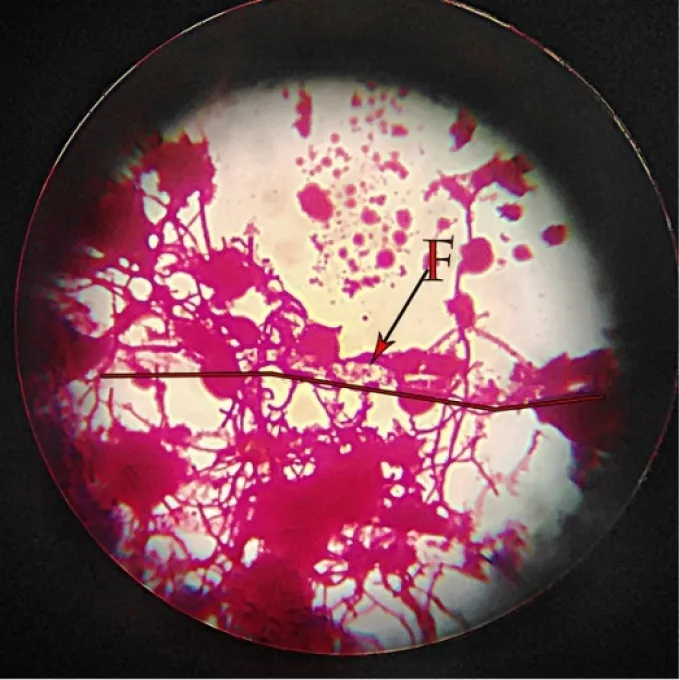
Description
How to identify
Fusarium sporotrichioides is a fungal pathogen belonging to the genus Fusarium. It is a well-known producer of trichothecene mycotoxins, including T-2 toxin, which poses a significant threat to food safety and animal health.
The fungus produces various types of spores, including microconidia and macroconidia, which facilitate its rapid spread in the field. Its survival is ensured by the formation of chlamydospores, allowing the pathogen to persist in crop debris and soil for extended periods.
What it damages
This pathogen primarily affects small-grain cereals such as wheat, barley, oats, and rye. It also frequently colonizes maize, causing ear rot and contamination of grain with harmful mycotoxins.
Damage ranges from seedling blight and root rot, which reduce plant density, to severe infections of the grain head that compromise both yield quantity and quality.
When it appears
The fungus thrives in cool to moderate temperatures with high humidity. Favorable conditions for infection usually occur during the flowering stages of cereal crops, when moisture promotes spore germination.
It acts as a facultative parasite, meaning it can survive on decaying organic matter and transition to living tissues when environmental conditions are suitable for infection.
Signs of infestation
Signs of infection include discolored roots, stunting of seedlings, and the characteristic presence of white to pinkish fungal mycelium on the spikes or kernels.
- Whitening or blighting of spikelets.
- Pink or white mold growth on infected grain heads.
- Shriveled, discolored, or lightweight kernels.
- Reduced plant vigor and premature senescence.
Control measures
Integrated management is essential, starting with crop rotation to break the infection cycle and thorough incorporation of crop residues into the soil to accelerate decomposition.
Effective control involves using certified fungicide-treated seeds and applying foliar fungicides during the heading phase if high humidity levels are expected to persist.
Causes diseases · 2
Discussion
No discussions yet — be the first.