
Epicoccum
Epicoccum
Epicoccum is a genus of fungi belonging to the order Pleosporales and the class Dothideomycetes. The most common species associated with plant pathology is Epicoccum nigrum (often referred to as Epicoccum purpurascens).
What the section contains
Epicoccum
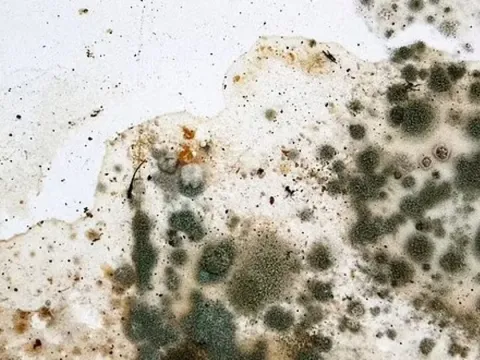
The fungus is characterized by rapid colony growth. Initially, colonies appear orange or yellow due to the production of pigments, later turning dark brown or black as they mature and form sporodochia.
As a facultative parasite and saprotroph, it exists commonly in soil and on decaying plant debris. It is extremely versatile and can adapt to various environmental conditions.
Microscopic examination typically reveals multicelled, dark, and globose conidia, which are a definitive feature for identifying this pathogen in laboratory conditions.
Although it is often considered a secondary pathogen, its ability to produce various metabolites makes it significant in both field and post-harvest plant pathology.
This fungus affects a wide array of crops, including cereals (wheat, barley), maize, soybeans, sunflowers, and numerous vegetable and fruit crops.
It often acts as a secondary invader, colonizing plant tissues that have already been weakened by environmental stress or primary infections, thereby accelerating tissue necrosis.
Seed health is significantly compromised by Epicoccum infection, leading to poor germination rates and the "black germ" symptom, which renders seeds unsuitable for sowing.
In fruit and vegetable cultivation, the pathogen causes distinct spotting, which can rapidly progress into decay, leading to significant post-harvest losses.
The damage is particularly noticeable in years with high humidity during the maturation phase, where the fungus exploits the vulnerable state of the crop.
Epicoccum activity peaks during the second half of the growing season, particularly when temperatures are moderate and humidity levels remain consistently high.
The pathogen spreads primarily via wind-borne spores, which can travel significant distances to infect healthy crops when weather conditions are favorable.
Infection cycles are closely tied to the availability of moisture on plant surfaces, which is required for spore germination and colonization of host tissues.
The fungus overwinters in the form of mycelium or dormant spores within the soil and on crop residues, acting as a permanent source of inoculum for the following season.
Under controlled environments like greenhouses, the fungus can maintain a year-round cycle if humidity and ventilation management are not strictly enforced.
The primary symptom is the formation of necrotic spots, which are often irregular in shape and frequently surrounded by a yellow, chlorotic halo.
Affected tissues, including leaves, stems, and ears, often develop a dense, pigmented coating ranging from bright orange to dark brown or black.
On grain crops, the most diagnostic sign is the darkening of the embryo area of the kernel, often referred to as "black germ" or "black point".
In advanced stages, tissue death occurs, leading to premature wilting and weakening of stalks, which can contribute to lodging in cereals.
- Irregular necrotic spots on leaves with yellow halos.
- Characteristic orange to black sporulation on the plant surface.
- Blackening of the germ or embryo on seeds.
- Rotting of fruits and vegetables in storage.
Effective management begins with cultural practices, such as the deep burial of crop residues and the implementation of diverse crop rotations to break the infection cycle.
Using certified, fungicide-treated seeds is essential to ensure a healthy start for seedlings and to minimize the impact of soil-borne inoculum.
Fungicide application during the growing season is effective if timed correctly, particularly during wet periods when the risk of fungal spread is highest.
Proper post-harvest management, including rapid drying and storage under low-humidity conditions, is critical to preventing mold development on grain and produce.
Selecting resistant cultivars and maintaining overall plant vigor through optimal agronomic practices remain the primary long-term defense against Epicoccum.