
Endothia gyrosa
Endothia gyrosa
Description
How to identify
Endothia gyrosa is an ascomycete fungus belonging to the Cryphonectriaceae family. It is a well-known phytopathogen responsible for causing various bark necrosis and canker diseases in a wide range of broad-leaved trees.
The fungus develops a complex mycelium that colonizes the host's bark and cambium layers. Its biological cycle includes both anamorph (asexual) and teleomorph (sexual) stages, allowing for high reproduction rates and effective dispersal of spores in forested environments.
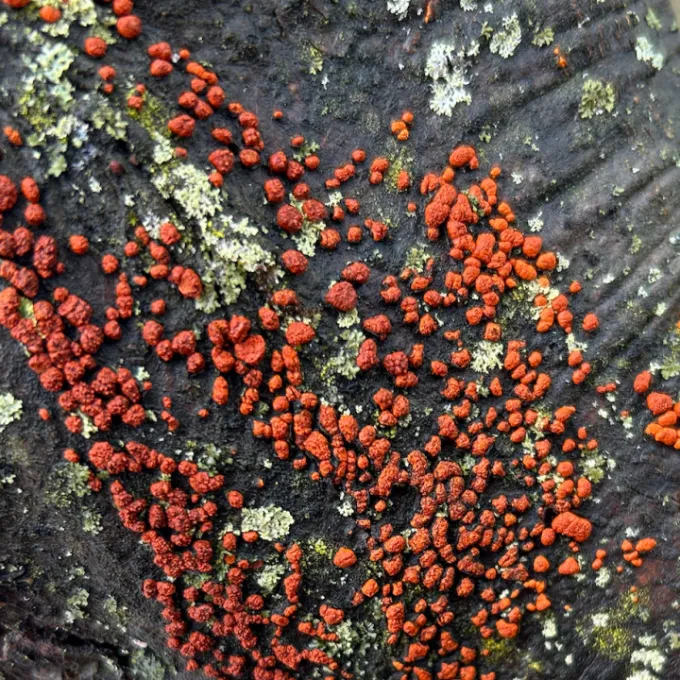
One of the most characteristic features of the pathogen is the formation of orange or reddish-brown stromata. These structures erupt through the bark as the fungus reproduces, making the infection visible to the naked eye during inspection.
Classified within the genus Endothia, this fungus acts primarily as a necrotrophic parasite. It aggressively attacks the internal tissues of the tree, disrupting the vascular system and preventing the efficient transport of water and nutrients.
The development of Endothia gyrosa is highly dependent on environmental conditions, particularly humidity and temperature. Favorable conditions often occur during moist seasons, which promote the massive discharge of conidia or ascospores to infect new hosts.
What it damages
The primary hosts for Endothia gyrosa include various species of Quercus (oak). However, the pathogen also affects other broad-leaved species such as chestnuts, beeches, and eucalypts in certain geographical regions.
The pathogen causes cankers that penetrate deep into the cambium and xylem. This destruction restricts the tree's ability to grow, leading to the gradual dieback of twigs, branches, or eventually the entire tree if the girdling effect is complete.
Trees that are under stress—due to drought, physical damage, nutrient deficiency, or insect infestation—are significantly more susceptible to infection. In healthy, vigorous trees, the fungus may remain dormant as an endophyte for long periods.
In nurseries and forest plantations, Endothia gyrosa can cause substantial losses by killing young saplings. This necessitates strict quarantine and sanitation procedures to ensure the quality and safety of planting stock.
Beyond ecological damage, the economic impact is significant in the timber industry. The necrotic lesions degrade the quality of the wood, making it unusable for high-value applications or furniture production.
Signs of infestation
Early symptoms of infection appear as localized discolored or sunken areas on the bark. As the fungus consumes the underlying tissue, these areas often crack and reveal the necrotic, brown wood beneath the outer layer of bark.
The most reliable sign for diagnosis is the presence of orange-colored pustules (stromata) breaking through the bark surface. Under humid conditions, these pustules can exude spore masses that appear as sticky, yellow-orange tendrils.
The crown of the infected tree often exhibits signs of chlorosis or wilting, which can be misidentified as water stress. A closer inspection of the trunk is necessary to distinguish these symptoms from other environmental problems.
When the bark is removed in the infected zone, a distinct dark brown necrosis can be observed in the inner bark and cambium. The tree may attempt to defend itself by forming callus tissue, but the pathogen often overwhelms these efforts in weakened specimens.
Laboratory confirmation is often recommended for accurate identification, as symptoms may overlap with other bark-inhabiting fungi that occupy similar niches on host trees.
Control measures
Sanitation is the cornerstone of managing Endothia gyrosa. All infected trees or severely diseased branches should be promptly pruned or removed and destroyed by burning to minimize the inoculum load in the area.
Improving tree vigor through proper irrigation and balanced fertilization can significantly increase a tree's resistance to infection. Avoiding mechanical injuries to the trunks is also vital to prevent entry points for the pathogen.
Pruning tools must be thoroughly disinfected after use on symptomatic trees to prevent the mechanical transmission of spores between hosts. Large pruning wounds should be treated with appropriate sealants or fungicides.
Chemical control can be used in high-value settings like parks or ornamental gardens by applying fungicides to the affected areas. However, this method is less practical for large-scale forest management.
- Monitor tree health regularly for early signs.
- Perform timely removal of dead and diseased branches.
- Sanitize tools with alcohol or bleach solutions.
- Ensure adequate tree spacing to improve air circulation.
Causes diseases · 1
Discussion
No discussions yet — be the first.