
Elm Dothidella
Dothidella ulmi
Description
How to identify
Dothidella ulmi is a specific fungal pathogen belonging to the Ascomycota division. It is recognized as the causative agent of a particular type of leaf spot disease that exclusively affects elm trees (genus Ulmus).
The fungus is highly specialized, having adapted its lifecycle to the biology of elm trees. It alternates between a parasitic stage on living foliage and a saprotrophic stage on fallen leaves, where it completes its development.
Identification is based on observing specific morphological structures. The fungus produces small, dark stromatic tissues that rupture the leaf epidermis, revealing the reproductive organs (apothecia) where spores are generated.
This pathogen is widely distributed in regions with temperate climates where elms are common. Its survival strategies are tightly linked to the presence of Ulmus litter, which acts as the primary reservoir for the fungus during the winter months.
Taxonomically, it sits within the order Dothideales. Its microscopic features are distinct enough for specialists to differentiate it from other common leaf-spotting fungi found on woody plants in forest ecosystems.
What it damages
The primary impact of Dothidella ulmi is on the foliage of the elm tree. By colonizing the leaf tissue, the fungus causes localized necrosis, which disrupts the normal photosynthetic activity of the plant.
The overall damage manifests as weakened tree vigor. Significant leaf loss before the natural autumn senescence limits the tree's ability to store energy for the coming winter, making it susceptible to other biotic and abiotic stresses.
While the disease rarely causes the immediate death of mature trees, it significantly degrades the health of the canopy. In young plantations or nurseries, the infection can reduce the growth rate of seedlings and impact their market quality.
In urban settings, the aesthetic value of elm-lined streets and parks is compromised by premature defoliation and the unsightly black spots that appear on the leaves during the summer.
Cumulative damage over several growing seasons can lead to the thinning of the canopy and may leave the tree vulnerable to secondary attacks by wood-boring insects or other opportunistic pathogens.
When it appears
The infection cycle begins in the spring, triggered by the maturation of ascospores on the previous year's fallen leaves. These spores are dispersed by wind and rain onto the emerging foliage of the host tree.
The active infection phase occurs during the summer months. The fungus colonizes the leaf tissue, growing internally within the host's foliage until visual symptoms start to appear in mid-to-late summer.
Peak symptom development is typically observed in August and September. This is when the characteristic black stromatic dots become most apparent on the leaf surface, indicating the fungus is preparing for its overwintering phase.
As autumn progresses and leaves fall, the fungus transitions into a saprotrophic mode. It continues to develop within the decaying leaf material, effectively surviving the winter and preparing to release spores again the following spring.
High humidity and moderate temperatures throughout the growing season are the primary environmental drivers that favor the spread and germination of spores, making wet summers particularly high-risk periods for elm stands.
Signs of infestation
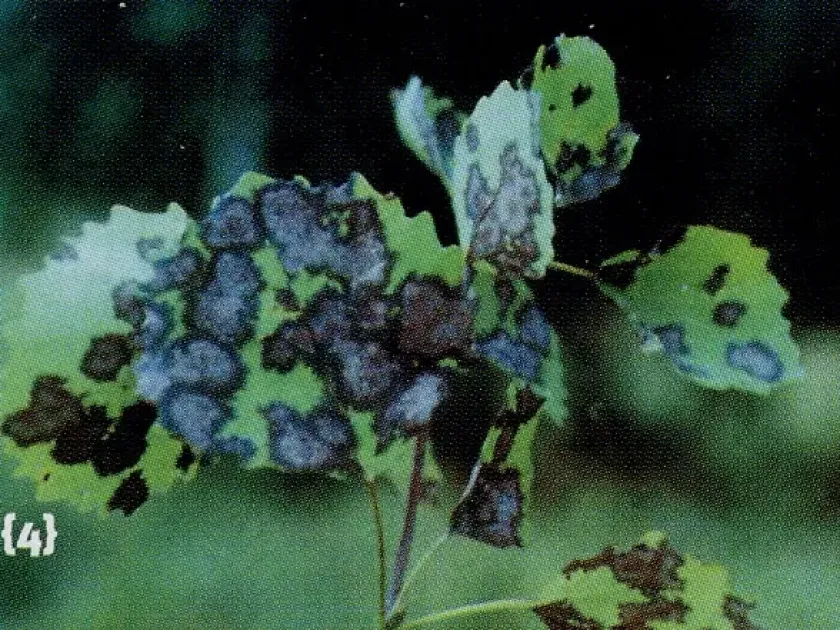
The initial signs of infection include the appearance of small, yellow to light brown spots on the leaves. Over time, these spots darken significantly, turning dark brown or black.
The most diagnostic feature of Dothidella ulmi is the presence of numerous small, black, raised structures called stromata on the spots. These appear as tiny pimple-like bumps on the leaf surface.
Severely affected leaves may show signs of yellowing (chlorosis) around the necrotic spots and often drop prematurely. This results in premature defoliation of the lower or inner branches of the tree.
- Yellowish spots on leaves starting in mid-summer.
- Distinctive black stromatic dots (fruiting bodies) within the spots.
- Leaf tissue necrosis and browning.
- Premature leaf abscission and canopy thinning.
Microscopic inspection of the leaf surface usually confirms the presence of these fungal structures, distinguishing this infection from other common leaf-spot diseases caused by different species.
Control measures
The most important control measure is strict sanitation. Since the pathogen overwinters in fallen leaves, collecting and burning or deeply burying this leaf litter significantly reduces the inoculum source for the following season.
In nursery or ornamental garden settings, protective fungicide applications can be effective. Copper-based fungicides or systemic products registered for leaf spot control are generally recommended to protect new growth.
Timing is critical: applications should start at the bud-break stage to prevent initial spore colonization. Additional sprays may be required if the season is particularly wet and disease pressure is high.
Cultural practices that improve air circulation within the canopy, such as proper pruning, help reduce the localized humidity that the fungus requires for optimal development, thus acting as a preventative measure.
Ensuring trees are not subject to unnecessary physiological stress through proper irrigation and soil management improves their natural defenses, allowing them to better tolerate or resist minor fungal infections.
Causes diseases · 1
Discussion
No discussions yet — be the first.