
Ringspot
Circular areas
Description
How to identify
Ringspot disease is a widespread condition caused primarily by various viruses, such as those belonging to the Nepovirus or Tobravirus genera. These pathogens act as systemic parasites, invading the vascular system of the host plant.
The transmission of the disease primarily occurs via vectors, including aphids, whiteflies, thrips, and soil-borne nematodes. Additionally, mechanical transmission through contaminated tools or contact between healthy and infected plants is a significant risk factor.
Identifying the disease in the field is based on characteristic visual symptoms. However, since similar circular patterns can occasionally be caused by fungal pathogens, laboratory diagnostics like ELISA or PCR are often required for definitive identification.
The biological cycle involves the virus hijacking the plant's cellular machinery to replicate. This process gradually depletes the host's energy, disrupts nutrient transport, and leads to the visible symptoms that characterize the infection.
Environmental factors, such as high humidity and optimal temperatures for vector activity, play a crucial role in the development of epiphytotics, allowing the infection to spread rapidly throughout a field.
What it damages
Ringspot affects a vast range of crops, including high-value vegetables like tomatoes, peppers, and cucumbers, as well as various ornamental plants, tobacco, and orchard trees.
The primary impact of the infection is the systemic disruption of plant physiology. Infected plants exhibit stunted growth, reduced photosynthetic efficiency, and significant deformation of foliage, which weakens the plant's overall health.
Economic damage is substantial, particularly due to the loss of marketable quality. Fruit with ringspot patterns is often unsalable, and in severe cases, the entire crop yield can be significantly reduced, leading to massive financial losses for growers.
In perennial crops, the virus can persist for years, acting as a constant reservoir of infection. This chronic stress lowers the plant's resilience to other environmental stressors, such as drought or cold, and shortens the plant's lifespan.
Effective management is essential to prevent widespread outbreaks, as the virus can devastate productivity and require long-term quarantine measures for infected greenhouse or field operations.
Signs of infestation
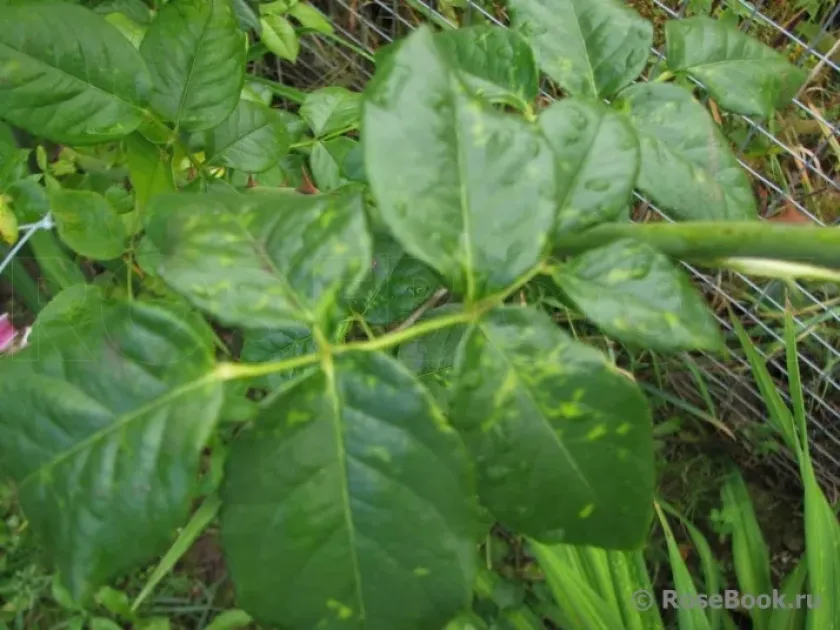
The most distinctive sign of ringspot is the appearance of chlorotic or necrotic circular patterns on the leaves. These rings often feature concentric zones and can vary in color from pale yellow to dark brown.
Fruit symptoms are equally recognizable, presenting as depressed rings or mottled patterns on the skin. In many species, this is accompanied by irregular ripening and internal tissue discoloration.
Stunted growth is a hallmark of the disease. Infected plants are frequently smaller than their healthy counterparts, often displaying shortened internodes and a bushy appearance due to the restricted development of new leaves.
Leaf curling and mosaic-like chlorosis are often observed in the early stages of the disease. These symptoms indicate that the virus is rapidly moving through the plant's vascular system, affecting its growth hormones.
- Concentric circular patterns on foliage.
- Depressed rings and mottled spots on fruit.
- Stunted growth and shortened internodes.
- Leaf distortion, curling, and chlorosis.
- Tissue necrosis at the center of rings.
Control measures
Management of ringspot is strictly preventative. The use of certified, virus-free seeds and planting stock is the most important step in protecting crops from initial infection.
Integrated Pest Management (IPM) is crucial. By controlling vector populations, such as aphids and thrips through timely insecticide applications, farmers can significantly reduce the rate of viral spread.
Sanitation is key to preventing mechanical transmission. Regular cleaning and disinfection of pruning tools and equipment between rows and individual plants help to minimize the risk of moving the pathogen.
Weed control is essential, as many common field weeds serve as alternative hosts for these viruses, allowing them to survive and propagate throughout the off-season.
Once a plant is infected, there is no cure. The standard procedure is the immediate removal and destruction of symptomatic plants, ideally by burning, to prevent the pathogen from spreading further in the field or greenhouse.
Causes diseases · 1
Discussion
No discussions yet — be the first.