
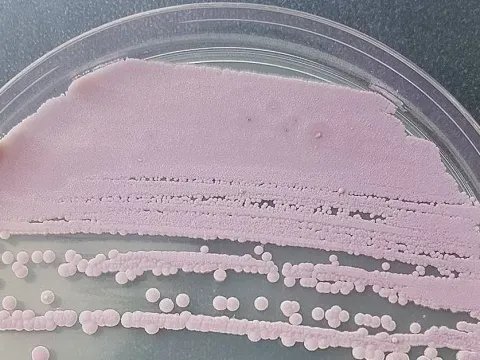
Candida krusei
Candida krusei
Candida krusei (syn. Pichia kudriavzevii) is a yeast-like fungus belonging to the Saccharomycetales order. In agronomy, it is identified as an opportunistic pathogen that can severely impact the quality of agricultural produce.
What the section contains
Candida krusei
The organism is characterized by unicellular growth with the ability to form pseudohyphae. This morphological plasticity allows it to colonize the surface and tissues of various host plants effectively.
Candida krusei is recognized for its high metabolic activity, particularly its ability to ferment sugars. This metabolic pathway is a primary factor in the damage it causes to fleshy fruits and vegetable tissues.
Taxonomically, it belongs to the Ascomycota division. Unlike traditional filamentous fungi, it grows as a yeast, which often makes its presence on plant surfaces difficult to detect until advanced decay begins.
Identification typically involves cultivation on specific nutrient media or molecular diagnostic methods, as it shares common visual features with other saprophytic and pathogenic yeast species.
The primary damage caused by Candida krusei is post-harvest rot. It targets a wide array of crops, including grapes, apples, berries, and tomatoes, leading to rapid tissue degradation.
The fungus thrives on tissues rich in carbohydrates. Once it enters the plant through micro-wounds or skin ruptures, it breaks down cellular structures, resulting in a characteristic soft, wet rot.
Economic losses are significant during the storage and transit phases. The pathogen spreads quickly from infected fruits to healthy ones, potentially compromising entire batches of harvested produce.
By producing alcohols and acids through fermentation, the fungus alters the organoleptic properties of the produce, rendering it completely inedible and non-marketable.
It acts as a precursor to secondary infections, facilitating the entry of other pathogenic bacteria and fungi that further accelerate the decay of the host tissue.
Candida krusei development is highly dependent on environmental conditions, particularly humidity and temperature. It is most active during the late ripening stages of crops.
High moisture levels, such as those caused by prolonged rain, morning dew, or improper irrigation, create an ideal film for the germination and spread of yeast cells.
In greenhouses and storage facilities, the pathogen can persist year-round. An ambient temperature of 25–30°C promotes the fastest replication cycle of the fungus.
The fungus disperses through wind, rain splashes, and insect vectors that transport cells from plant to plant during the critical weeks before harvest.
While it can survive in the soil or on plant debris in a dormant state, its most aggressive pathogenic phase occurs when fruits reach maturity and skin integrity becomes compromised.
The earliest signs of infection include small, moist, depressed spots on the fruit surface. These spots are often barely visible but rapidly expand as the fungus consumes the underlying tissues.
A distinct sign of this pathogen is a sour or alcoholic smell emanating from the affected fruit. This is a direct consequence of the intensive fermentation process occurring within the tissue.
As the infection progresses, a creamy or whitish mass (the yeast colonies) may appear on the surface of the lesions, contrasting with the darkening, decaying skin of the fruit.
- Softening and darkening of fruit skin.
- Watery, sunken lesions on the epidermis.
- Strong fermented, yeasty odor.
- Rapid loss of fruit structural integrity.
- Quick spread of decay to adjacent produce in storage containers.
When examined closely, the affected area looks water-soaked and lacks the fuzzy, filamentous mold characteristic of other fungal pathogens.
Effective control of Candida krusei relies heavily on rigorous sanitation. Removing infected fruits from the field immediately and sanitizing all harvest containers are essential steps.
Maintaining optimal temperature and humidity in storage is the most effective way to inhibit fungal growth. Good ventilation helps keep the surface of the produce dry.
Integrated pest management is crucial, as insects and other pests often create the wounds necessary for Candida krusei to penetrate the plant tissues.
Biological control agents, particularly certain strains of beneficial bacteria like Bacillus subtilis, have shown promise in reducing the incidence of yeast-based decay on fruits.
Given the known resistance of Candida krusei to certain azole-based fungicides, growers should focus on harvest-time care and careful post-harvest handling to minimize produce trauma.