
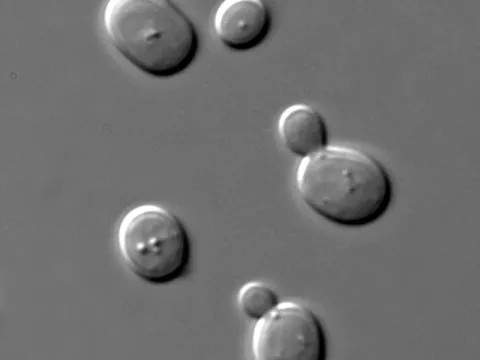
Candida stellata
Candida stellata
Candida stellata is a species of yeast-like fungi belonging to the Ascomycota division. While widely studied for its role in wine fermentation, it also acts as an opportunistic pathogen on various fruit crops.
What the section contains
Candida stellata
The organism is characterized by its unicellular structure and the ability to reproduce by budding. It is highly osmotolerant, allowing it to thrive in environments with high sugar concentrations found in ripening fruits.
Taxonomically, it is often referred to by the name Starmerella stellata in modern literature. Understanding this taxonomic nuance is essential for professional diagnostics and scientific research.
This yeast is primarily an epiphyte, living on the surface of plants, but it becomes pathogenic when the integrity of the plant tissue is compromised by physical damage or environmental stress.
Its biological cycle is intricately linked to the presence of vectors, particularly fruit-feeding insects that facilitate the transfer of cells across orchards and vineyards.
The primary hosts for Candida stellata include grapes, peaches, apples, and pears. The yeast utilizes the sugars within these fruits as a primary energy source for its metabolism.
The damage caused is twofold: it degrades the flavor profile of the fruit through fermentation and serves as a precursor for more aggressive secondary infections, such as grey mold.
In vineyards, infection by this yeast can lead to significant changes in grape juice chemistry, rendering the harvest unsuitable for high-quality production if not managed correctly.
Physical damage, such as hail, pest feeding, or mechanical injuries during cultivation, provides entry points for the yeast, leading to rapid tissue softening and rot.
Post-harvest losses are also significant, as the presence of these yeasts on the surface of stored fruits accelerates deterioration and spoilage in cold storage facilities.
The activity of Candida stellata peaks during the fruit maturation stage when sugar levels in the fruit tissues reach their maximum.
Warm and humid weather conditions are favorable for its spread. High relative humidity helps maintain the viability of the yeast cells on the surface of the fruit skin.
Insects like Drosophila species are the main drivers of seasonal distribution, effectively spreading the yeast from infected to healthy fruits throughout the ripening period.
During the winter, the pathogen survives in a dormant state within soil particles, plant debris, or crevices in the bark of trees and vine stalks.
The cycle is cyclical, with the intensity of the outbreak depending largely on the number of insect vectors and the frequency of rainfall during the final weeks before harvest.
The most prominent sign of an active Candida stellata presence is a distinct alcoholic or vinegary smell emanating from the fruit cluster or trees.
Visually, the affected fruits may develop a subtle, whitish, or translucent film on the surface, which is often accompanied by the formation of small gas bubbles.
Tissues in the affected areas undergo softening and color discoloration. The skin may appear sunken or wrinkled as the underlying tissue decomposes.
Sticky residues on the fruit surface are a common indicator of microbial activity, often attracting wasps and other insects that exacerbate the infection.
- Distinct fermentation or acidic odor.
- Softening and discoloration of fruit tissue.
- Visible yeast film on the fruit surface.
- Exudation of juices from microscopic skin fractures.
Effective control starts with strict sanitation in the orchard or vineyard. Removing dropped and damaged fruits is crucial to reducing the primary inoculum for the next season.
Integrated pest management (IPM) is essential to control insect vectors, such as fruit flies, which are the primary transporters of the yeast across the plantation.
Canopy management practices, such as pruning and thinning, are necessary to ensure proper airflow, which prevents the build-up of the humidity required for yeast multiplication.
Fungicide treatments, particularly those used for complex rot management, are generally effective at keeping Candida stellata populations below the economic damage threshold.
Proper post-harvest handling, including cooling and maintaining low humidity in storage, is the final line of defense to prevent mass spoilage during transport and sale.